


The question of whether Sheikh Hasina will be able to appeal her death sentence if she returns to Bangladesh has sparked differing legal interpretations, with Attorney General Md Ruhul Quddus Kazal citing the case of war crimes convict Abul Kalam Azad as an example of the consequences of missing the appeal deadline.
However, Azad’s lawyer, Imran A Siddique, has said the Appellate Division has yet to decide whether his client’s delayed appeal will be accepted or whether the delay will be condoned.
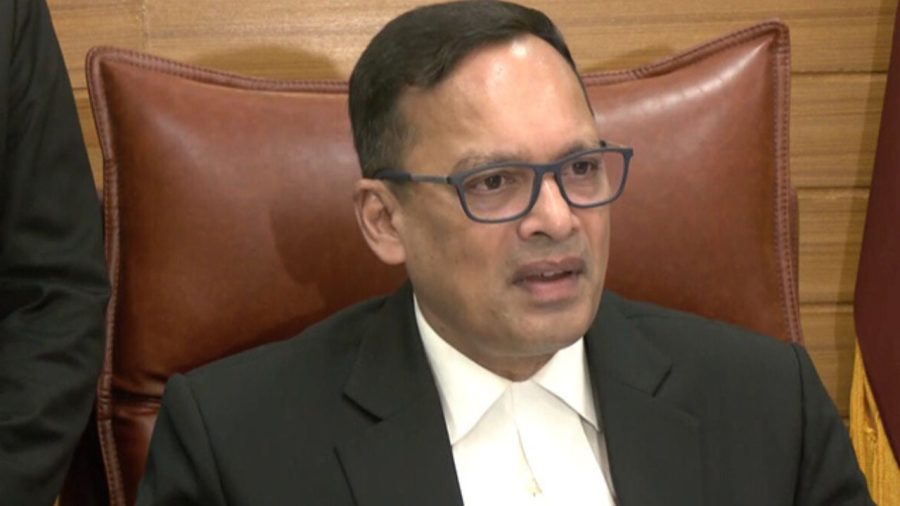
Speaking to journalists on Wednesday afternoon, the attorney general said Hasina, who has been sentenced to death, would have to surrender to the law if she returned to Bangladesh. However, her return would not automatically guarantee her the opportunity to appeal.
He pointed out that the International Crimes Tribunal Act sets a specific timeframe for filing appeals, adding that Azad’s case demonstrated the possible consequences of filing an appeal after the deadline.

Asked about the process of bringing Hasina back from India, Ruhul Quddus Kazal said the matter involved interstate relations.
He noted that the government, the state minister for foreign affairs and the chief prosecutor of the International Crimes Tribunal had already stated their positions on the issue. Statements by India’s foreign secretary had also been reported in the media.
He said the concerned parties had made their statements based on legal provisions and mutual diplomatic relations, leaving no scope for misinterpretation.




On how Hasina could return to Bangladesh, the attorney general declined to explain the process, saying he could only clarify the legal position.
“She is a convicted person, sentenced to death, and is currently outside Bangladesh. If she wishes to surrender herself to the law, she may return. But she will have to abide by the law. The law is very clear in the case of a death-row convict,” he said.
However, Azad’s lawyer offered a different interpretation of the case. Speaking to TIMES, Imran A Siddique said the Appellate Division is still hearing the matter and had not yet decided whether the delayed appeal was maintainable or whether the delay would be condoned.
Earlier, on 7 September, International Crimes Tribunal Chief Prosecutor Md Aminul Islam had said an appeal could not be filed after 30 days from the announcement of the tribunal’s verdict.

Speaking to journalists at his office, he said the deadline applied equally to Hasina and all other accused.
The following day, however, the Appellate Division cautioned Aminul Islam against making unnecessary public comments on a matter pending before the court, according to several sources present at the hearing.
On the same day, a four-member bench of the Appellate Division, headed by Justice Md Rezaul Haque, adjourned the hearing on Azad’s appeal.
Azad’s application seeks condonation of the delay in filing his appeal beyond the prescribed 30-day period. It also seeks a stay on the execution of his death sentence until the appeal is disposed of.