Nearly two-thirds of South Sudan’s children are trapped in exploitative and hazardous labour, according to a new national study conducted by the government in partnership with Save the Children. The report, released on Friday, exposes the alarming extent of child exploitation across the conflict-torn country.
The Study covered 418 households in seven states, revealed that 64% of children aged five to 17 are engaged in some form of child labour – including forced work, sexual abuse, theft, and even armed conflict. In some areas, particularly those devastated by flooding and insecurity, the rate has soared to 90%.
Researchers said the crisis reflects not only the impact of poverty but also the compounding effects of climate disasters, hunger, displacement, and violence. Families uprooted by conflict and losing access to schools are increasingly dependent on children’s earnings to survive.
In Kapoeta South, near the Ugandan border, almost nine out of every ten children have abandoned classrooms for work in gold mines, cattle herding, or crop fields. In Yambio, the country’s southwestern region, the combination of armed clashes and child marriage has driven many into forced labour.

The report found that the nature of exploitation often depends on gender. Boys are more likely to work in physically demanding or dangerous sectors, or be recruited by armed factions. Girls, meanwhile, face early marriage, sexual violence, and unpaid household servitude.
Disturbingly, about 10% of respondents admitted to either having joined or been forced to assist armed groups, a figure that was especially high in Akobo, Bentiu, and Kapoeta South counties.
The study revealed a troubling paradox – awareness of laws prohibiting child labour does not necessarily translate into protection.



Around 70% of adults in surveyed homes said they were aware of existing legislation, yet most of their children remained involved in exploitative work. Moreover, two-thirds of the affected children said they did not know that help was available.
“When more than half of South Sudan’s children are working instead of learning, the scale of the problem is far beyond an economic issue,” said Chris Nyamandi, Save the Children’s country director. “This is a humanitarian and social crisis.”
According to ILO-UNICEF estimates, East Africa’s average child labour rate is 30%. Nyamandi emphasised that education remains the most powerful tool for prevention, as children attending school are far less likely to fall into labour or exploitation.
At the report’s launch in Juba, Labour Ministry Undersecretary Deng Tong acknowledged the findings and vowed to translate the research into concrete policy measures, calling the data “a crucial evidence base for government action.”
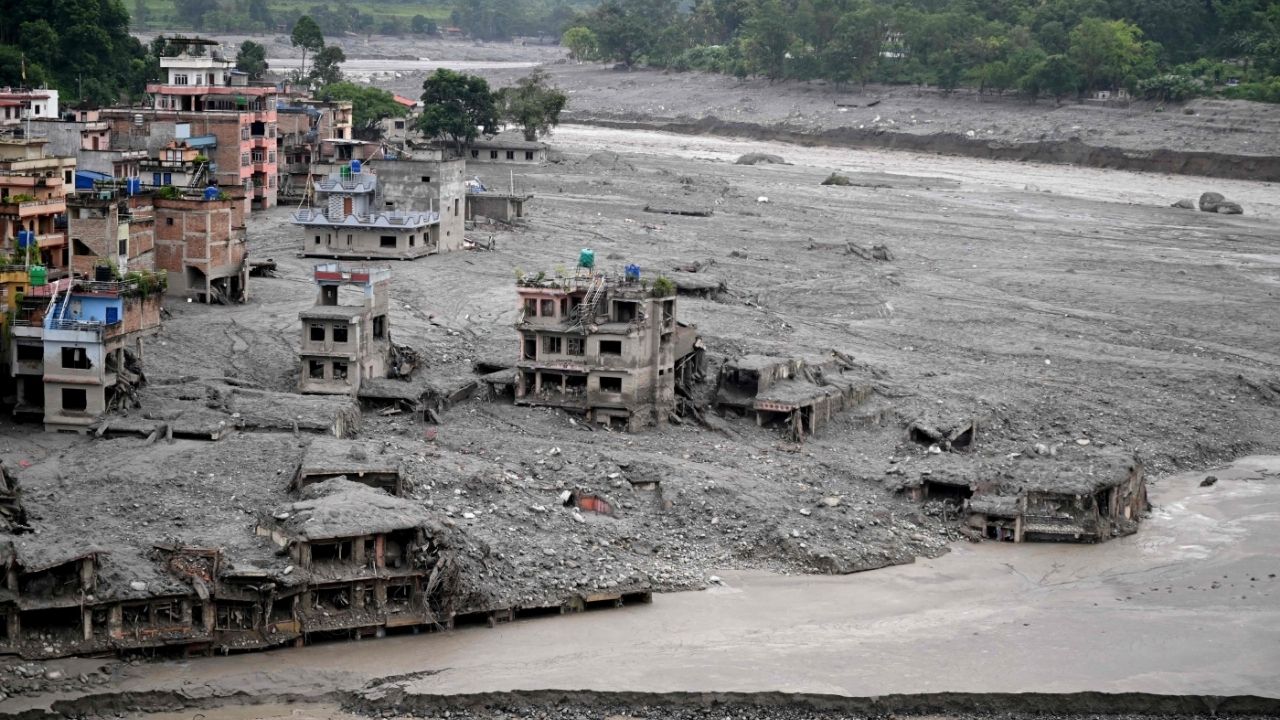
The publication coincides with worsening humanitarian conditions across South Sudan. Nearly one million people have been affected by severe flooding, leaving 335,000 displaced and over 140 health centres damaged or submerged.
Meanwhile, a malaria outbreak has infected more than 104,000 people in just one week, according to the United Nations, which also warns that 7.7 million people are currently facing acute food insecurity.
The country’s fragile peace is also under threat. Renewed clashes between forces loyal to President Salva Kiir and those aligned with First Vice President Riek Machar have reignited fears of another civil war.
Machar, arrested in March and charged in September with treason, murder, and crimes against humanity, has dismissed the allegations as politically motivated.
As conflict and hunger intensify, an estimated 300,000 South Sudanese, many of them children have fled abroad this year alone, seeking refuge from a nation where survival increasingly comes at the cost of childhood.