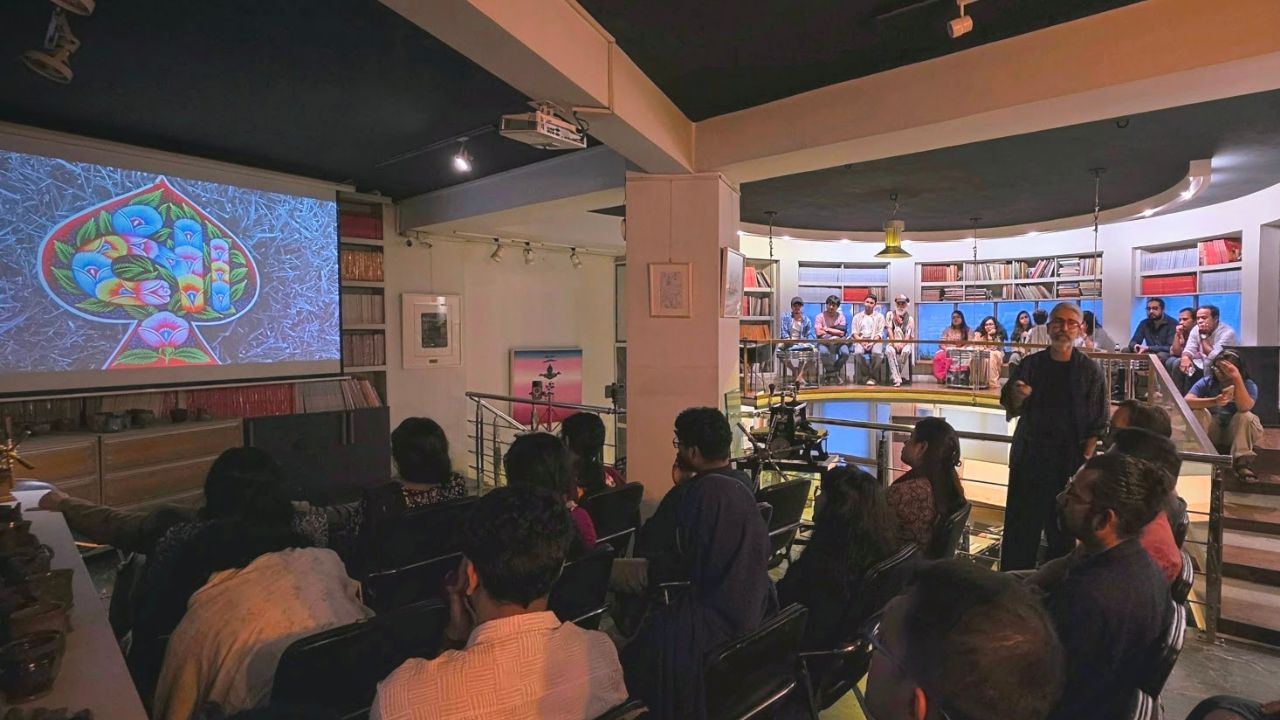
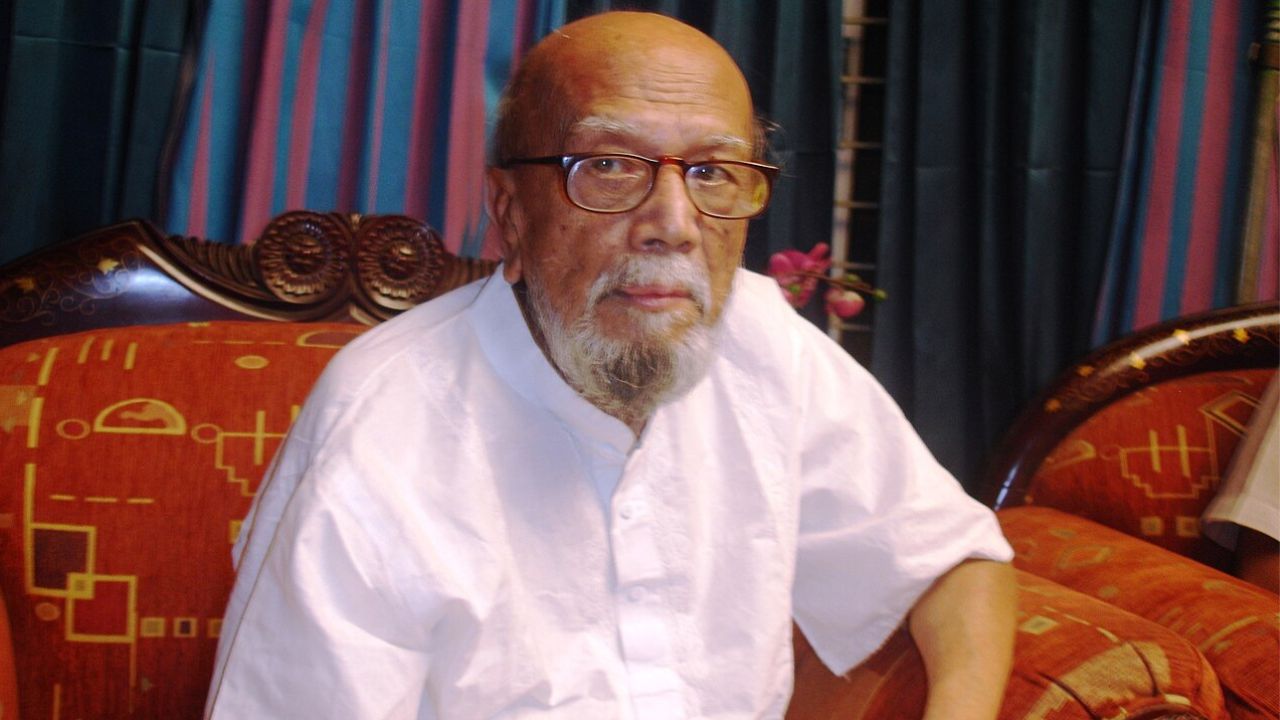
A vast mansion on the banks of the Surma River in Sunamganj, elephants and horses at his command, and the authority of a powerful landlord family were all part of his world. Yet the man who rejected that splendour and sang, “People say my house is not good. What house shall I build, when I stand in the middle of nothing,” was the timeless mystic poet Dewan Hason Raja Chowdhury. Sunday, December 21, marks the death anniversary of this spiritual figure.
Hason Raja was born on December 21, 1854, in Lakshmanshri of Sunamganj. As the son of a wealthy zamindar family, his early life was marked by privilege and indulgence. Horse racing, hunting and lavish entertainment filled his days. A profound inner transformation, however, would later redefine his life. Many believe that the devastating earthquake of 1897 and the death of his mother, Ma Hurmat Jahan, in 1904, deeply altered his understanding of existence. Despite owning around five lakh bighas of land, he came to see worldly wealth as an illusion, convinced that all glory ends when one is buried beneath the earth.
This change marked his journey from Hason Raja the landlord to Hason Jan, the mystic seeker. Renouncing pride and possession, he embraced a life of spiritual reflection. His songs speak of detachment, longing and the desire to unite with the Supreme Soul. He believed that the true self is hidden within the human body, a conviction reflected in lines such as, “I have seen your form with my own eyes, you have appeared within me.”

Rabindranath Tagore was deeply drawn to Hason Raja’s philosophy. In 1930, during his Hibbert Lecture in London, Tagore quoted Hason Raja’s songs, noting that they carried a profound truth and a sense of unity with the universal being.
The simplicity of Hason Raja’s songs carries a striking philosophical depth. Again and again, he reminded listeners of the impermanence of life. In one song he asked, “When you die, your home will be in the ground. Then where will all your colour and splendour remain?”




His spiritual vision rose above Hindu Muslim divisions. With prayer beads in one hand and rhythm in the other, he shaped a universal mystical path rooted in humanism. Although his landmark collection ‘Hasan Udas’ contains 206 songs, scholars believe he composed more than a thousand.
Beyond music and philosophy, Hason Raja was also devoted to education and social welfare. His role in establishing Sunamganj Jubilee High School and College, along with his generous support for religious and charitable causes, remains widely acknowledged.
Hason Raja passed away in 1922 at the age of 67 and was laid to rest beside his mother’s grave in Lakshmanshri, Sunamganj. On his death anniversary, he is remembered as a saint who taught that the true meaning of life lies not in material wealth, but in recognising the self within. His songs and spiritual insights continue to nourish the hearts of Bengalis across generations.