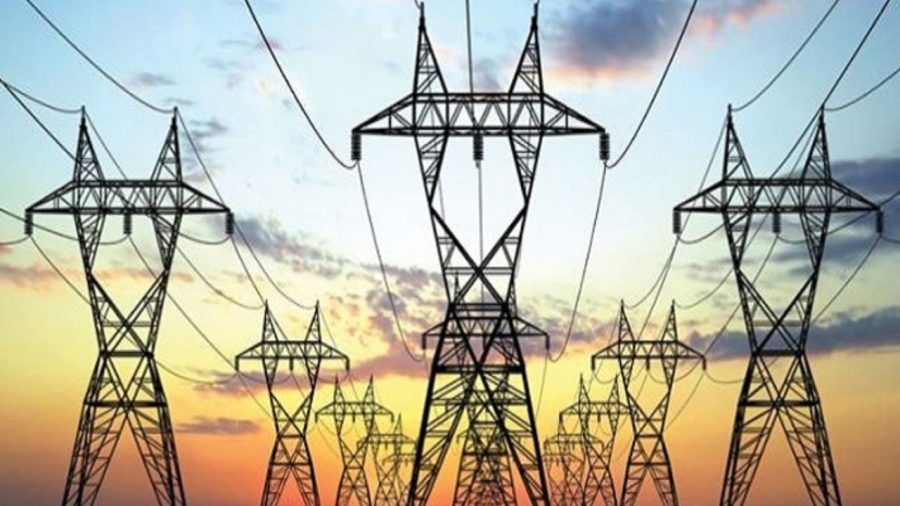



Bangladesh could double its power transmission capacity without building new lines by upgrading existing infrastructure with advanced conductor technology, according to a report by the US-based Rocky Mountain Institute (RMI).
The technology has already doubled the capacity of an existing transmission line in Bangladesh, the report says, although it does not identify the line or disclose the project’s cost and technical details.
Titled “Locking in Prosperity: Ten Practical, Evidence-Backed Actions Toward Affordable, Reliable, and Secure Power Systems”, the report says replacing conventional wires with conductors made from advanced materials can allow existing lines to carry more electricity.
Such upgrades can add capacity at a cost of $60,000 to $70,000 per megawatt, compared with $300,000 to $600,000 per megawatt for new transmission infrastructure providing the same capacity.
Installation typically takes six to 18 months and requires less land acquisition, permitting and construction work than conventional projects.

With electricity demand growing in Bangladesh, RMI says making better use of existing transmission lines could ease grid bottlenecks and reduce the need for new infrastructure.
The report recommends that policymakers and grid operators identify weak points in transmission networks and prioritise sections where advanced technologies could deliver the largest capacity gains. It also suggests testing the technology in strategically important sections before including it in regular transmission planning.




Drawing on 20 case studies across 15 countries, the report outlines 10 actions governments and utilities can take to accelerate the clean energy transition. These include flexible power planning, energy-efficient cooling, electric vehicles, demand management, battery storage, grid stability, advanced transmission technologies, distributed solar and technology-neutral power procurement.
Global installed solar capacity reached three terawatts in 2025, with 660 gigawatts added during the year, the report says. Battery storage capacity has increased elevenfold since 2021 to around 300 gigawatts.
It cites examples of policy and technology changes in other countries. Distributed solar in Brazil serves around nine million consumer units, while reforms to electricity connection rules in Great Britain reduced the project backlog by roughly 60%.
In Puerto Rico, a virtual power plant coordinating more than 110,000 distributed batteries helped maintain critical electricity reserves during 18 high-risk days. Colombia unlocked more than 300 megawatts of additional capacity on existing power lines through advanced transmission technologies.
RMI warns that energy decisions made today can lock countries into expensive systems for decades. Liquefied natural gas supply contracts typically last 10 to 20 years, while gas-fired power plants can operate for 30 to 50 years.
It recommends investment in grid efficiency, renewable energy and modern technologies to reduce exposure to volatile international fuel markets while making electricity more affordable and reliable.

However, the report provides no information about the location, cost, implementation timeline or technical specifications of the Bangladeshi transmission line where capacity was doubled. It is therefore unclear how widely the technology could be replicated across the country’s grid.
RMI released the report ahead of the UN Climate Change Conference, COP31. Mark Dyson, managing director of RMI’s Electricity Program, said practical steps taken now could lower electricity costs, improve reliability and strengthen energy security, often within months rather than years.
“Perfect forecasts aren’t necessary to make progress, and uncertainty is not a reason to stand still,” he said.
The report says early action can lay the foundation for larger investments, helping countries meet rising electricity demand, strengthen economic competitiveness and reduce carbon emissions.