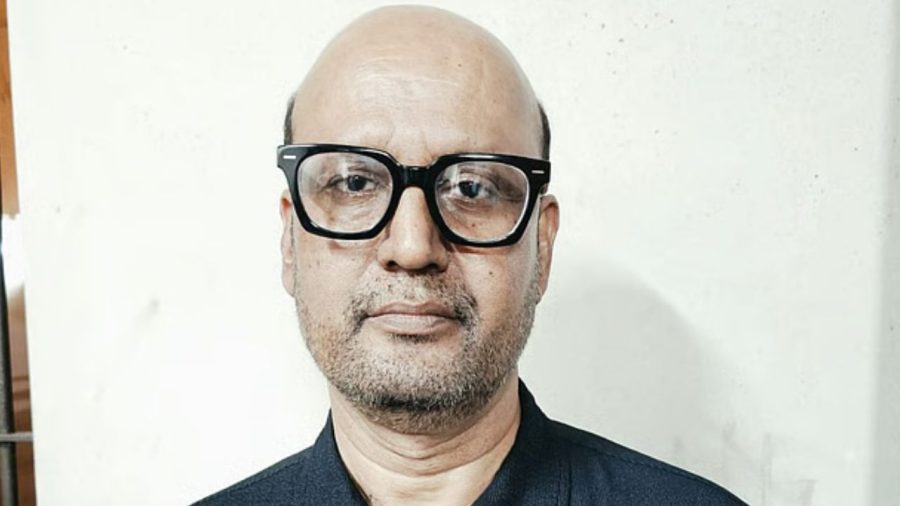



More than 100 fresh complaints of extortion and other serious criminal offences have been lodged against the notorious underworld figure Sweden Aslam since his release on bail following the 2024 mass uprising, according to law enforcement officials.
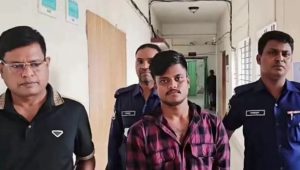
Aslam was detained at Hazrat Shahjalal International Airport in Dhaka early on Monday while attempting to board a Thai Airways flight to Malaysia via Thailand, police confirmed.
He had been released on bail from Kashimpur prison on 3 September 2024 after spending nearly 27 years behind bars. Following his release, he went into hiding and repeatedly failed to appear before the court.
Police stated that during this period, they received numerous complaints implicating Aslam in land grabbing, extortion, death threats, and criminal intimidation.
Officials of the Dhaka Metropolitan Police’s (DMP) Detective Branch (DB) revealed that over 100 new complaints had been submitted directly to the DMP commissioner’s office against him.

He is also accused of operating at least five secret torture cells across the capital. Given the gravity of these allegations, police classified him as one of the country’s most-wanted criminals.
A senior official noted that Aslam’s arrest at the airport was executed following directives from the highest level of government, adding that intelligence operations are actively underway to apprehend several other top underworld figures.
According to the DMP, another known criminal, Khandaker Naim Ahmed Titon, was murdered in Dhaka’s New Market area on the night of 28 April this year. Aslam was subsequently shown arrested in the murder case after investigators uncovered his alleged involvement.




A Dhaka court later placed him on a five-day remand for interrogation in connection with the killing. The 64-year-old also faces multiple other charges, including offences under the Anti-Terrorism Act.
How Aslam rose to notoriety
Aslam’s ancestral home is in Dhaka’s Nawabganj upazila. Following Bangladesh’s independence, his father and uncles relocated to the capital’s Indira Road area.
As a teenager, Aslam appeared destined for a vastly different path. He studied at Tejgaon Polytechnic School, now known as Tejgaon Government High School, and was a gifted footballer who represented his school in inter-district tournaments.
However, after passing his Secondary School Certificate (SSC) examinations and enrolling at Tejgaon College, he began drifting into crime.


In 1986, Aslam was accused of shooting a teenager named Shakil, who was standing with his mother outside a school in East Rajabazar, Farmgate. Police officials mark this incident as the beginning of his ascent in the criminal underworld across the Rajabazar and Indira Road neighbourhoods.
By the 1990s, Aslam had consolidated his influence across Rajabazar, Farmgate, Tejgaon, and Karwan Bazar, as allegations of his involvement in a string of murders began to mount.
His first wife lived in Sweden, and Aslam eventually travelled to the Scandinavian country, spending several years there before returning to Dhaka. It was upon his return that the moniker “Sweden” became permanently attached to his name.

The marriage eventually ended in divorce, and his former wife subsequently married Abdullah Al Hasan, also known as Mamun, in Bangladesh, who himself faced allegations of criminal involvement. In 1995, Mamun and two others were murdered in Old Dhaka, and Aslam was named in the resulting charge sheet.
Contemporary media reports alleged that Aslam orchestrated the killing because he could not accept his former wife’s remarriage.
In 2001, during the tenure of the BNP-Jamaat coalition government, police published a list of 23 most-wanted criminals that prominently featured Aslam. Prior to his release in 2024, he faced 22 criminal cases, including nine counts of murder.
He was originally arrested on 26 May 1997 in connection with the murder of Jubo League leader Mahmudul Haque Khan Galib. Even while serving his lengthy sentence at Kashimpur High Security Central Jail in Gazipur, intelligence reports suggested he continued to direct criminal syndicates from behind bars.
In March 2014, prison authorities seized two mobile phones from his cell, with subsequent investigations confirming he had maintained regular contact with criminal associates operating out of East Rajabazar.