


In Bangladesh, rising temperatures, prolonged heatwaves, high humidity and increasingly frequent extreme weather events have turned heat into a public challenge affecting millions.
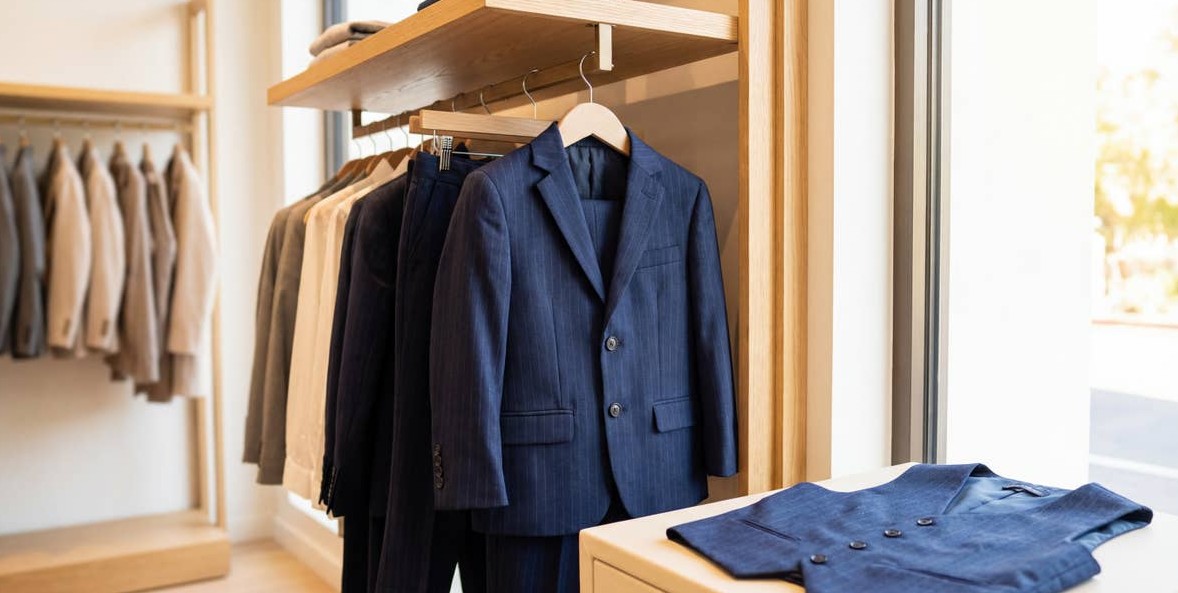
For many people walking, it is a grueling time of the year. But for politicians, business leaders and functionaries, it seems to be an ideal time to showcase their power and influence in society as they put on heavy suits and ties as if it is winter season
The problem with the dress code of the political and business elite in Bangladesh is that it is completely out of sync with the climate and weather of the country.
A suit’s layers trap body heat and reduce ventilation. Those wearing inside air-conditioned offices or vehicles may not feel the discomfort. But once they step outdoors for public events, rallies or field visits, the contrast becomes stark.

The hot and humid climate of Bangladesh is why traditional clothes have been trendy for centuries. With the rise of Western attire, the traditional dress code has been gradually losing ground. The suit and tie have been the favourite of the rich and powerful, advertising it as the dress code of prestige and power.
Over time, Western formal wear became associated with power, prestige and official authority. The suit came to symbolise seriousness and professionalism – a colonial mindset often equating modernity and status.



Formal clothing has its place at diplomatic meetings, international events and indoor official engagements. The suit and the tie are appropriate for occasions and meetings. However, it is wrong to use it as a symbol of their status and power, while common people do not have access.
The experience of ordinary Bangladeshis is vastly different. A rickshaw puller spends hours under direct sunlight. A construction worker labours in extreme heat with limited protection. Farmers continue working in fields despite rising temperatures, while street vendors spend long hours on pavements with little access to shade or cooling facilities.
For many, air-conditioning is beyond reach. Even necessities such as drinking water, rest areas and heat shelters remain limited. Heat exhaustion, dehydration and heat-related illnesses are becoming increasingly common during prolonged hot spells. Against this backdrop, when a leader or senior official steps out of a luxury vehicle in a heavy suit during a heatwave, the image can unintentionally reinforce a sense of distance. It may suggest that those in positions of authority experience a different reality from the citizens they serve.
Across many hot-climate countries, leaders have adapted their public appearances to local conditions, embracing lighter fabrics and climate-appropriate formal wear. Such choices reflect not only comfort but also cultural identity and environmental awareness.
As Bangladesh confronts the growing impacts of climate change, it must rethink how buildings, workplaces and daily practices respond to rising temperatures. Heavy formal clothing in extreme heat often increases dependence on air-conditioning, adding pressure on energy consumption. Government offices, businesses and political organisations can encourage climate-conscious dress practices during summer. Lightweight fabrics, locally produced materials and traditional attire can provide both comfort and dignity.
In a country battling rising temperatures and climate uncertainty, clothing should represent more than status. It should reflect practicality, environmental responsibility and solidarity with the people.
The writer is the Chief News Editor, Daily TIMES of Bangladesh