The Strait of Hormuz is one of the most strategically important waterways in the world. This narrow maritime corridor quietly controls the rhythm of global energy and trade. Located between Iran and Oman, this slim passage serves as the main route for oil and gas exports from the Middle East to the rest of the world.
Nearly 20% of the world’s oil supply travels through the Strait of Hormuz, and any disruption here immediately shakes international markets. Countries such as Saudi Arabia, Iraq, Kuwait, Qatar and the United Arab Emirates depend heavily on this route to export energy. Major importers like China, India, Japan and European nations rely heavily on its uninterrupted flow.
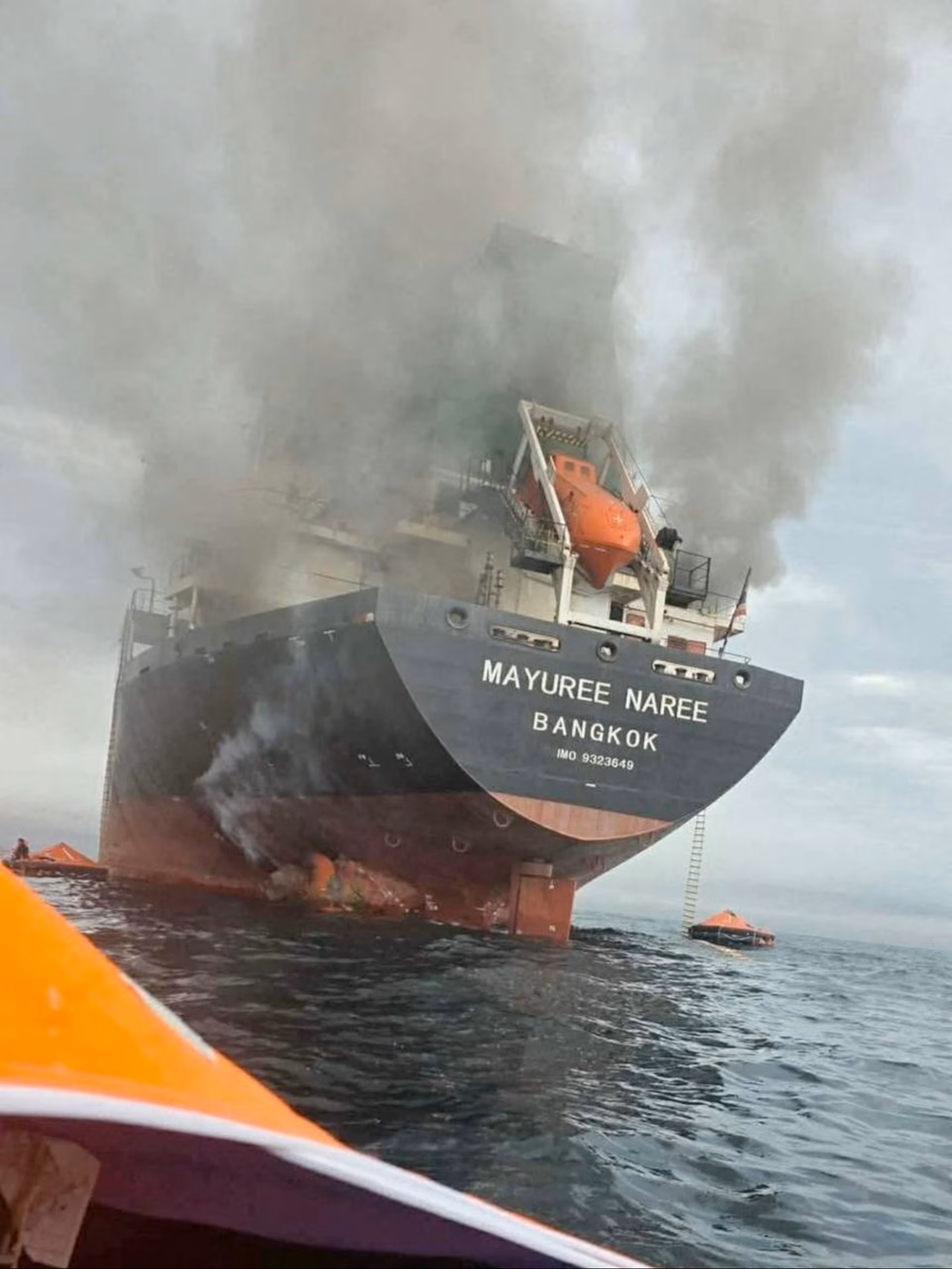
In early 2026, the waterway moved from being a quiet economic artery to the epicentre of a major geopolitical crisis following the outbreak of war between Iran, the United States and Israel. After coordinated strikes on Iranian territory, Tehran’s Islamic Revolutionary Guard Corps (IRGC) began issuing warnings that effectively barred “unfriendly” vessels from passing through the strait, leading many commercial operators to halt operations entirely.


Maritime traffic declined sharply, insurance premiums for wartime shipping surged, and a de facto blockade took shape.
Until recently, global energy markets endured the consequences: oil prices climbed, supply chains strained, and nations dependent on Gulf energy faced mounting uncertainty. In some cases, countries like Iraq declared force majeure on oil exports because they could not safely ship crude through Hormuz.




The latest development, however, hints at a partial shift. In March 2026, Iran informed the United Nations and the International Maritime Organization that “non‑hostile” vessels may transit the strait if they coordinate with Iranian authorities and refrain from participating in hostile actions against Tehran. The statement was circulated to IMO member states and represents an effort to ease the total shutdown of the waterway.

Even so, this is far from a return to normalcy. Many shipping firms remain wary, and traffic levels are still far below pre‑conflict norms. The selective reopening excludes vessels associated with the United States, Israel or other nations Iran views as adversarial, complicating international trade and maritime operations.
The broader geopolitical tensions also persist, with strikes and counter‑strikes continuing around the Gulf region and maritime security organisations warning that naval escorts do not guarantee safety for commercial shipping.
For the world at large, the Strait of Hormuz remains more than a geographic feature. It’s a pressure point where energy supply, global economics and international security converge. How this critical passage evolves in the coming months will shape markets, diplomacy and the daily cost of fuel for billions of people.