The government’s latest pledge to restore Sonadia Island’s mangroves and biodiversity has sparked both hope and scepticism. The 9-square-kilometre island, roughly 22,000 acres in total, is an Ecologically Critical Area (ECA).
It has suffered a near-total biodiversity collapse after decades of shrimp farming, encroachment and failed eco-tourism projects.
Once ringed by dense mangroves, tidal canals and sandy beaches teeming with life, Sonadia is today a scarred landscape. Shrimp enclosures have carved through the wetlands, blocking natural tidal flows, while unchecked wood cutting and failed eco-tourism plans have stripped the island bare. Experts estimate more than 90 per cent of its unique biodiversity is already gone.
“For too long, illegal shrimp farming and poor management have destroyed the mangrove forests and blocked natural tidal flows,” said D. Mollah Rezaul Karim, Conservator of Forests for the Chattogram region. “This initiative aims to restore 22,541 acres of forest and safeguard biodiversity before it is too late.”

The forest department has already regained 9,466 acres from the Bangladesh Economic Zone Authority (BEZA), which in 2017 had taken over almost the entire island to build an eco-tourism park. That project never took off, but the allocation triggered massive land grabs.
Locals report that 37 new shrimp enclosures alone cleared 2,000 acres of mangroves in just four months before the last Awami League government’s exit. Only after a High Court directive this May was BEZA’s control formally cancelled, paving the way for restoration.



Yet the damage is staggering. The island, an internationally recognised habitat for migratory birds along the East Asian-Australasian Flyway, as well as a nesting ground for endangered Green and Olive Ridley turtles, has seen its ecosystems collapse. The island also serves as a crucial stopover for some of the world’s most endangered species, such as the Spoon-billed Sandpiper, Nordmann’s Greenshank and the Great Knot, according to the Forest Department.
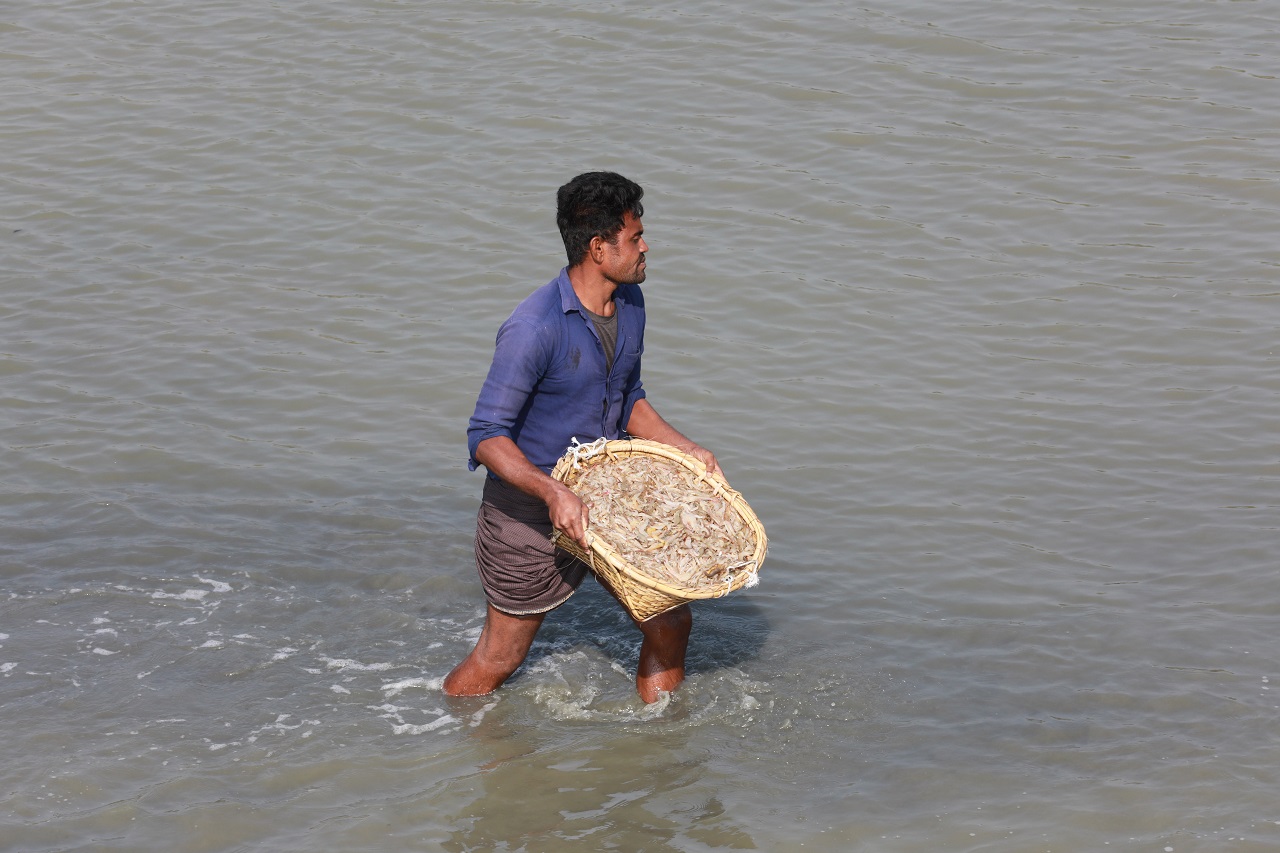
Md Aiyub, a local fisherman, recalls, “The forest here was once dense and alive. Now, large parts are gone. Powerful people built dams across canals and the trees have died because the tide no longer reaches them. Our fishing is also suffering.”
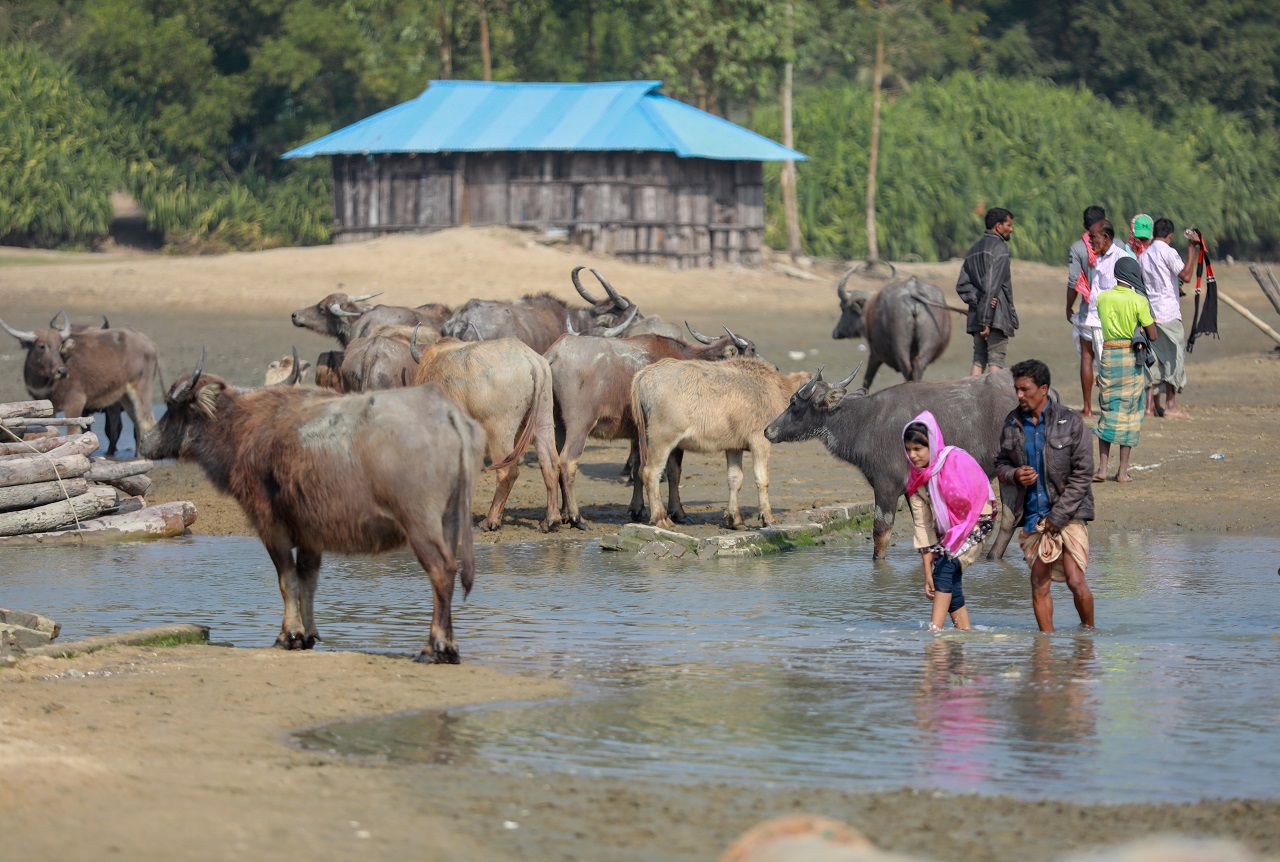
For the 2,000 residents of Sonadia’s two villages, survival has meant relying on the very practices destroying the island. With no roads, hospitals or markets, they cut wood, fish and farm shrimp to survive. “We don’t want to lose the forest,” said Sokina Begum, 41, a mother of three. “But when there are no jobs, people do what they must. If the government brings other work, we will protect the forest ourselves.”

This is the paradox of Sonadia: conservation cannot succeed without addressing the poverty of its people. The new Sonadia Biodiversity Restoration Project promises mangrove replanting, removal of illegal embankments, stronger patrols and eco-guard jobs for locals. But many fear it will end like previous half-hearted drives. Since 2007, governments have launched eviction campaigns and filed cases, only to see shrimp farmers and land grabbers return under political protection.
“In Bangladesh, many conservation plans are drafted, but implementation is what matters,” said Mohammad Abdul Kaiyum, manager of Nature Conservation Management (NCM). “Without strong political commitment, trained local committees, and real enforcement, Sonadia will remain just another broken promise.”
The choice is stark. If the government follows through, Sonadia could become a model for how degraded ecosystems can be brought back from the brink. If not, it will remain a cautionary tale of how greed and neglect erased one of Bangladesh’s ecological treasures