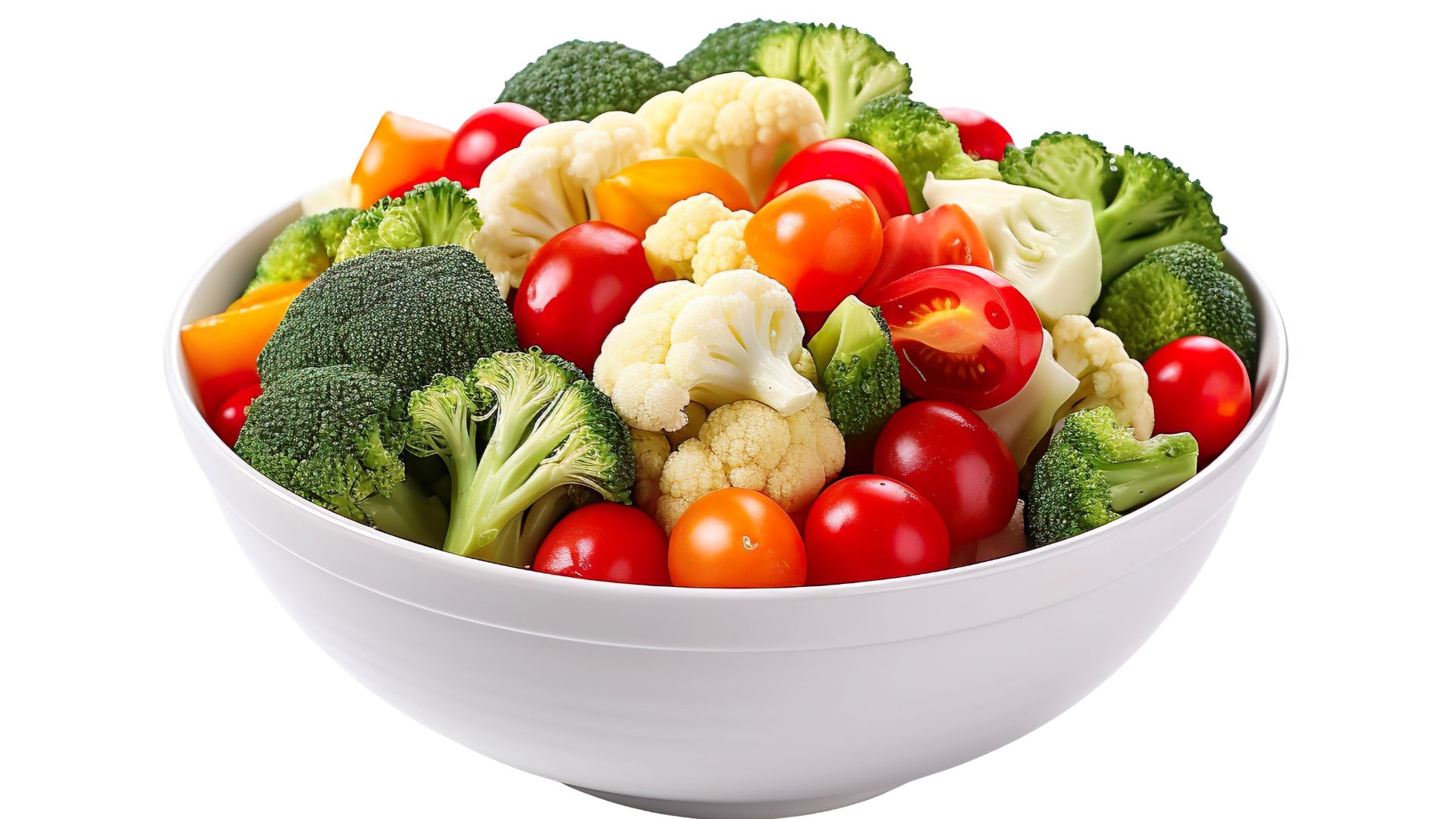



For many parents, the scene repeats itself almost nightly: A plate of shobji pushed to the edge, a child insisting they will never eat anything green, and a parent running out of both patience and ideas. The reassuring part, nutrition researchers say, is that none of this calls for bribery, threats, or a battle of wills. What actually works tends to be smaller, slower and considerably less dramatic.
Children often need to encounter a new vegetable – its smell, its texture, even just its presence on the plate – many times before they are willing to eat it. A single rejected spoonful of lau or a pushed-aside piece of cauliflower is not a verdict; it is simply one data point in a process that can take a dozen tries or more. Calm, repeated exposure, without commentary or pressure, is what eventually turns an unfamiliar food into an accepted one.
The instinct to insist a plate be finished, or to dangle dessert as a reward for eating vegetables, tends to work against the goal rather than for it. Experts note that this kind of pressure can teach children to associate vegetables with obligation rather than enjoyment, while framing dessert as the “real” prize only reinforces the idea that vegetables are something to get through.

A more relaxed mealtime – where a child is encouraged to try a bite but not forced to clear the plate – tends to produce steadier, more positive eating habits over time.
Modelling matters more than most parents expect. A child who regularly watches their family eat and visibly enjoy vegetables at the table is more likely to try them eventually than one who is simply told to. Enthusiasm, it turns out, travels further than any lecture on nutrition ever will.




Involving children in small kitchen tasks – washing spinach, stirring a salad, picking out produce at the local bazaar – tends to build curiosity about the finished dish. A vegetable a child helped choose or prepare is far more likely to end up eaten than one that simply appears on the plate, unexplained.
Small visual choices can shift a child’s willingness to try something new: Vegetables cut into playful shapes, a colourful mix on the plate, or pairing a less-familiar vegetable with something the child already loves. For younger children especially, how a dish looks can matter just as much as how it tastes.
Pickiness that peaks between roughly ages two and six is developmentally normal, not a sign that anything has gone wrong. Rather than treating each meal as a pass-or-fail test, nutrition experts suggest looking at eating patterns over weeks and months.
Most children’s tastes widen gradually, given enough patient, low-pressure repetition – proof that consistency, not confrontation, wins the long-term argument at the dinner table.