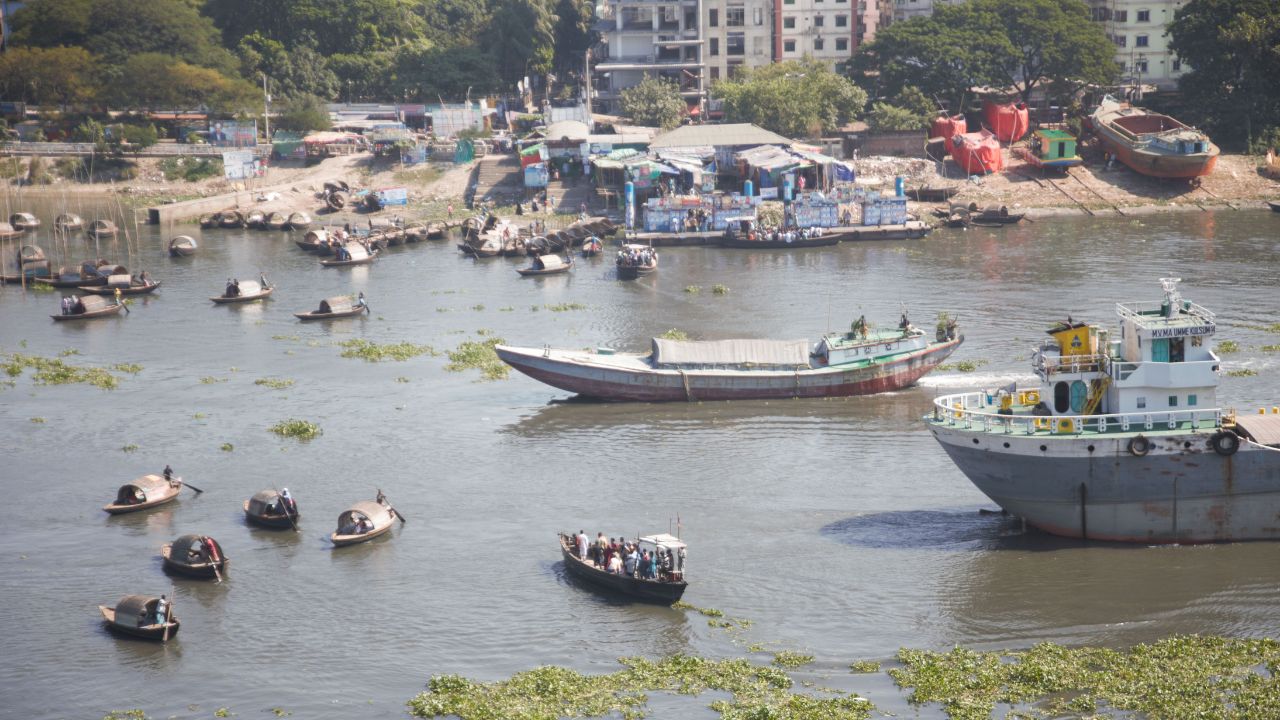

Morning in Narayanganj begins with long lines at the Shitalakshya riverbank. Thousands of people hurry to cross the river to reach work, school, markets and home. Every crossing brings a quiet worry that something might go wrong.
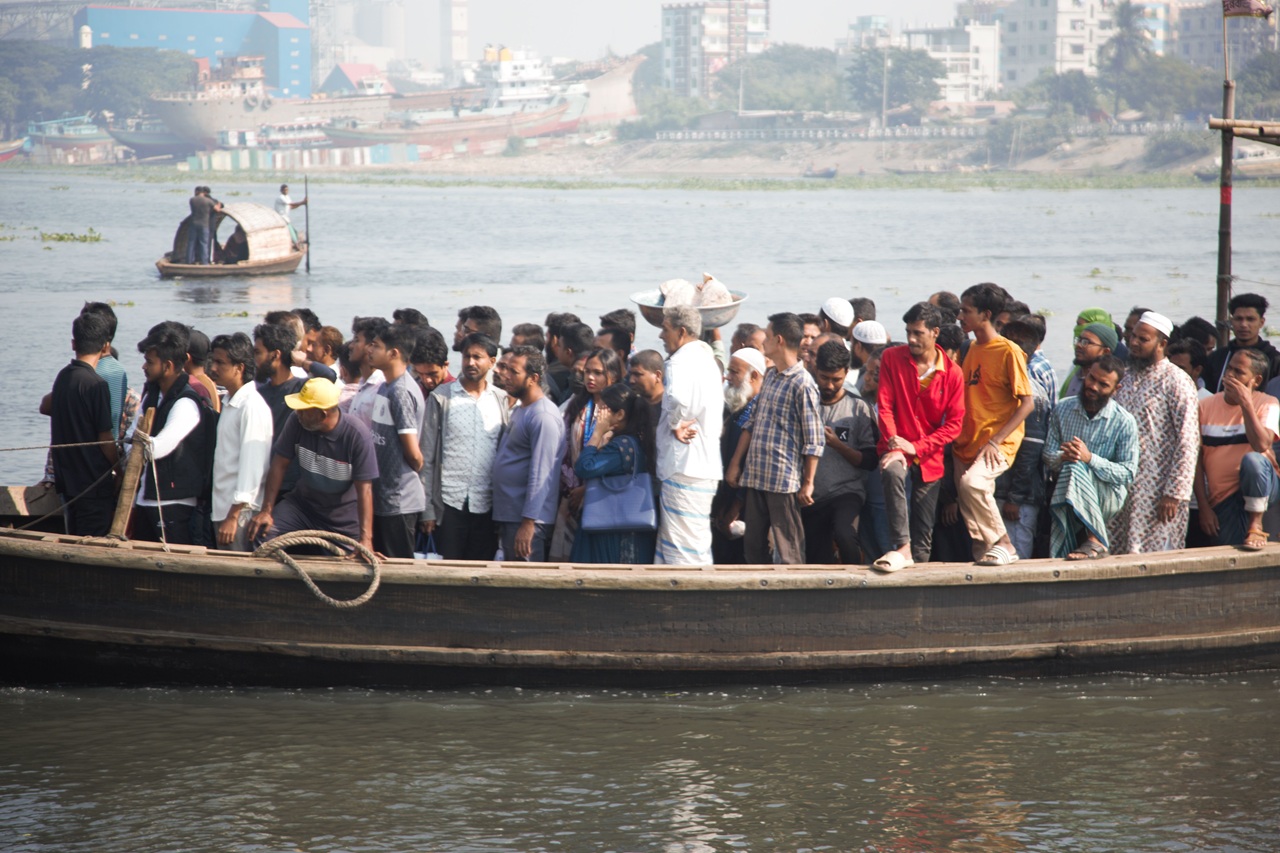
The port area remains the busiest route. People line up from dawn. The crowd swells as the morning rush begins. Men, women, students and factory workers all depend on the small ghats scattered along the bank. They know the journey is risky but have no choice.
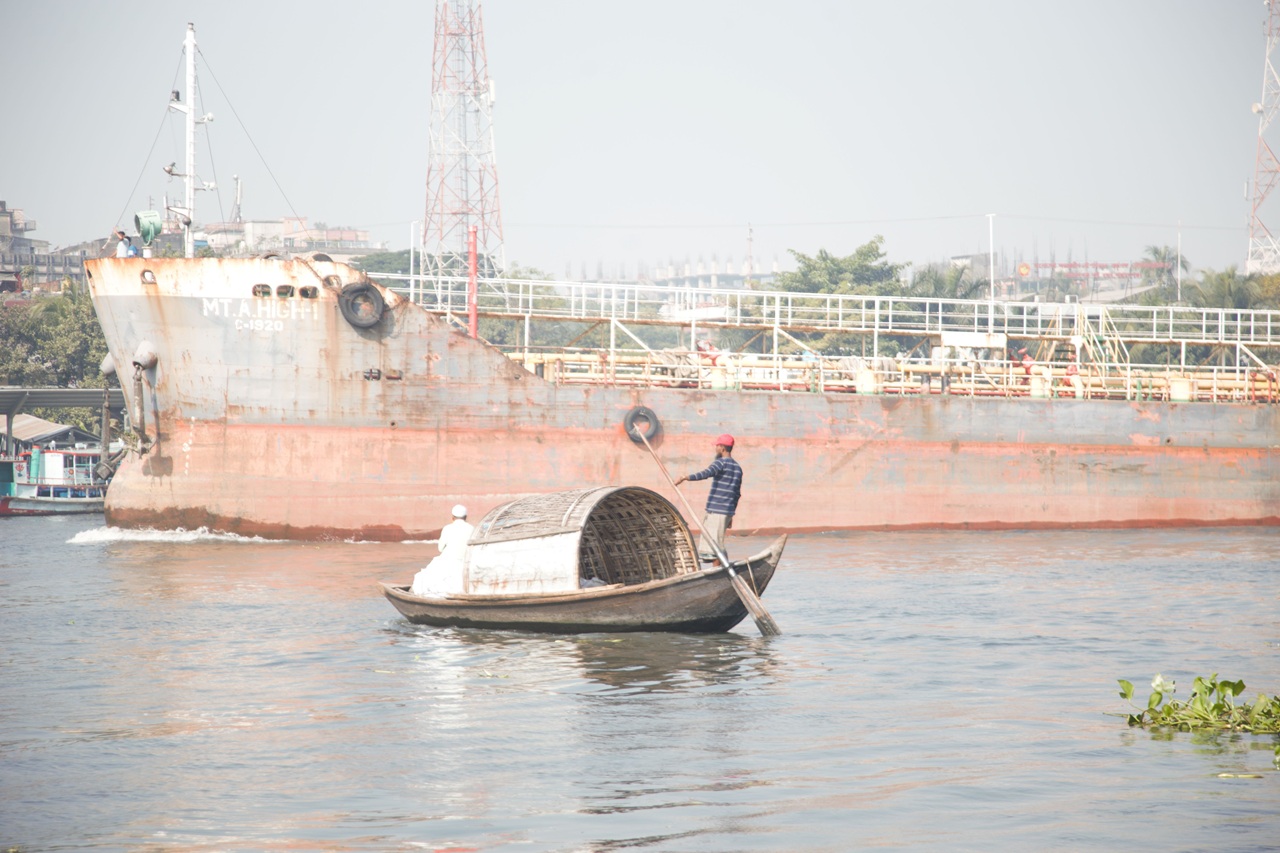
A part of the regular travellers uses small boats. These boats are known as dinghies. They move slowly across the river. They cost more. They take time. But the ride feels calm. The boatmen row steadily. The river feels quieter here. For many, this is the safer option.

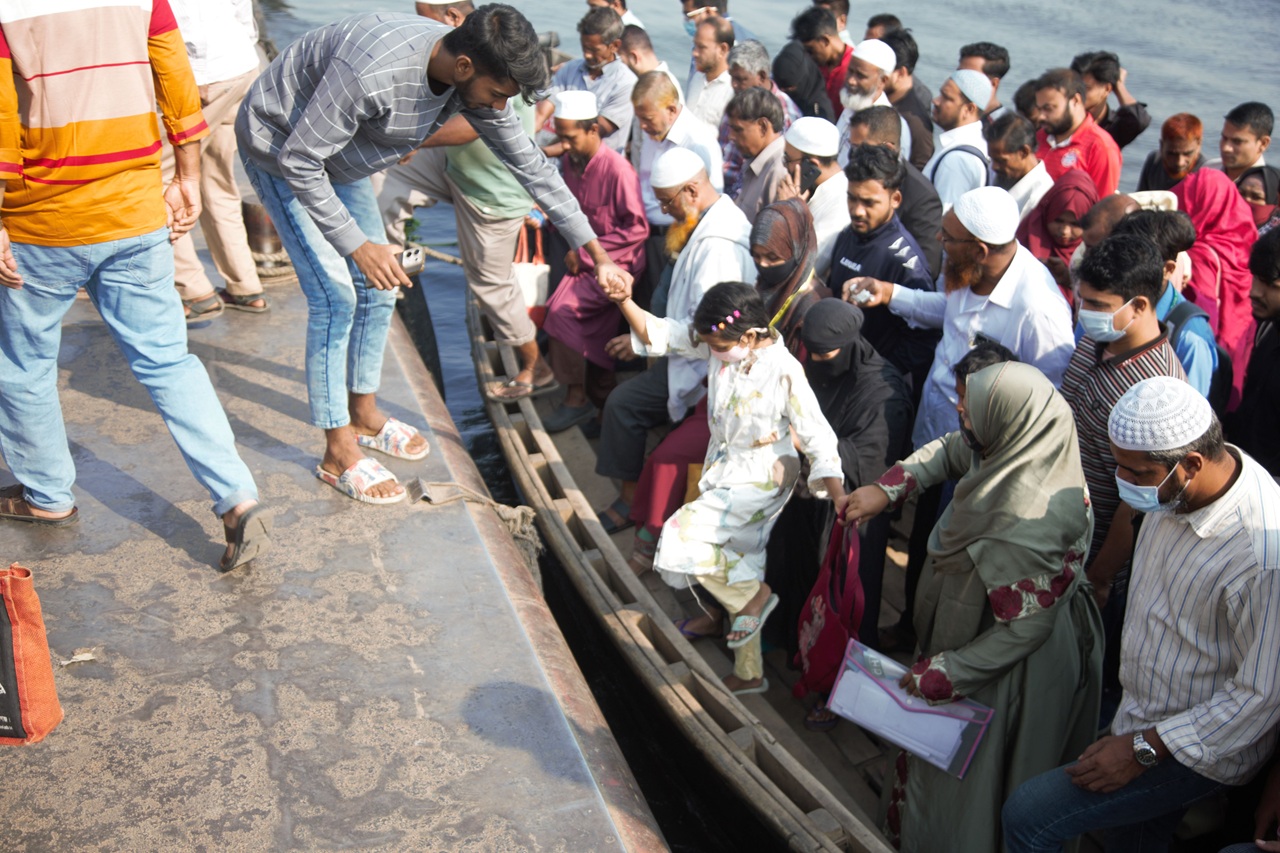
Most others take the engine-powered trawlers. These vessels are fast. They are cheap. They can carry many people at once. And that is the problem. Overcrowding has become a daily scene. Trawlers often wait until they are fully packed. Sometimes beyond safe limits. The decks sink low. The engines tremble under the weight.
Accidents happen often. People still remember the trawler capsizing incidents that claimed lives in past years. Strong currents, sudden storms, faulty engines, anything can turn a routine crossing into a disaster. Yet nothing changes.




At night, the risk increases. The river becomes darker. The traffic becomes more chaotic. The rush does not slow. Many workers return home from factories and warehouses after late shifts.
Kiron Paul from the Amin Residential Area describes the fear clearly. “After nine o’clock at night, 250-300 men and women cross the river in a trawler,” he said. “If so many people get on and off together, it’s a disaster waiting to happen.”
His words echo a simple truth. People know the danger. But there are no strong alternatives. The city does not have enough bridges. There are no proper safety checks. Life jackets are rarely seen. Local authorities make promises. But promises do not save lives on the water.
The Shitalakshya is not the enemy. The river has carried Narayanganj’s history for centuries. It supports trade. It supports transport. It supports people. But it needs respect and proper management.
Until that happens, every crossing remains a quiet gamble. A daily risk taken by thousands simply trying to reach home.