






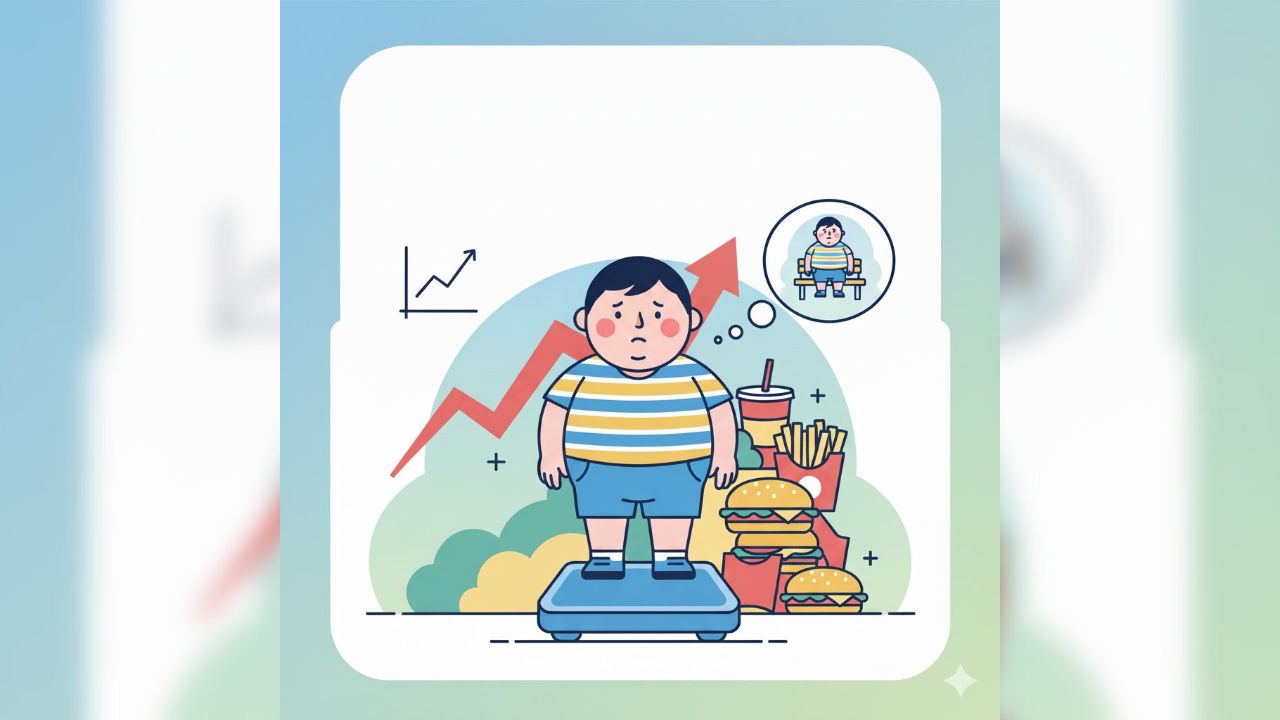
Childhood is often the happiest stage of life. Kids spend countless hours playing freely and running through open fields. Afterward, they enjoy delicious treats like crispy snacks, sweet drinks, or warm fast foods that bring them even more delight.
Yet, behind these cheerful moments lies a hidden concern such habits can have harmful effects, including the risk of obesity.
Obesity represents a more severe form of excess body weight and is linked to a heightened likelihood of developing conditions such as insulin resistance and high blood pressure.
Over time, it can lead to major health challenges, including type-2 diabetes, heart-related illnesses, and some forms of cancer. A child is classified as overweight, significantly heavier than what is healthy for their age, biological sex, and height.
According to UNICEF’s flagship Child Nutrition Report, released on 10 September, 2025, global childhood nutrition is experiencing a major shift: rates of overweight and obesity are rising worldwide.
The food environments are failing children, highlights a historic change, the report said. For the first time, obesity has become more common than underweight among school-aged children in nearly every region, except sub-Saharan Africa and South Asia.
Using the latest data from more than 190 countries, UNICEF notes that one in five children and adolescents aged 5 to 19 are living with overweight, and one in ten are living with obesity. These trends place many young people at increased risk for serious future health problems.
Unhealthy food intake makes obesity more common
There is increasing global concern over the harmful health effects of ultra-processed foods (UPFs). These include items such as breakfast cereals, biscuits, cakes, soft drinks, and ready-to-eat meals, which undergo industrial processing and contain additives like colours, emulsifiers, and artificial flavors, often with high levels of added sugar, fat, or salt.
Children are easily influenced by advertisements that promote unhealthy foods such as sweets, fast food, and soft drinks.
Advertisers use bright visuals, fun characters, and catchy jingles to make these products appealing and enjoyable. Such tactics trigger cravings, often prompting children to urge their parents to purchase these items.
Frequent exposure to these ads can gradually shape their taste preferences, leading them to favour unhealthy options over nutritious meals. This pattern not only impacts their day-to-day eating habits but also increases the risk of long-term health problems, including excess weight, obesity, and related chronic conditions.


