Bangladesh’s northern region is emerging as a promising tourism destination, driven by its archaeological heritage, riverside lifestyle, tea gardens, rural culture and natural beauty, but poor infrastructure, weak communication networks and limited promotion continue to hold back the sector’s growth.
Tourism analysts and businesspeople said the region has the potential to become one of the country’s major economic sectors if planned development initiatives are undertaken.
They said tourism expansion could create employment opportunities for hundreds of thousands of people directly and indirectly over the next five to seven years, particularly in hotels, resorts, transport, restaurants, handicrafts, tour guide services, river tourism, agro-tourism and cultural activities.
Rajshahi, Naogaon, Dinajpur, Rangpur, Panchagarh, Thakurgaon, Bogura and Joypurhat have significant tourism potential due to their historical and natural attractions, industry insiders said.
Tourism stakeholders believe that bringing the historical and scenic sites in Rajshahi, Chapainawabganj, Naogaon, Natore, Bogura, Dinajpur, Rangpur and Kurigram under modern tourism facilities could generate several thousand crore taka in annual economic activity.
They estimate that the expansion of accommodation, transport, food services and local products around tourism hubs could create annual business worth nearly Tk8,000 crore to Tk10,000 crore in the region.

Tourism researchers said integrated tourism planning centred on archaeological sites, river-based attractions, mango orchards, rural traditions and natural landscapes could transform northern Bangladesh into a major economic zone while reducing unemployment and raising local incomes.
Rajshahi’s Padma riverbank remains one of the region’s leading attractions, drawing thousands of visitors every afternoon. Other major destinations include the Varendra Research Museum, Bagha Mosque, Puthia Rajbari and the district’s mango orchards.
Naogaon’s Somapura Mahavihara in Paharpur is internationally recognised as an archaeological heritage site, while Dinajpur’s Kantajew Temple and Ramsagar, Bogura’s Mahasthangarh, Panchagarh’s tea gardens and views of Kanchenjunga from Tetulia also attract large numbers of tourists.
Tourism operators said inadequate transport links, a shortage of quality accommodation and insufficient recreational facilities remain the sector’s main weaknesses.



Many tourist destinations are still connected by poorly planned and risky roads, while several areas lack sufficient public transport, causing difficulties for visitors travelling from distant parts of the country.
A tourism entrepreneur in Rajshahi said the region receives far less national promotion compared with destinations such as Dhaka or Cox’s Bazar.
“As a result, many people are still unaware that northern Bangladesh also has exceptional tourist attractions,” he said.
Stakeholders said tourist numbers could increase severalfold if modern hotels and motels, safe transport and cleaner environments were ensured.
Although visitor pressure has increased in some locations, many tourists still face negative experiences due to the shortage of public toilets, rest areas, parking facilities and security arrangements.
Industry insiders also identified dependence on seasonal tourism as another major challenge.
Tourist flows rise sharply in Panchagarh, Dinajpur and Thakurgaon during winter, while Rajshahi experiences increased arrivals during mango season, but the momentum is not sustained throughout the year.
Experts suggested launching region-specific tourism packages to make the sector sustainable, including “Mango Tourism” in Rajshahi, “Tea Tourism” in Panchagarh, “Heritage Tourism” in Naogaon and river tourism around the Padma and Jamuna rivers.
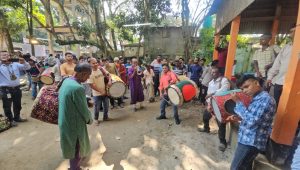
Tourism researchers also highlighted the potential of community-based tourism built around rural lifestyles, folk music, traditional food and agricultural experiences, saying such initiatives could directly benefit local residents and create opportunities for women entrepreneurs.
A source at Bangladesh Tourism Corporation said the government has already undertaken several tourism development projects across the country and plans are underway to improve tourism-friendly infrastructure, roads and entertainment facilities in the northern region while encouraging private investment.
Mango expert, river and environment researcher and Heritage Rajshahi President Mahbub Siddiqui said tourism development in northern Bangladesh could significantly strengthen the local economy and create massive employment opportunities.
He said full modernisation of the tourism sector could generate business worth Tk8,000 crore to Tk10,000 crore within the next five to 10 years.
Former Rajshahi Chamber of Commerce and Industry president Masudur Rahman Rinku said the region’s tourism potential could be transformed into economic strength through planned initiatives and modern infrastructure development.
He particularly stressed the need to launch the Sultanganj corridor in Godagari Upazila and dredge the Padma River, saying improved transport and waterways are essential for the sector’s growth.
He also called for modernisation of tourism motels and related infrastructure to unlock the region’s commercial potential and create large-scale employment opportunities.