Bangladesh’s Samira Khan Mahi reached second place in the Miss Universe 2026 public vote and reportedly topped its leaderboard shortly before the finale. Yet she missed the Top 30 because the People’s Choice vote and judges’ selection were separate.
For the pageant’s 75th edition, only the contestant with the most verified votes earned an automatic Top 30 place; judges chose the other 29 based on interviews and preliminary performances. Mahi’s earlier Top 30 announcement referred to her audience-vote ranking, not the semifinalists. Her Top 15 finish in Best National Costume was unrelated.
In a 25 November interview, Mahi confirmed she was second and urged Bangladeshis to keep voting. Despite reports that she led about an hour before the finale, she did not finish first. Ecuador’s Dalia Bucaram won the vote and automatic place; Mahi missed the judges’ selection.
Mahi’s campaign also carried a personal story. Growing up, she was mocked for her skin tone and called ugly and fat. She wanted to encourage women to believe in themselves and their abilities.

Coming from Sylhet, she struggled to establish herself in Bangladesh’s media industry. At five feet four inches, she competed among contestants often around six feet tall and fairer-complexioned. “If I compare myself with them, I would be insulting myself. This is who I am, and I have to go with everything that I have,” she said.
Selected just four days before departure, Mahi had little time to rehearse. After a 30-hour journey, she reached Puerto Rico two days late, missing activities. Paparazzi welcomed her by shouting “Bangladesh!”

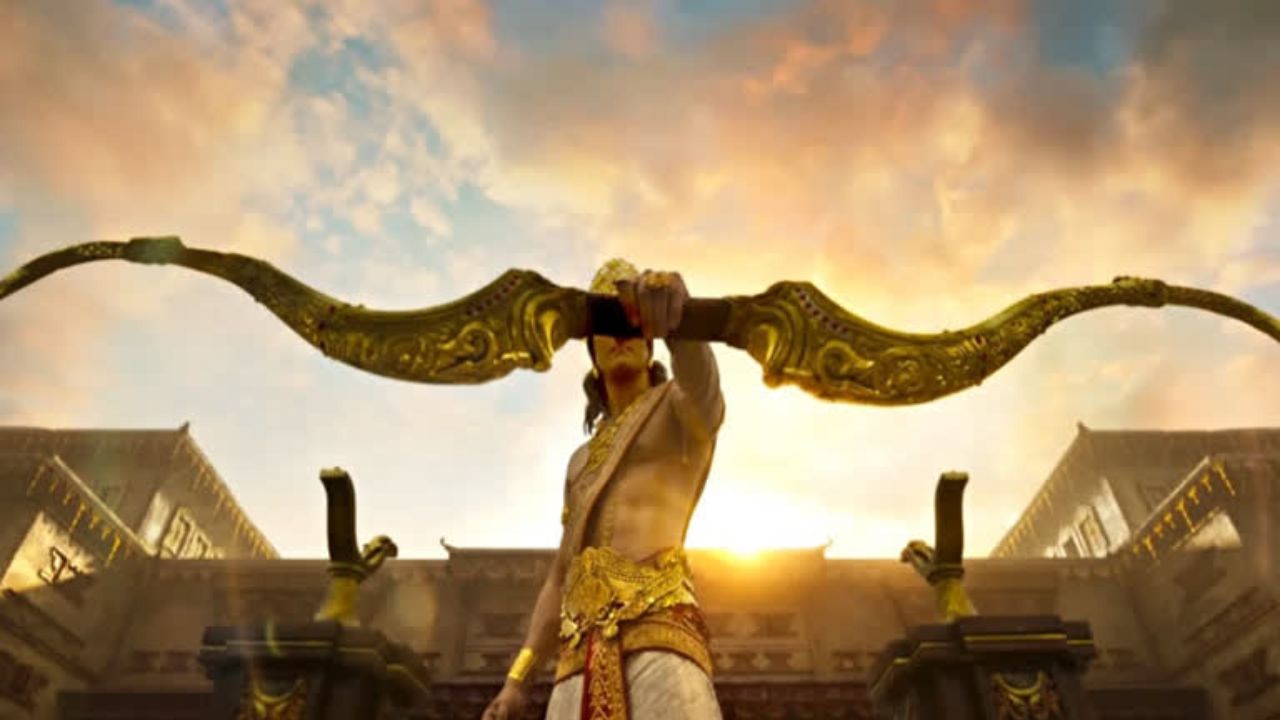


Her motherhood-themed national costume featured a wooden headpiece with ivory-toned mother-and-child figures, red floral motifs, shapla-inspired green-and-white petals and a red circle echoing the flag. Her khadi saree had a pleated red cotton border, block prints and paisley-patterned water-lily appliqué. Bishwajit Mazumder’s team designed it; Canvas supplied the jewellery. The concept showed a mother raising her daughter, who eventually cares for her.
Mahi arrived on 8 November, but the costume reached Puerto Rico on 22 November, the national costume round. Its headpiece was shipped in eight pieces. With no backstage assistance, she assembled it herself with a screwdriver over three hours. Three minutes before her appearance, one wing fell off; she held it while walking. Spectators were moved, some crying and requesting photographs. She made the category’s Top 15.


She chose a burkini over a bikini for the swimsuit round, saying it reflected Bangladeshi culture and gave her confidence. Her Vietnamese evening gown was metallic silver, warm nude and white; her team travelled to Thailand to source outfits because of limited preparation time.
Calling out Bangladesh before a packed stadium was a proud moment. She highlighted climate change and flooding in Sylhet, Feni and Lakshmipur, building on initiatives she had worked on since 2022. At an event supporting children with disabilities, she donated a handmade shapla-inspired jewellery set of earrings, ring and locket for auction.

The 25 November finale began at 6am Bangladesh time with 116 contestants. The swimsuit round cut the Top 30 to 12, then evening gown selected five finalists. Each answered two 30-second judges’ questions, one individual and one common. Puerto Rico’s Jennifer Barreto won, succeeding Mexico’s Fátima Bosch. Melissa Núñez, Clara Vegas, Bea Millan-Windorski and Georgia Waddington were first to fourth runners-up.
On Wednesday morning, Mahi thanked Bangladeshis for their love, prayers, votes and support in an emotional Facebook post. “I know you had great expectations. I also wanted to make Bangladesh’s name shine even brighter on the global stage. Believe me, I gave it my best,” she wrote, apologising for falling short. “I may not have fulfilled your expectations, but the love you have given me is worth more than any achievement,” she added.
She said Bangladesh would remain her identity and pride and hoped to move forward with the people’s encouragement. She left without a semifinal place or crown, but brought her story of self-acceptance, Bangladeshi culture, motherhood and climate concerns to an international audience.