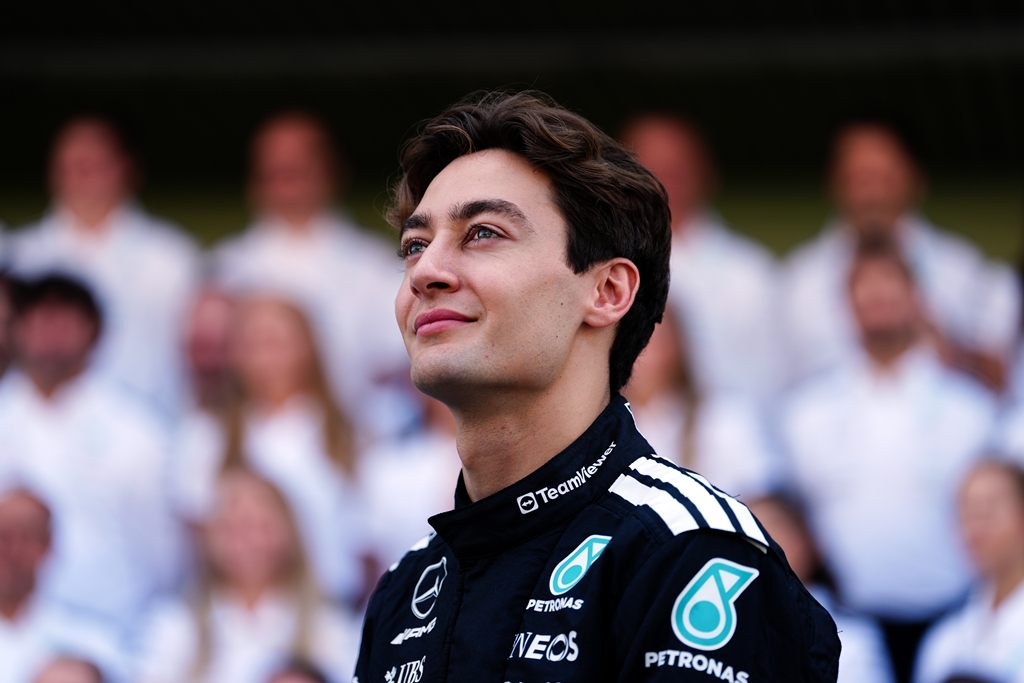

George Russell kicked off the 2026 Formula One season with a commanding win at the Australian Grand Prix on Sunday in Melbourne, leading teammate Kimi Antonelli across the line to deliver a Mercedes one-two that immediately confirmed the Silver Arrows’ dominance under the sport’s new regulations.
The paddock spent months whispering the same prediction. New rules would shake the grid and Mercedes would surge back to the front. Saturday’s qualifying already hinted at the answer when Russell grabbed pole and Antonelli locked out the front row.
Russell launched cleanly from pole while Ferrari’s Charles Leclerc lunged forward and briefly threatened to split the silver cars. The new Overtake Mode, which releases extra battery power for short bursts, created a frantic opening phase.
Leclerc attacked aggressively. The Ferrari driver used the extra boost to slip past Russell early, yet the move came with a cost. The battery demanded recovery under braking and Russell pounced the moment the Ferrari slowed through the next sequence of corners.

The pair traded track position several times in the opening laps, producing the most compelling duel of the afternoon.
Behind them Antonelli fought a different battle. The rookie suffered a painfully slow getaway and briefly looked vulnerable to both Ferraris. He recovered quickly, stabilised the pace and clawed back track position as the race unfolded.



That recovery completed Mercedes’ perfect afternoon. Russell controlled the tempo from the front while Antonelli shadowed him home to secure the team’s first season-opening one-two since the 2019 Australian Grand Prix. Leclerc rounded out the podium in third while Lewis Hamilton finished fourth in the second Ferrari.
Further down the order another rivalry simmered. Lando Norris and Max Verstappen clashed repeatedly in a tense scrap for fifth. Norris ultimately held position, refusing to give the Red Bull driver a single clean opportunity to strike.
The new regulations, however, created chaos elsewhere. Formula One introduced the most radical technical overhaul in its history this season. The changes promised innovation but immediately delivered reliability headaches across the grid.
Six drivers failed to reach the finish. Oscar Piastri suffered the cruellest blow of all. The Australian crashed during the reconnaissance lap, ending his home race before the lights even went out.
Audi’s Nico Hülkenberg stalled on the formation lap and watched the entire grand prix from the garage. Fernando Alonso, Isack Hadjar and Valtteri Bottas also retired, while Aston Martin turned the afternoon into a rolling test session by sending Alonso and Lance Stroll out simply to gather data.
At the front, however, Mercedes looked frighteningly comfortable. The performance echoed the team’s domination at the dawn of the turbo-hybrid era in 2014, a rules shift that triggered eight consecutive Constructors’ titles and seven Drivers’ Championships.
Russell had already predicted something like this months earlier. During last year’s United States Grand Prix weekend he openly declared Mercedes his “best chance of winning the championship,” stressing that victory mattered more than contracts or sponsorship commitments.