
Jamaat-led 11-party alliance has decided to participate jointly, rather than individually, in the Election Commission’s (EC) dialogue with political parties as well as in proposed national dialogue initiated by the government.
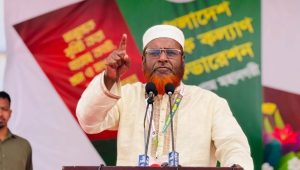
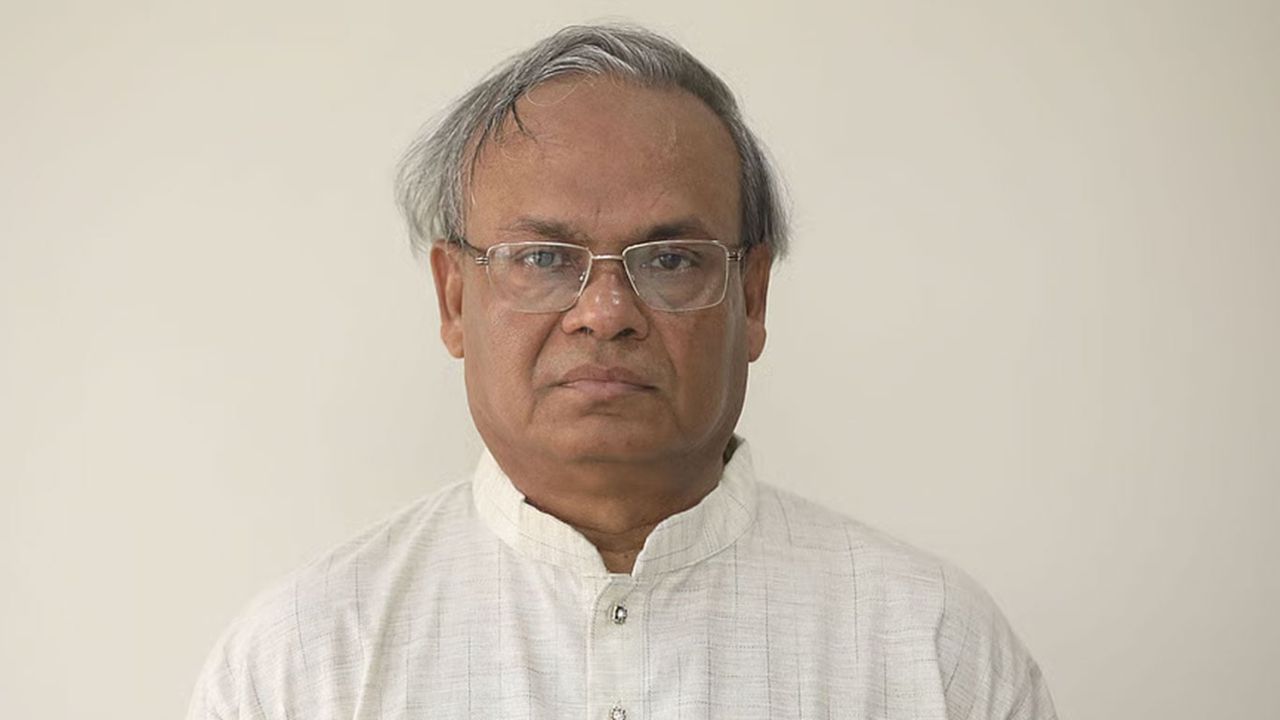
AHM Hamidur Rahman Azad, coordinator of the 11-party alliance, announced the decision at a press briefing following an emergency meeting of the alliance’s liaison committee at the central office of Jamaat-e-Islami in Dhaka on Friday.
He said the 11 parties wish to take part together to make the EC dialogue meaningful. An application will be submitted to the senior secretary of the commission requesting a separate time slot for the 11 parties.
Ahead of the upcoming union parishad elections, the EC has organised dialogues with political parties on 29 November, 30 November, and 1 December, inviting 19, 18, and 18 parties respectively across the three days.

Noting that the 11 parties will also participate together in the national dialogue, Azad said implementing the July Charter and enforcing the verdict of the referendum is a national issue rather than a matter for any single party.
He said that as it is not an issue of an individual party, the alliance does not wish to participate in the dialogue as single parties.
He added that the 11 parties are waging a movement on these issues and demands, with the fundamental demand being the implementation of the referendum verdict, which formed the basis of their decision to attend the national dialogue together.




Azad said the primary focus of the national dialogue should be the implementation of the July Charter, specifically the mechanism, timeline, and relevant steps for executing the constitutional reforms approved in the referendum.
He said nearly 70 per cent of voters favoured constitutional reforms in the referendum. He added that the public has specified the process for implementing reforms, the formation of a reform council, and a 180-day timeframe.
Consequently, the 11-party alliance believes there is no scope for fresh discussion on how the reforms will be carried out.


He added that the public has decided how the reforms will take place and established the process, with nearly 70 per cent voting in favour of 48 constitutional reforms under the July Charter.
Top leaders of the 11 parties will meet to decide their next steps once the government fixes the date and agenda for the dialogue.

Discussions during the dialogue could focus on resolving differences regarding the implementation of the July Charter and identifying measures to address the crisis.
Questioning the government’s sincerity, Azad said while cooperation is necessary to resolve the crisis, the primary responsibility lies with the government.
He mentioned that the 11 parties have no specific demand regarding the venue for the dialogue, adding that the time, location, and procedure will be determined through discussion.
Responding to a query on what programme the 11 parties would announce if the government fails to implement the July Charter, he said the foundation of the dialogue will be implementing the referendum verdict, and discussions will focus on how to move forward to resolve the crisis.