


Jamaat-e-Islami on Thursday placed six demands, including an investigation into allegations of political influence, irregularities and financial transactions in the appointment of fertiliser dealers.
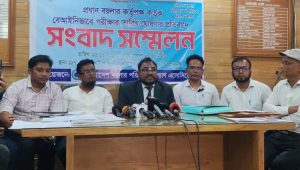
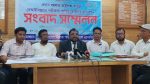
Announcing the demands at a press conference at the party’s central office, Secretary General Mia Golam Porwar called for investigations into the allegations and punishment for those found responsible.
The party also demanded publication of the criteria used to evaluate dealers and issue licences, investigation of allegations that money was exchanged for dealerships, disclosure of the basis of statements made by the state minister for local government regarding the fertiliser shortage, publication of explanations from the authorities concerned and updates on investigations, and verification of allegations based on evidence before assigning responsibility.

Porwar alleged that qualified businesses were being excluded while leaders and activists of the ruling BNP and their relatives were being awarded dealerships. He also claimed that appointment criteria, including business experience, financial capacity and warehouse ownership, were not properly followed.



Citing media reports, he alleged that dealerships had been awarded in exchange for money in some cases, fake warehouses had been shown, people from outside the areas concerned had been appointed, and multiple members of the same family had received dealerships.
The Jamaat leader said reports of fertiliser shortages, sales above government-set prices and farmers’ suffering continued to emerge despite assurances from the government that fertiliser stocks were sufficient.
He also criticised the state minister for local government over remarks on the fertiliser shortage. He claimed that although Jamaat was being blamed for the fertiliser shortages in constituencies represented by its lawmakers, reports of similar shortages and farmers’ suffering had also emerged from at least 14 constituencies represented by BNP lawmakers.
Porwar also called on the government to take effective measures to address shortages of fertiliser, oil, gas and electricity, as well as rising commodity prices, saying these issues were affecting farmers and increasing the cost of living.