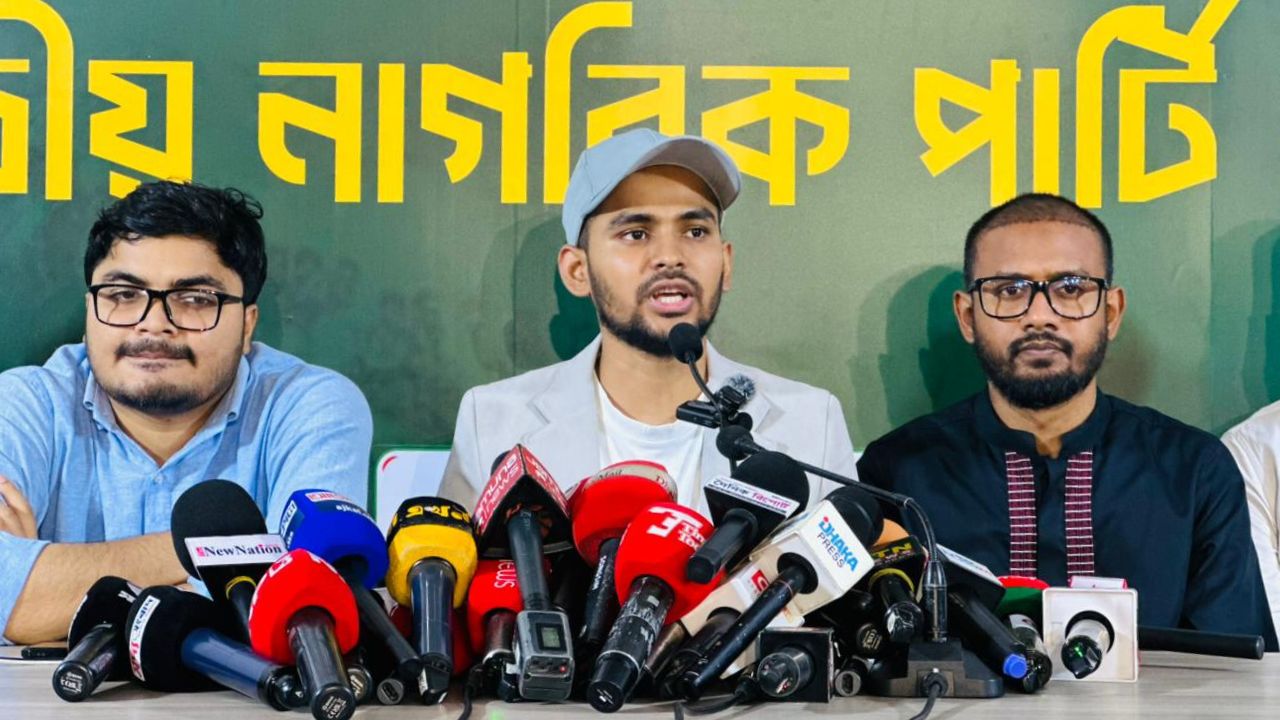
Tamim Iqbal, along with several other high-profile candidates, has withdrawn from the Bangladesh Cricket Board (BCB) elections on Wednesday, citing direct government interference and a lack of transparency in the electoral process.
The former national team captain described the election as “predetermined” and “manipulated,” accusing those in charge of eroding the spirit of the game.
The mass withdrawal comes at a time when there was widespread hope that the new interim government would finally bring an end to the long-standing political interference in cricket. Instead, these developments suggest the sport is now more deeply entangled in politics than ever before.
And make no mistake — with headlines like these, Bangladesh cricket continues to grab attention for all the wrong reasons, while the most important aspect — their on-field performance — remains sidelined.
Just days ago, a public spat between Bangladesh’s star all-rounder Shakib Al Hasan and Sports Affairs Adviser Asif Mahmud Shojib Bhuiyan grabbed headlines and sent shockwaves through the cricketing world.

The controversy erupted after Shakib posted a birthday wish for ousted prime minister Sheikh Hasina on Facebook. This led to a heated exchange between Shakib and Asif Mahmud, culminating in Asif’s public declaration that Shakib would “never again be allowed to wear the Bangladesh jersey.”
As the story unfolded, major international outlets too reported on it, reinforcing concerns that the BCB lacks independence and is heavily influenced by political forces.
With the country’s sports adviser openly dictating future player selection, many are afraid that Bangladesh now could very well risk breaching International Cricket Council (ICC) regulations, which strictly prohibit government interference in cricket boards — a violation that could potentially lead to suspension of its membership. But even if something so drastic does not happen, the image crisis Bangladesh cricket has suffered overseas owing to this episode will be hard to wear off.




Bangladesh’s on-field performance continues to be overshadowed by other off-field dramas as well — most notably the impending BCB elections. Even during the recently concluded Asia Cup T20 tournament, the spotlight shifted away from cricket to politics, with several national cricket stars sharing identical messages across social media platforms.
While those actively participating in the Asia Cup refrained from directly joining the online campaign, it’s not hard to imagine that the political turmoil surrounding the boardroom infiltrated their daily conversations and impacted their mental focus. In a high-pressure tournament like the Asia Cup, such distractions can prove costly — and it’s fair to say this off-field chaos likely played a part in Bangladesh’s underwhelming performance.
Of course, this deep politicisation of Bangladesh cricket is nothing new. It has long been intertwined with the country’s political landscape — especially during the 16-year tenure of Sheikh Hasina’s Awami League government.
This influence was particularly pronounced under the leadership of former BCB presidents Nazmul Hasan Papon and AHM Mustafa Kamal, who exercised tight control over nearly every cricketing decision.
But when the interim government took over last year and reform became the buzzword, hopes ran high for a positive overhaul of the cricket administration that would translate into better on-field results. Yet, more than a year later, not only has little changed, but the situation appears to have deteriorated.
After the interim government took charge, Faruque Ahmed was appointed as the new BCB president. However, his tenure was short-lived. His ongoing clashes with the sports adviser became a focal point of controversy, ultimately hindering the progress of Bangladesh cricket.
Even after Faruque Ahmed’s departure and Aminul Islam Bulbul’s appointment as president, the situation saw little improvement. Instead, a fresh conflict erupted between Bulbul’s pro-government faction and the pro-BNP camp backing Tamim Iqbal, deepening the divisions within the board. As the BCB elections drew nearer, tensions only escalated further.
This standoff underscores a harsh reality: even when genuine cricketing legends are involved in the talks of Bangladesh cricket’s development, it remains deeply vulnerable to dirty politics.
For the first time in BCB history, two former cricketing icons went head-to-head in the race for the presidency — an opportunity that could have been a proud and inspiring milestone for the nation’s cricket. Instead, the events that followed reduced the election to a mockery, marred by political interference, personal rivalries, and a complete erosion of transparency and sporting integrity.
Amidst this politically charged environment, genuine reform within Bangladesh cricket remains as distant as ever.
Over the past year, the national team has seen little to no meaningful progress on the field, with their recent failure to make it to the final of the Asia Cup showing they still have a long way to go. At the same time, deep-rooted structural issues continue to fester without resolution, leaving the cricketing setup stuck in a cycle of underachievement and internal dysfunction.