From a quiet village where fire shapes almost every dish to theatrical kitchen and experimental dining spaces, the world’s best restaurants offer far more than an exceptional meal. They tell stories through ingredients, traditions, techniques and bold culinary ideas.
The 2026 global ranking brings together 10 restaurants across Europe, Asia and Latin America, each with its own interpretation of fine dining. While some celebrate regional ingredients and centuries-old cooking traditions, others challenge conventional ideas of how food should look, taste and be experienced.
Here is a closer look at the restaurants earning global recognition.
Asador Etxebarri, Spain
Tucked away in a quiet Basque village between Bilbao and San Sebastian, Asador Etxebarri has built its reputation around one deceptively simple element – fire.
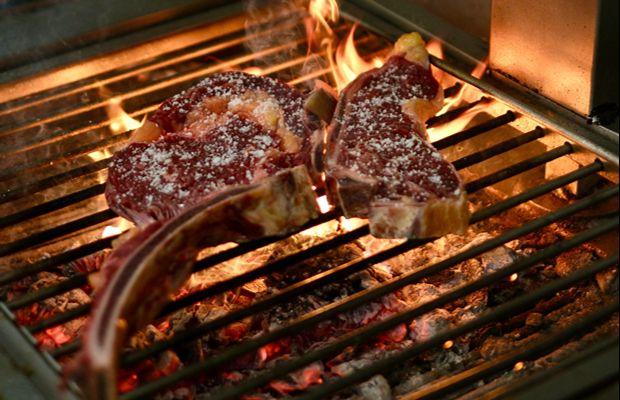
For chef Bittor Arguinzoniz, the fascination began at home, watching his mother and grandmother cook over an open hearth. He has turned that childhood influence into a distinctive culinary philosophy, using custom-made grills to bring out the natural flavours of ingredients.
His 14-course tasting menu features house-made chorizo, seasonal baby eels, sea cucumber, grilled red Palamós prawns and fresh mozzarella made from his own buffalo milk.
Gaggan, Thailand
In Bangkok, Gaggan turns dinner into a theatrical experience. It reflects chef Gaggan Anand’s unconventional approach to progressive Indian cuisine.
Born in Kolkata, Anand began his culinary journey after working with the Taj hotel group and training alongside Ferran Adrià at El Bulli.


Anand, a former rock drummer, brings the same experimental spirit to his kitchen, blending French, Thai and Japanese influences with Indian culinary traditions.
The intimate 14-seat chef’s counter breaks away from conventional fine-dining etiquette. Menus use emojis, diners are encouraged to eat with their hands, and a phone ban aims to keep attention on the food and company.
Alchemist, Denmark
Behind two-tonne bronze doors in a former Copenhagen shipyard, Alchemist offers a dining experience that challenges almost every conventional expectation of a restaurant.
Led by head chef Rasmus Munk and pastry chef Ainhoa Fontoba, it presents 50 impressions across several acts, combining food, scientific research, classical techniques and dramatic projections beneath a massive dome.

Some creations are designed to provoke thought as much as appetite. “Food for Thought” features freeze-dried lamb’s brain, while “Tongue Kiss” presents beef tartare as an unusual edible experience. Beyond the kitchen, Munk supports initiatives addressing homelessness in Copenhagen and improving access to clean water in Africa.
Quintonil, Mexico
At Quintonil in Mexico City, chef Jorge Vallejo and hospitality director Alejandra Flores have built a restaurant around contemporary Mexican cuisine and a strong connection to local produce.


Since opening in 2012, the restaurant has focused on bringing regional ingredients into modern dishes. Its commitment to sourcing is reflected in an urban garden just 30 metres from the kitchen.

The tasting menu takes diners through a range of flavours, from roasted duck with coconut manchamanteles mole to wild mushroom chileatole soup. Desserts include melipona bee honey ice cream with papaya and lavender marmalade.
At the open-kitchen counter, diners can also encounter tacos made with grasshoppers and chicatana ants.
Wing, Hong Kong
At Wing, chef-owner Vicky Cheng brings together two culinary worlds – French classical cooking and China’s eight great regional cuisines.
Located one floor below his debut restaurant Vea, Wing grew out of an invite-only midnight-supper test kitchen. Cheng’s approach combines years of French culinary experience with a contemporary interpretation of Chinese food.
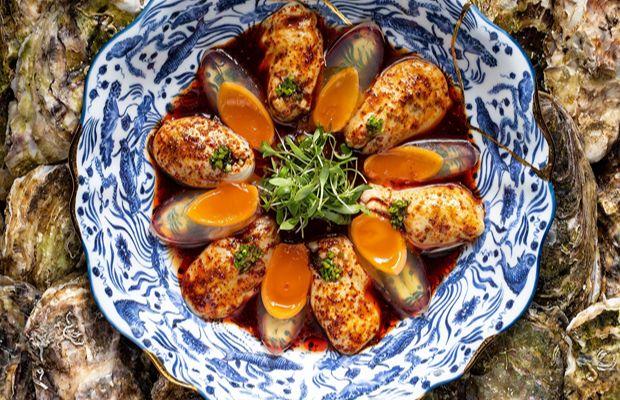
Among its standout creations is dry-aged crispy Cantonese chicken, which took more than 80 trials to perfect. Other dishes include smoked pigeon with sugarcane and braised sea cucumber served in a puffed spring roll. A fruit trolley featuring premium mangoes, guavas and other tropical delicacies provides a fitting finish.
The Chairman, Hong Kong
While many fine-dining restaurants compete through elaborate presentation, The Chairman in Hong Kong takes a different path, it puts Cantonese cooking first.
Owned by Danny Yip and led by head chef Kwok Keung Tung, the restaurant draws on Chinese culinary history and extensive ingredient research rather than fleeting food trends.
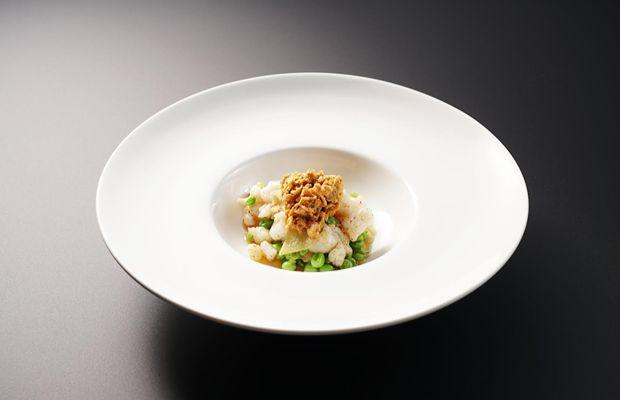
Its signature dishes include camphor wood-smoked black-foot goose, steamed flowery crab and pickled ginger with century egg. Wok-seared mud crab with preserved black beans and olive greens also reflects its commitment to traditional flavours.
Kjolle, Peru
In Lima, Kjolle reflects chef Pía León’s commitment to Peru’s extraordinary natural produce. León and her team spend months researching how to use every part of an ingredient while preserving its natural flavour and reducing waste.
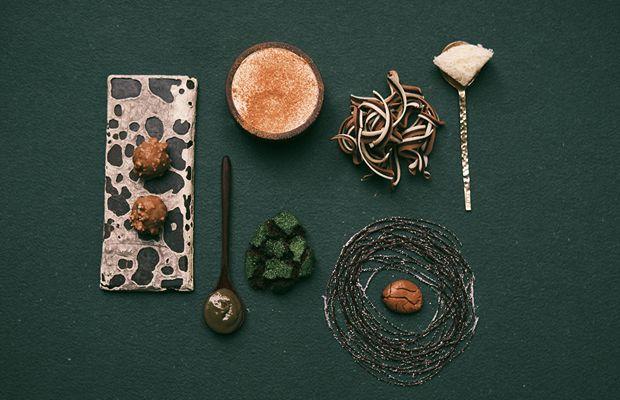
The menu features toasted yellow and red olluco, scallops and sea urchin with Brazil nut and airampo cactus, and cow rib paired with corn, tumbo and mochero chilli.

The restaurant’s identity also extends beyond its food, with collaborations involving Peruvian artists and artisans who create bespoke ceramics, glassware and interior elements.
Kadeau, Denmark
Copenhagen’s Kadeau draws much of its identity from the Danish island of Bornholm, where its culinary journey began in 2011.
Chef and co-owner Nicolai Nørregaard has carried that connection into the capital, building a menu around New Nordic cuisine, seasonal produce and traditional preservation techniques.
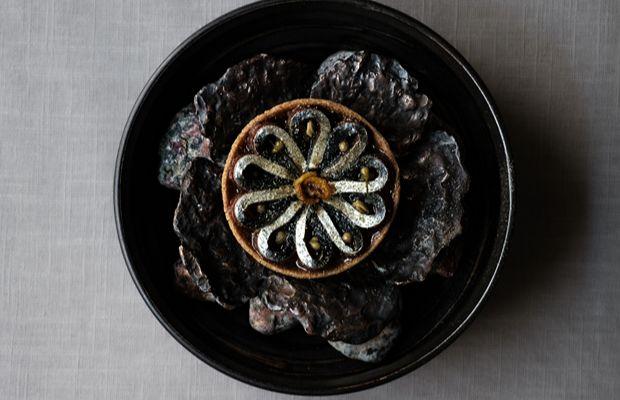
Its garden on Bornholm supplies much of the restaurant’s plant-based ingredients, while smoking and fermentation bring depth to its dishes.
Guests can expect house-smoked salmon, Icelandic clam with cultured cream and kohlrabi, and scallops wrapped in fruit leather made from strawberry, rosehip and plum. Grilled blue lobster with bisque and wild garlic capers is another highlight.
Diverxo, Spain
In Madrid, Diverxo is where chef Dabiz Muñoz turns culinary experimentation into theatre. Since opening in 2007, the restaurant has become known for combining Asian influences, unusual flavour pairings and imaginative presentation.

The dining room carries the restaurant’s playful spirit, with flying-pig artwork inspired by a childhood remark from Muñoz’s father that he would succeed only when pigs could fly.
Its tasting menu features dishes such as pigeon with sherry, aged Pyrenean trout nigiri, Japanese paella and roasted caviar with vindaloo curry and Greek yoghurt.
Plénitude, France
Overlooking the River Seine from inside the historic La Samaritaine building in Paris, Plénitude makes sauces the centrepiece of its culinary identity.
Chef Arnaud Donckele treats bouillons, consommés, sabayons and vinaigrettes as essential components rather than finishing touches. The six-course tasting menu includes sardine with green Eden sauce and langoustine accompanied by an airy sabayon.
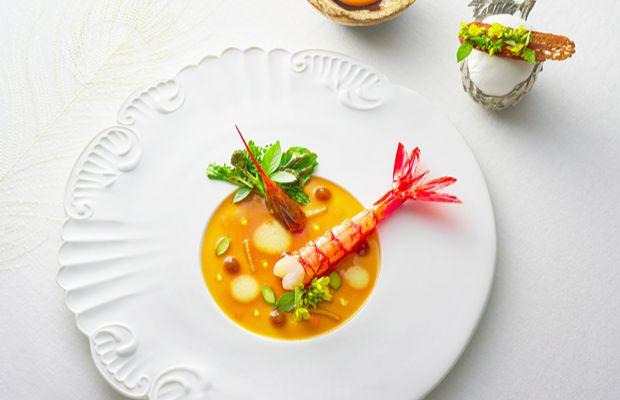
The experience extends beyond the dining table. Restaurant director Alexandre Larvoir arranges visits to the wine cellar, a course inside the kitchen and a visit to a hidden cheese cave, where guests can select artisanal cheeses and vintage plateware.