


India’s youth-led “Cockroach Janta Party” movement has moved from social media campaigns to street protests, with activist Sonam Wangchuk continuing a hunger strike for a third week to press demands for education reforms and accountability.
The demonstrations, which began over alleged leaks in competitive college entrance examinations, are now challenging Prime Minister Narendra Modi’s government over its response to students’ concerns, reports AP.
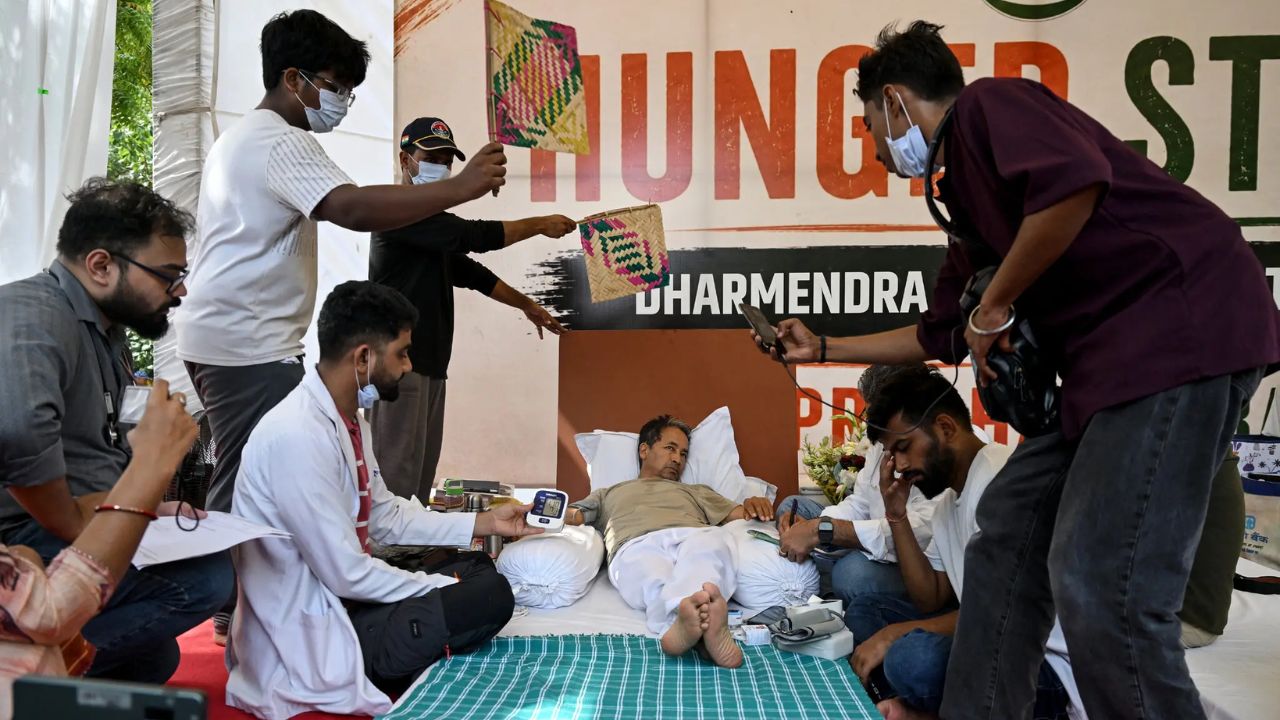
The protest camp in New Delhi has become the centre of the movement, where Wangchuk, 59, has been staying inside a tent while supporters monitor his declining health. Organisers accuse the government of ignoring their demands, including the resignation of Education Minister Dharmendra Pradhan.
Student demonstrators have spent nights under the open sky at the camp, gathering around Wangchuk as he continues his fast. The climate activist said the hunger strike was a peaceful alternative to street unrest.
“If not fasting, what? Riots in the streets? That’s what we don’t want to do. So this is a peaceful way to take your voice to the government,” Wangchuk said.

The movement began in May after Supreme Court Chief Justice Surya Kant compared some unemployed young people to “cockroaches” during a hearing on an unrelated matter. Supporters adopted the term as a symbol of resilience and turned it into a satirical online campaign. Within days, the movement attracted more than 21 million followers on Instagram.
It has since developed into a wider campaign demanding reforms to India’s examination system, the education minister’s resignation over alleged exam leaks, and compensation for families of students who died by suicide linked to academic pressures or examination outcomes.




For many young Indians, a single entrance examination can determine access to government jobs and medical colleges, making concerns over exam integrity particularly sensitive.
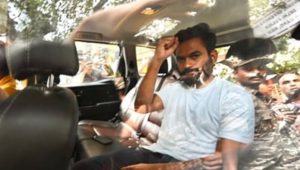
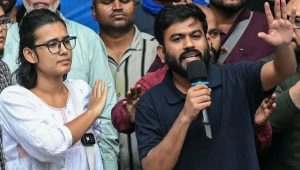
Abhijeet Dipke, a Boston University student and founder of the Cockroach Janta Party, said online support had translated into growing participation on the ground. He said thousands of supporters had attended university protests and rallies in different cities after the movement’s first major demonstration in New Delhi in early June.
The involvement of Wangchuk, a prominent climate activist, has also widened the movement’s appeal beyond students and education activists. Opposition politicians from several parties and some Bollywood celebrities have visited the protest site or expressed support in recent days.
Organisers say the campaign has expanded into a broader demand for accountability and a restoration of trust in institutions, including the judiciary, political system and media.
“The system needs a complete overhaul because the current system is no longer accountable or even taking basic responsibility,” Dipke said. However, the government has not opened talks with protesters or publicly addressed their demands. The education ministry did not respond to questions from The Associated Press.
Senior government figures have largely dismissed the movement. The education minister accused its members of working against the country, while other officials said students’ concerns should be considered but negotiations with protesters were unnecessary.
Organisers said the government’s silence had strengthened their determination as Wangchuk’s hunger strike continued. “In a democracy the government is supposed to listen to the people, to have a dialogue with the people, and more importantly to be answerable to the people. I don’t know why the government isn’t doing that,” Dipke said.
Wangchuk said his protest was aimed at demanding accountability from the government through peaceful civil disobedience. “It’s to demand accountability, which is important in any government,” he said.
Organisers are preparing a march to Parliament on Monday to take their demands directly to lawmakers. Wangchuk said they hoped the government would respond to peaceful methods rather than wait for unrest.
Dipke said protesters were prepared to continue their campaign for as long as necessary. “The government was thinking that maybe if they ignore us: These are kids, they will go back home. But I think we have proved that we are here for the long battle, and we are not going to go back home,” he said.