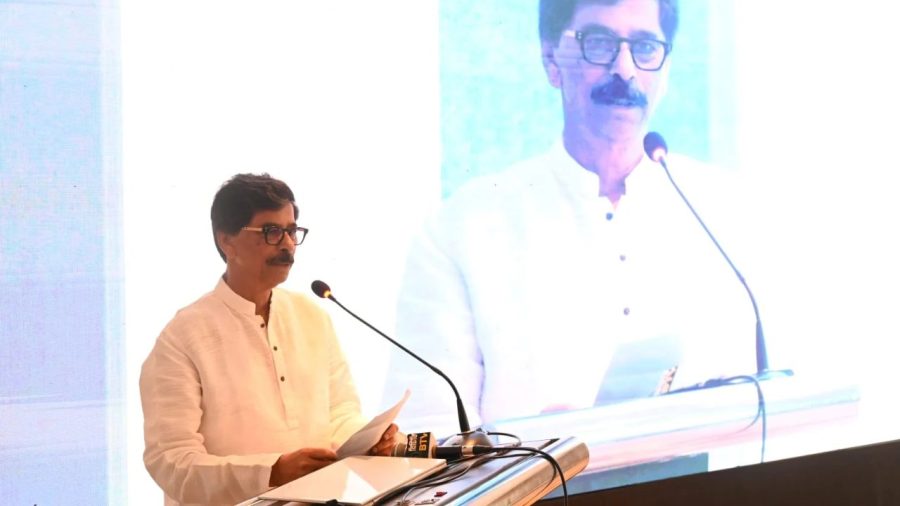

Hilsa is an integral part of Bangladesh’s national identity, heritage, and food culture, as well as a vital source of the economy, livelihoods, food, and nutrition security for millions of people.
Therefore, along with hilsa conservation initiatives, equal importance must be given to protecting the livelihoods, dignity, and future of fishers, Mohammad Amin Ur Rashid, minister for fisheries and livestock and agriculture, said on Friday.
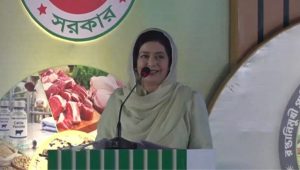
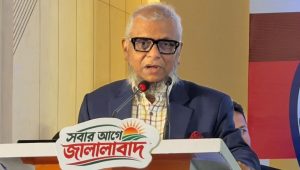
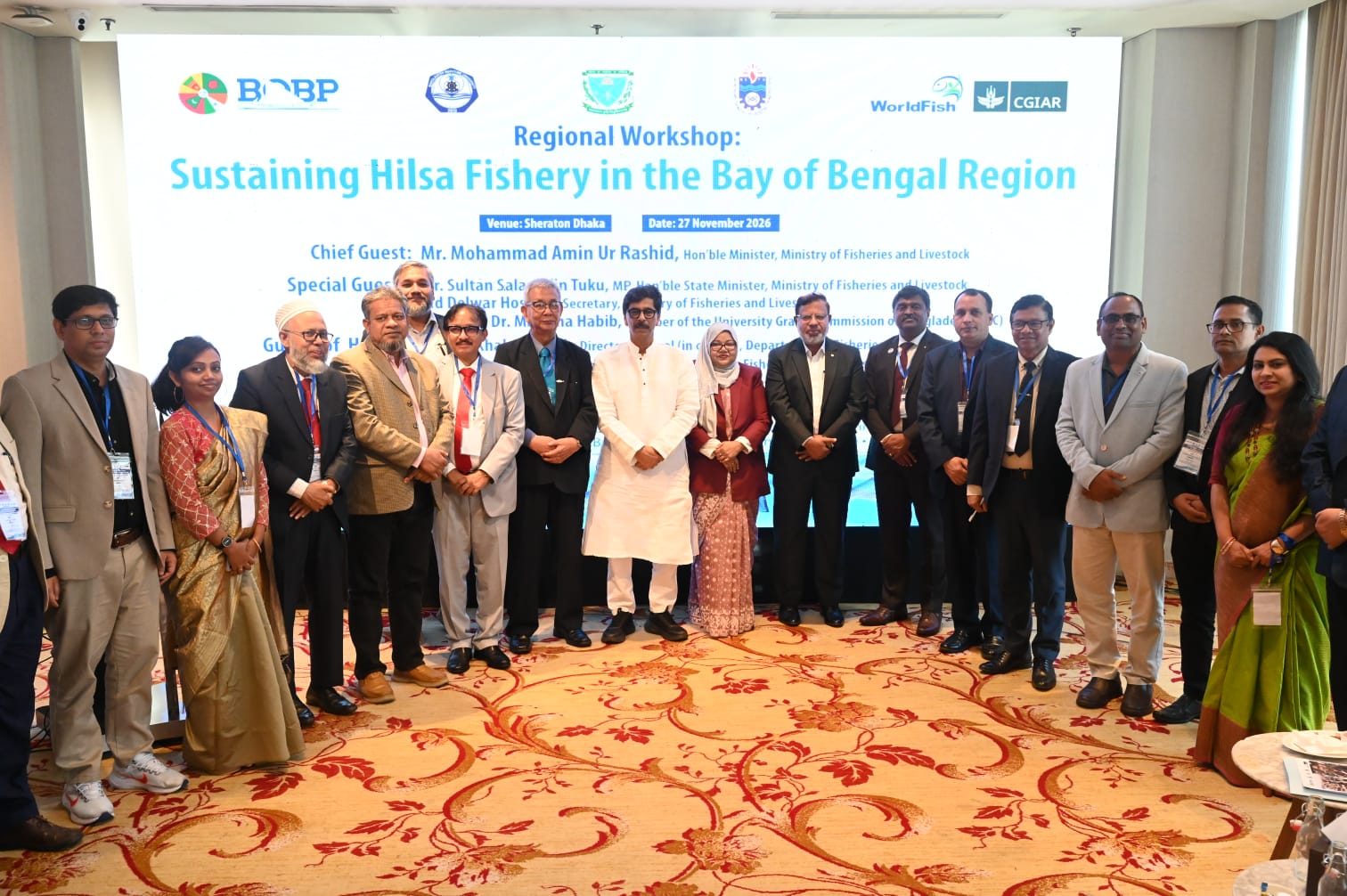
He made the comments while speaking as chief guest at a workshop titled “Regional Workshop: Sustaining Hilsa Fisheries in the Bay of Bengal Region” held at Sheraton Dhaka hotel in Banani.
The minister highlighted that the annual economic value of the hilsa sector is approximately $3 billion, involving fishing families, traders, transport workers, and processors across the value chain.

He added that conservation efforts have been given an institutional foundation through the establishment of hilsa sanctuaries, fishing bans during breeding seasons, and social security programmes for fishers.
According to the minister, hilsa management must be science-based, integrated, and adaptable to changing environmental conditions.
Reliable data is required regarding hilsa stocks, breeding areas, migration routes, ecological conditions, water flow, and climate impacts.




He pointed out that during field-level work, differences were observed between scientists’ research findings and the generational experience of river and sea-dependent fishers.
Integrating research-based knowledge with the practical experience of fishers will make hilsa management far more effective.


Addressing the livelihoods of fishers, the minister explained that while fishing bans are essential for hilsa breeding and conservation, many fishing families face a complete loss of income during these periods.
Consequently, timely social security support, alternative employment opportunities, and financing on easy terms must be ensured.

He added that the current government is prioritising the formulation of necessary policies taking these matters into consideration.
Moreover, fishers are often unable to sell their catch directly due to middlemen and Dadon-based advance loan systems, which harms fishers and forces consumers to pay higher prices.
Effective policy formulation and implementation initiatives are currently underway to address this situation.
The workshop was attended by Md Delwar Hossain, secretary to the Ministry of Fisheries and Livestock; Md Khaled Kanak, director general of the Department of Fisheries; Prof Masuma Habib, member of the University Grants Commission (UGC) of Bangladesh; P Krishnan, director of the Bay of Bengal Programme Inter-Governmental Organisation; Md Latiful Islam, director general of the Bangladesh Fisheries Research Institute; Khin Maung Soe, former national programme advisor of WorldFish Myanmar; and ATM Faruk-ul-Islam, country representative of WorldFish Bangladesh.