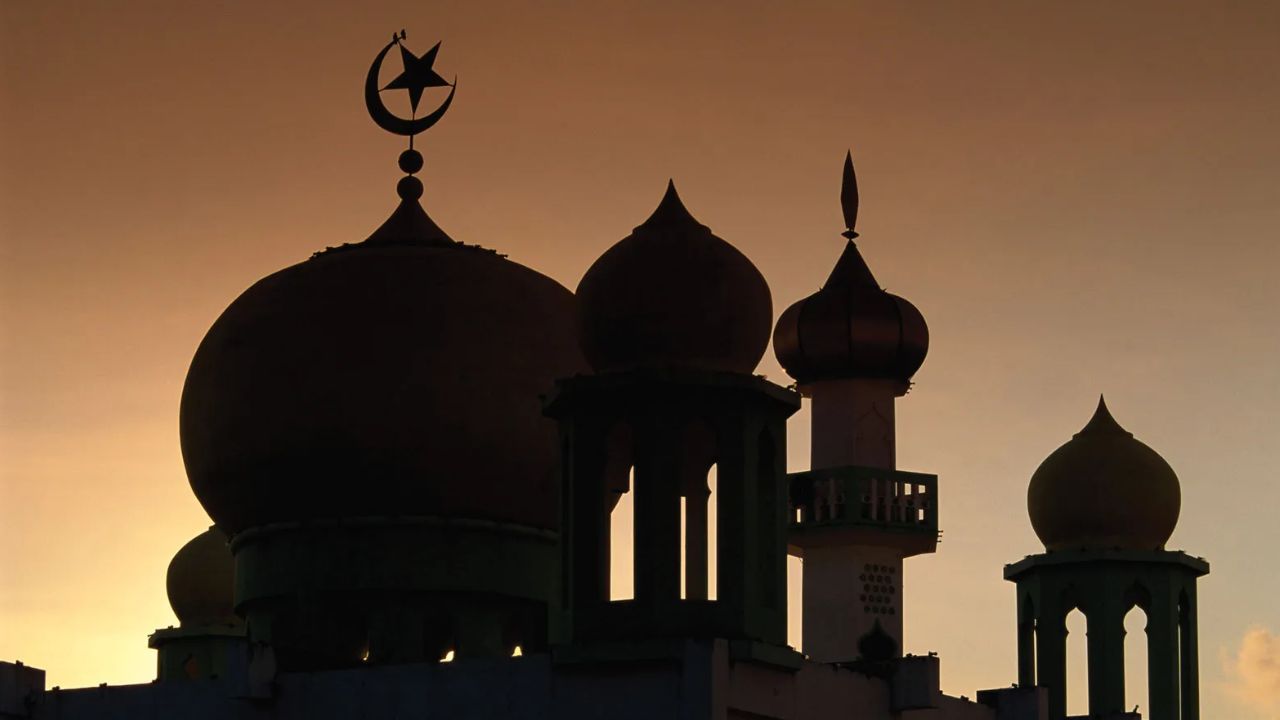

The government is set to provide monthly honorariums to 2,56,074 religious leaders and workers serving at 86,709 mosques, temples, churches and monasteries across the country.
Prime Minister Tarique Rahman is expected to formally inaugurate the second phase of the programme at Kushtia Sadar on December 2, Prime Minister’s Adviser on Public Administration Md Ismail Zabiullah disclosed the information to Bangladesh Sangbad Sangstha (BSS).
The government plans to bring all religious institutions in the country under the programme in phases within the next four fiscal years to ensure their financial security while providing state recognition of their social status and contributions, he said.
“The initiative to introduce monthly honorariums and a training-based welfare system for religious leaders and service workers has been taken as part of the implementation of the government’s election manifesto,” Zabiullah added.
He said a total of 86,709 religious institutions, including 82,656 mosques, 3,000 temples, 752 Buddhist monasteries and 301 churches, would be covered under the second phase of the programme, benefiting 256,074 religious leaders and workers serving there.
Under the prescribed structure, an imam of a mosque will receive Tk 5,000 per month, a muazzin Tk 3,000 and a khadem Tk 2,000.

“Religious personnel serving at temples, churches and Buddhist monasteries will also receive government assistance under the programme,” he noted.
The adviser said many religious leaders in remote areas perform their duties with very limited financial benefits, and the government hopes that providing them with regular honorariums will bring some relief to their livelihoods.
It may be mentioned that on March 14 this year, Prime Minister Tarique Rahman inaugurated the programme as a pilot project at the Osmani Memorial Auditorium in the capital, bringing 13,949 religious service workers from 6,017 religious institutions across the country under the initiative.
Officials said the decision to expand the programme was taken later based on the experience of the pilot project.




The prime minister is also expected to hand over honorariums to religious leaders in Gobindaganj of Gaibandha on December 5, Sunamganj on December 12 and Pabna on December 21, Ismail Zabiullah said.
Officials concerned said technology-based measures had been adopted to ensure transparency and accountability in the distribution of honorariums, as payments would be made through a Government-to-Person (G2P) system using Management Information System (MIS) software.
After collecting and verifying beneficiaries’ information, the money would be transferred to their bank accounts through Electronic Fund Transfer (EFT) or Mobile Financial Services (MFS), they said.
The honorarium would be deposited into beneficiaries’ personal bank accounts or mobile financial service accounts, leaving no scope for intermediaries and reducing the risk of corruption and irregularities.
Officials said a memorandum of understanding had been signed among the Ministry of Religious Affairs, the Ministry of Social Welfare and the Department of Social Services to implement the programme.


Preparations have been made to deliver honorariums for the period from July to September to beneficiaries at the initial stage.
Regarding the selection of beneficiaries, the Prime Minister’s public administration adviser said transparency and impartiality had been given the highest priority.
“The respective upazila nirbahi officers (UNOs) had been assigned to prepare lists of selected religious institutions and their responsible personnel. Two other distinguished persons were assisting them in preparing the lists,” he said.
He added that no political involvement had been allowed in selecting institutions or preparing the lists.

The adviser said there were currently 347,339 religious institutions in the country, including 331,125 mosques, 12,000 temples, 3,010 Buddhist monasteries and 1,204 churches.
The regular allowance programme is expected to play an important role not only in providing financial assistance to religious personnel but also in promoting religious harmony, social security and equal rights in the country.
Religious institutions play a role at the local level in moral education, social awareness, humanitarian assistance and promoting harmony. Ensuring the financial security of their responsible personnel would create opportunities for them to contribute more effectively to social activities.
However, successful implementation of the programme requires preparing lists of genuine, duty-performing personnel, verifying information, ensuring regular disbursement and maintaining effective monitoring to prevent irregularities.
Field-level supervision is particularly necessary to ensure that religious institutions in remote areas are not excluded due to administrative complications.
It may be mentioned that a special cell was formed at the initiative of the Prime Minister’s Office to ensure proper implementation of the honorarium programme for religious leaders and service workers.
The government has allocated a total of Tk 1,100 crore for the 2026-27 fiscal year to implement the programme.