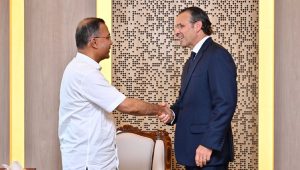
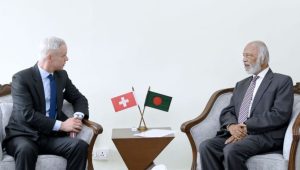
Highlighting the dual burden of global economic volatility and the protracted Rohingya crisis, Finance and Planning Adviser Rashed Al Mahmud Titumir has called for strengthened cooperation with UN Women to protect and empower women and girls in Bangladesh.
In a meeting on Wednesday with Nyaradzayi Gumbonzvanda, UN assistant secretary-general and UN Women deputy executive director, the adviser noted that Bangladesh is navigating a complex landscape of global conflicts, economic instability, energy insecurity, and supply chain disruptions.
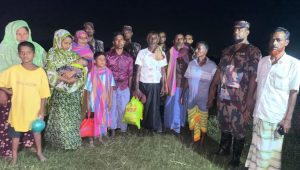
He emphasised that the country continues to host more than 1.2 million Rohingyas on humanitarian grounds, a commitment that exerts significant economic, environmental, and security pressures.

The adviser urged UN Women to increase its engagement to facilitate the early repatriation of the Rohingya population to Myanmar. He stressed that it is essential to ensure that, upon their return, women and girls can live in safety and dignity, enjoy their rights, and access sustainable livelihood opportunities.
Addressing the nation’s economic constraints, Titumir observed that ongoing global crises have significantly restricted Bangladesh’s fiscal space, while stricter lending conditions from international financial institutions have limited access to grants and concessional financing.
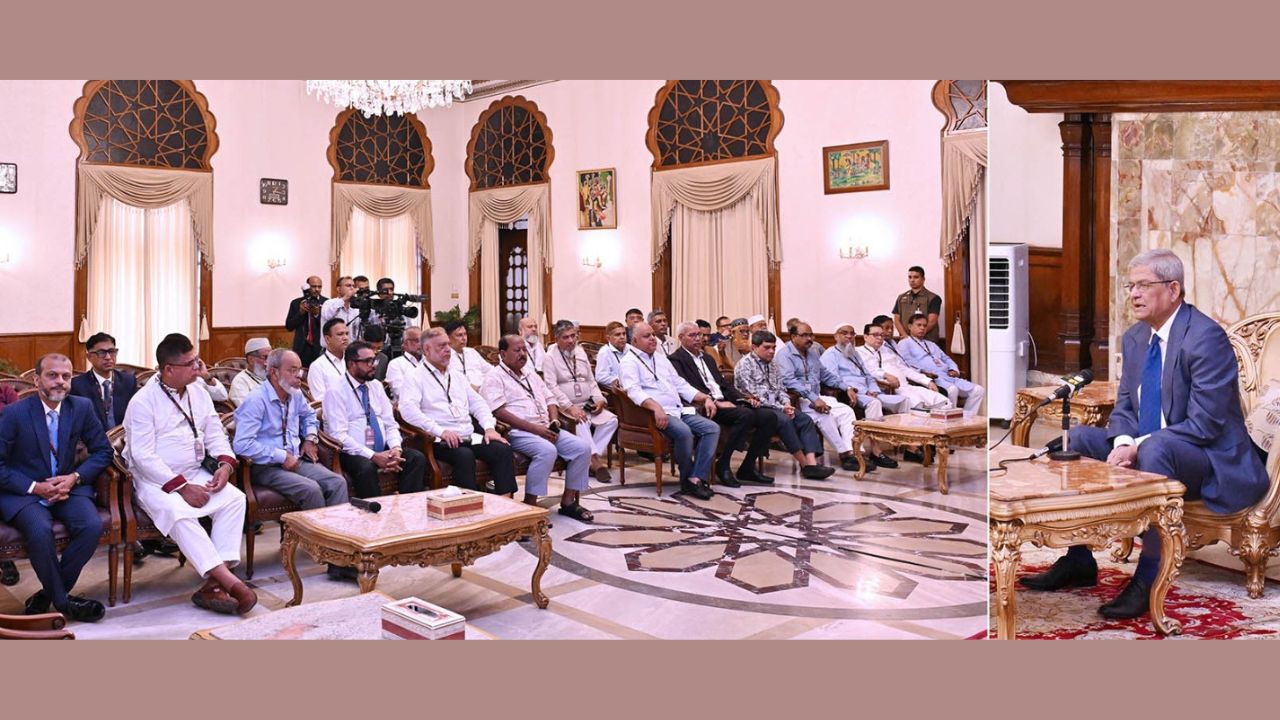



Titumir underscored the necessity of expanded UN Women support to reinforce inclusive social protection and empowerment initiatives.
He outlined the government’s women-centred development agenda under the leadership of Prime Minister Tarique Rahman, citing Family Card as a key initiative.
He also highlighted the provision of free education for girls up to the postgraduate level, expanded reproductive and mental health services, and the planned universal life-cycle-based social protection system.
In response, Gumbonzvanda commended Bangladesh’s progress in advancing gender equality, describing Family Card as an innovative women-centred social protection programme.
Recalling her visit to Cox’s Bazar, she praised Bangladesh’s humanitarian commitment and reaffirmed UN Women’s continued partnership in promoting gender equality, women’s economic empowerment, social protection, and the Women, Peace and Security agenda, alongside ongoing efforts to address the Rohingya crisis.