Fisheries, Livestock and Agriculture Minister Mohammed Aminur Rashid has pledged that the government will work to remove all obstacles, including high freight charges, to facilitate the export of Bangladeshi mangoes.
Speaking at the inauguration of a mango export event organised by the Exportable Mango Production Project (EMAPP) under the Department of Agricultural Extension (DAE) at the Bangladesh Agricultural Research Council (BARC), the minister said, “The present government, in line with its electoral manifesto, will expand all facilities, including reducing exorbitant freight charges on agro-product exports, to ensure smoother trade.”
He noted that although Bangladeshi mangoes are considered superior in taste to those from Thailand and Pakistan, export volumes have not grown due to policy and legal complications.
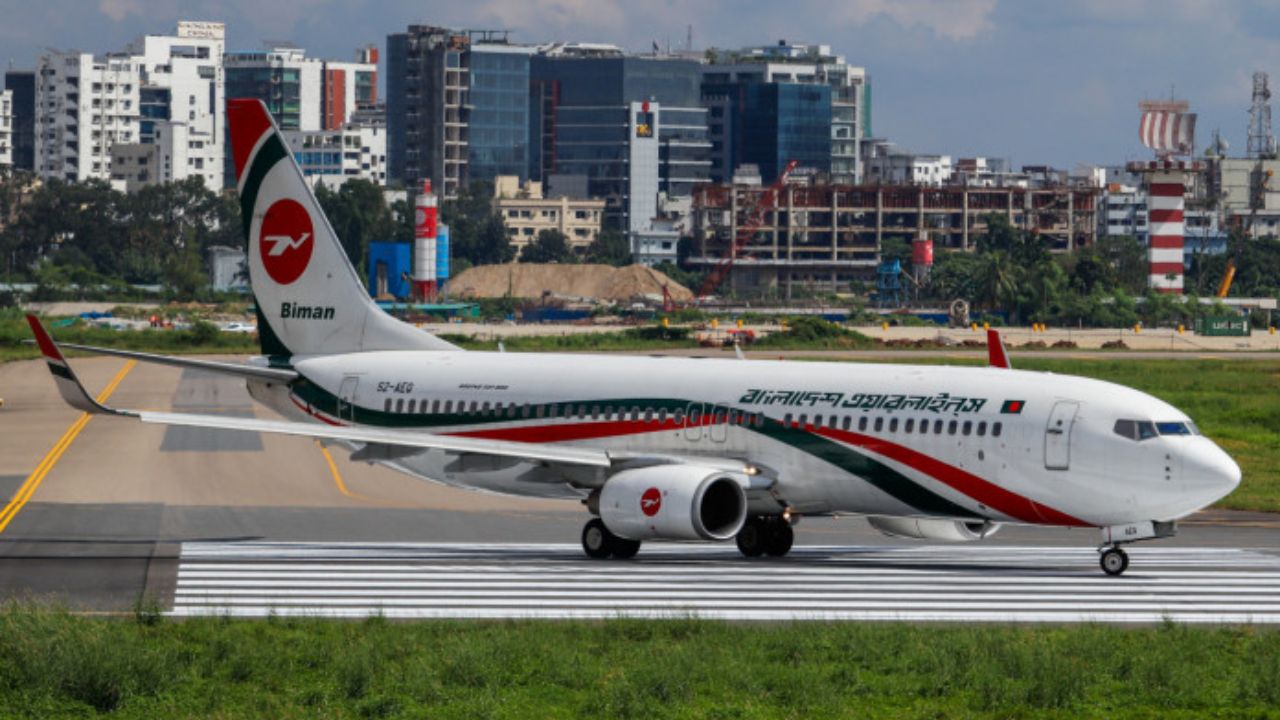
Highlighting the high freight charges as a key challenge, he said, “Air transport is the only viable option for exporting agro commodities abroad, so we must find a solution to these costs.”

Bangladesh ranks seventh among mango-producing countries globally, yet exports account for less than 1 per cent of the annual 2.5–2.7 million tonnes of local production due to insufficient infrastructure from farm to airport.
Agriculture Secretary Dr Rafiqul E Mohamed attended as guest of honour, while Additional Secretary Selim Khan spoke as special guest. The DAE Director General M Abdur Rahim presided over the event, and EMAPP Project Director Arifur Rahman presented the keynote paper.



Minister Rashid highlighted government initiatives to support farmers, including the Farmer Card, Family Card, and canal excavation programmes, noting that these are interconnected with agriculture development. He urged scientists to enhance mango colour and shelf life while preserving the gene of original varieties to meet global market demands.
Arifur Rahman said the government is promoting mango export through Good Agricultural Practice (GAP), noting that of the 72 varieties, only seven or eight are exported, with Amrapali alone accounting for 80 per cent of shipments. Other exported varieties include Himsagar, Langra, BARI-4, and Fajli.
He acknowledged challenges, particularly high air freight costs, which limit Bangladesh’s export potential. Mohammad Mansur, General Secretary of the Bangladesh Fruits, Vegetables and Allied Products Exporters Association, added that freight costs had risen two to three times last year, reducing exports. He highlighted infrastructure gaps, such as the absence of vapour heat treatment facilities, and stressed the need to transport produce to airports within eight hours to prevent quality deterioration.
Rahman also noted the importance of government support in establishing modern processing and treatment plants to improve both quality and volume of exports.
In 2025, Bangladeshi mangoes reached 26 countries, with the UK importing the largest volume at 686 tonnes, followed by Saudi Arabia with 356 tonnes, Italy with 264 tonnes, Kuwait with 167 tonnes, and Qatar with 163 tonnes. China joined as a new destination, importing 5 tonnes.
“Bangladeshi mangoes may not always look perfect, but their taste is superior; this is why demand is so strong,” Rahman said.