






The war in Iran feels distant. But its shadow is quietly reaching Bangladesh’s tourism sector. As tensions continue around the Strait of Hormuz, global fuel supply has tightened. Oil shipments are slowing while prices are rising. Transport costs are climbing, and tourism in Bangladesh is beginning to feel the pressure.
Travel, once a simple escape, is slowly turning into an expensive decision. Across the country, popular destinations are struggling to keep moving. From the Sundarbans to Sajek, from Tanguar Haor to Nikli Haor, the story is the same. Fuel shortage is changing the rhythm of tourism.

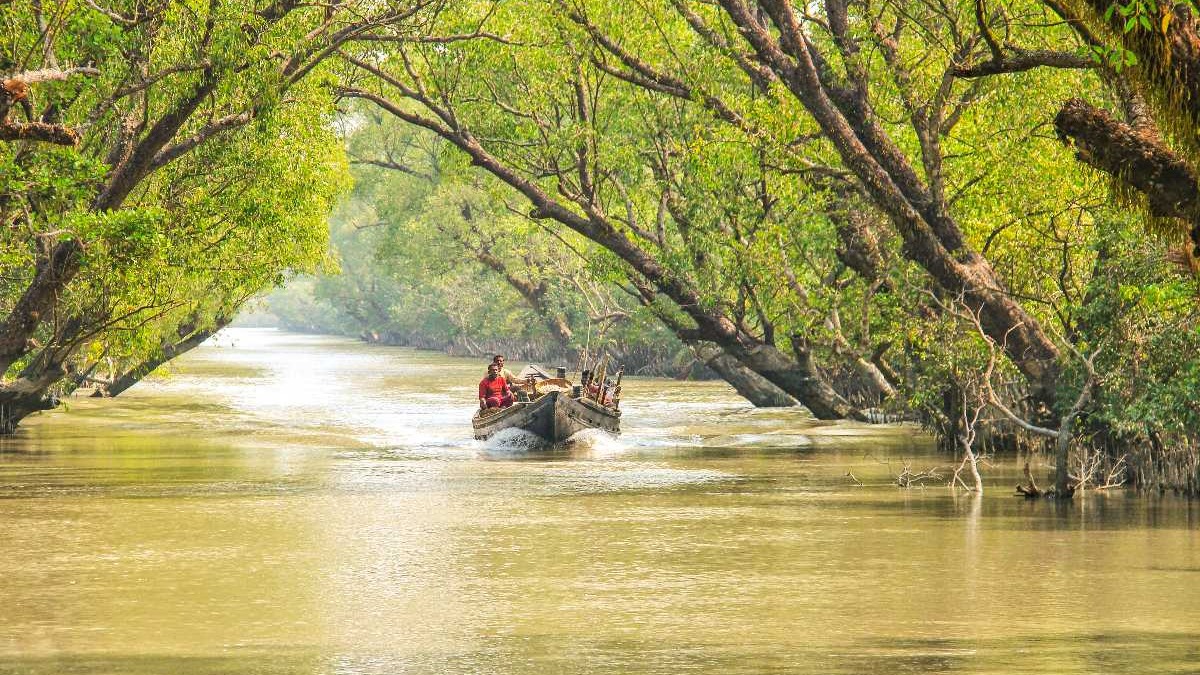
In the Sundarbans, ships and tourist vessels depend heavily on diesel. Without fuel, movement slows down. Trips are delayed, and tour schedules become uncertain. Tour operators are trying to manage the situation, but every journey now costs more than before. A peaceful river cruise is no longer as easy to arrange as it once was.


In Tanguar Haor, the crisis is clearly visible. Boats and houseboats run on fuel, and rising diesel prices have pushed rental costs higher. Tourists hesitate before booking, while local boat operators worry about fewer visitors. Many say that even maintaining regular trips is becoming difficult. Tourism in water-based destinations depends on fuel, and the shortage is slowly reducing travel activities.
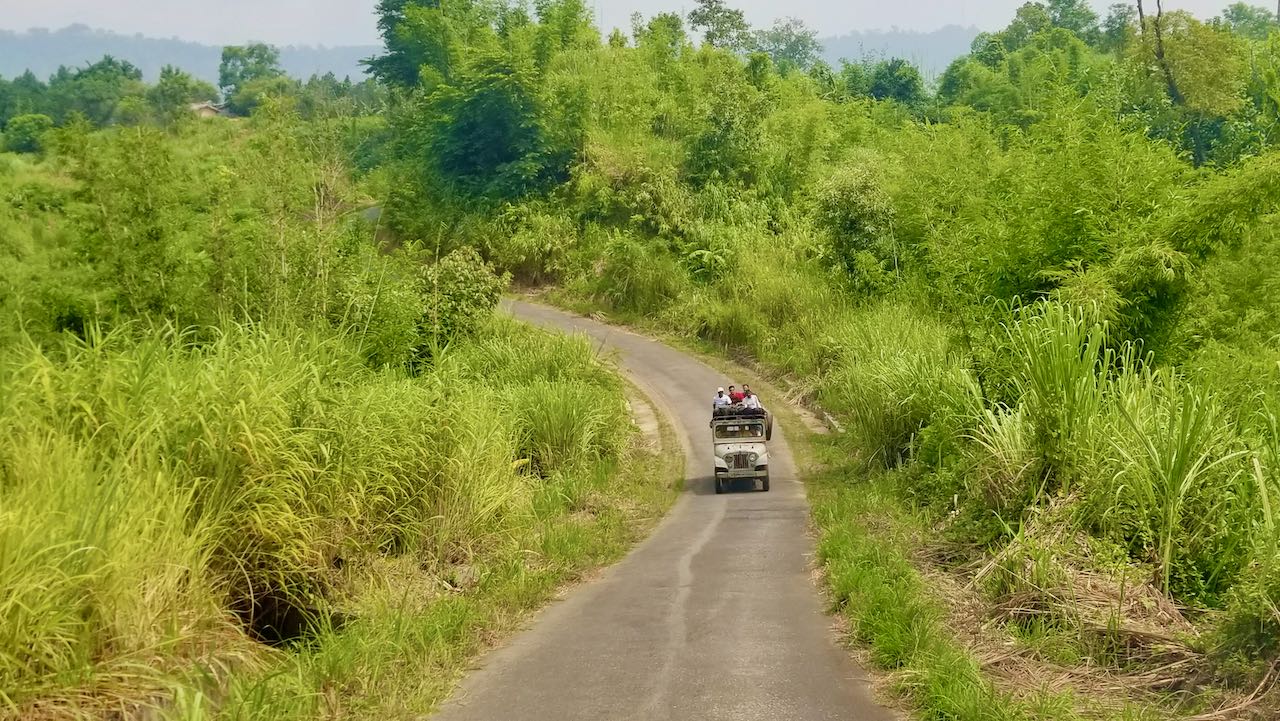
Sajek, one of the most popular hill destinations in Bangladesh, is also under pressure. Transport fares have increased sharply. Resort supply costs have gone up. Tour packages are becoming more expensive. Earlier, about 40 vehicles were used to deliver water to resorts. Today, only 15 are operational due to a lack of diesel.
“Without fuel, we cannot provide basic services, and visitors are staying away,” said Russel Chakma, manager of Khoyal Book Resort. “Compared to last year, Sajek is almost empty.”
In Bandarban, the problem goes beyond transport. Many resorts depend on generators for electricity. Generators run on diesel, and fuel shortage means a limited power supply. Some resorts reduce generator hours, and some have already cut down on services. Tourists experience shorter electricity periods, especially at night. The cost of maintaining basic facilities is rising every day.
Chattogram and Sandwip travel routes are also affected. Transport operators say fuel supply uncertainty makes scheduling difficult. Launches and speedboats cannot always run regularly. Travel plans are becoming unpredictable.
Tourism, which depends on smooth movement and reliable services, is slowly losing its balance. Industry insiders say the impact is already significant.
“The fuel crisis is affecting Bangladesh’s tourism sector in many ways. Fuel shortage and rising prices have increased transport costs, which directly raise the overall travel expense. As a result, many people are stepping back from travel plans, and tourist numbers are decreasing. At the same time, tour operators are forced to increase package prices due to higher operational costs, making travel more expensive for ordinary tourists,” said Sadifuzzaman Diganta, Director of Voyage Bangladesh.
Young entrepreneur Mazharul Islam Apon shared similar concerns. “If this crisis is not resolved quickly, tourism-related businesses may face major financial losses,” he warned.
The problem is not only about fuel. It is about confidence and stability. When transport becomes uncertain, tourists hesitate. When travel costs rise, families cancel trips. When bookings fall, businesses struggle to survive.
Tourism works like a chain. Boatmen depend on tourists, resorts depend on bookings, transport workers depend on regular trips, and tour operators depend on a stable fuel supply.
When fuel becomes uncertain, the entire system feels the pressure. A war thousands of kilometres away is quietly shaping local travel decisions in Bangladesh.
The tourism sector has already faced pandemic losses, rising inflation and infrastructure challenges in recent years. The fuel crisis is adding another layer of stress to an already fragile industry.
Industry experts say a stable fuel supply is now essential for tourism survival. For now, the hills are still green, the rivers are still calm, and the forests are still waiting for tourists. But behind the beauty of Bangladesh’s travel destinations, there is a growing concern.
If the fuel crisis continues, travel will become more expensive and less accessible. The simple joy of exploring the country may slowly turn into a luxury for many.


