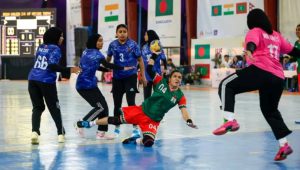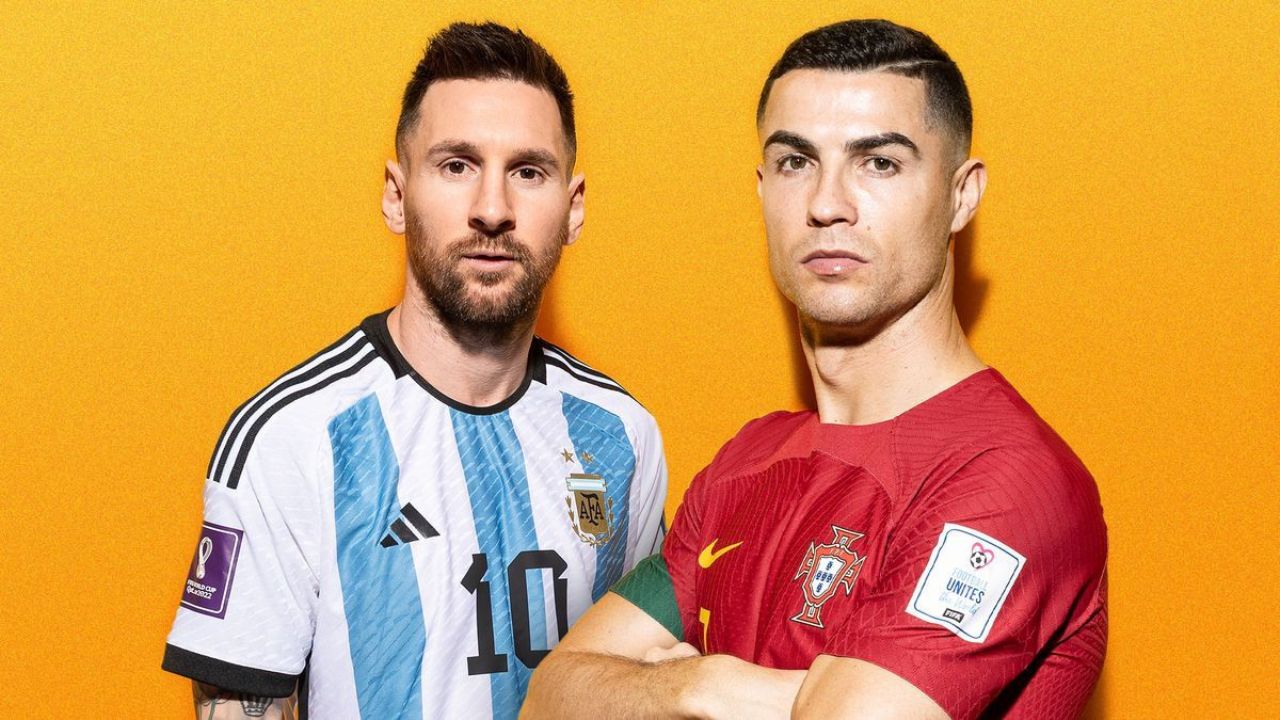



Vozinha creating history for Cabo Verde, Lionel Messi leading the scoring charts, Luka Modrić orchestrating Croatia’s midfield — it could be a scene from 2006. Instead, it’s 2026, and these veterans are still redefining what’s possible at football’s highest level.
Players in their mid-30s and beyond were once rare. This year, they made up about 6% of the 48 national squads, with eight of the 20 oldest players in World Cup history taking the field. Sports science, lucrative contracts, and sheer will are keeping stars in the game longer than ever — and the broader trend of players competing well into their 30s continues to grow, reports Bloomberg.
It remains an elite club. Ronaldo, Messi, and Modrić have swept the Ballon d’Or, football’s top individual honor, across two decades since their World Cup debuts. But 2026 also produced unexpected veteran heroes — none more surprising than 40-year-old goalkeeper Vozinha, who went viral for shutting out Spain in his country’s tournament debut before pushing Argentina to extra time in the round of 16.
Messi, who turned 39 during the tournament, said beforehand that his physical condition would shape his role for defending champion Argentina. He and 38-year-old teammate Nicolas Otamendi are the squad’s last remaining veterans.

That role has proven decisive. Chasing his first World Cup Golden Boot, Messi set up Argentina’s equalizer against Egypt in the round of 16 — arriving in the 79th minute — then scored the goal himself less than five minutes later. He’s since become the first player to score in eight consecutive World Cup matches and now holds the tournament’s all-time scoring record, surprising even his most devoted fans.
The science behind the longevity
Modern training is individualized, with competition time and recovery carefully managed so players peak when it matters most. Gone is the old “run until you drop” mentality.
“These high-functioning players are very valuable, so you want to watch them, you want to preserve them, you want to give them feedback on a day-to-day basis with regard to how can we best preserve their ability,” said Riley Williams, director of the FIFA Medical Centre of Excellence at the Hospital for Special Surgery.




Sports scientist Andy Galpin, who works with elite athletes, says the right regimen can extend a career by three to five years. His team tracks everything from heart rates and sleep cycles to hormones and sweat, using sensors embedded in shoes, clothing, and even bedrooms and bathrooms.
Wearable GPS vests — used by more than half the World Cup’s teams through companies like Catapult Sports — let coaches manage playing time precisely and help doctors spot early signs of illness, according to Catapult sports scientist Claudius Müller.
Medicine has caught up too. Injuries that once ended careers, like torn ligaments and Achilles ruptures, are now treatable through targeted rehab that limits muscle loss.
“The list of career-ending injuries has significantly decreased over the past 20 years,” Williams said.
A cultural shift
Lifestyle habits have changed as much as training methods. “The party scene is just way down,” said Michael Joyner, a researcher who studies elite athlete physiology. Today’s players train year-round, backed by coaches, chefs, and massage therapists who manage every detail of diet and recovery.
The payoff can be enormous. Ronaldo, the oldest player on the pitch in 2026 at 41, became football’s first billionaire in October following a deal with Saudi club Al-Nassr. Messi soon joined him, boosted by a wave of endorsements.
“Athletes are paying more attention to what they put in their bodies, how they eat, how they recover, how they sleep, and how they focus on their body as their investment,” said Alexander Weber, an orthopedic surgeon at the Keck School of Medicine of USC. “Now, the young players coming into the league, the vast majority of them either drink alcohol very seldomly, or not at all.”
Careers still end eventually — but the ceiling keeps rising. “If someone had said to you in 2006 that Ronaldo would be playing and starting for Portugal twenty years from now, and have three goals at the group stage, you’d be like, ‘What are you talking about?’” Williams said.
Perhaps there’s room for even older players yet. “Never say never,” he said.