



A faulty LNG cargo sent by Saudi Arabian state-owned company Aramco has raised fresh questions over vessel screening and accountability in Bangladesh’s energy sector, recalling a similar incident during the early days of LNG imports.
The cargo was returned after Bangladesh’s two floating LNG terminals found connecting it to their Floating Storage and Regasification Units (FSRUs) risky. Summit and Excelerate Energy, operators of the two terminals, declined to receive the vessel.
A Petrobangla official told TIMES of Bangladesh that reports claiming the terminals rejected the cargo because the vessel lacked insurance were incorrect.
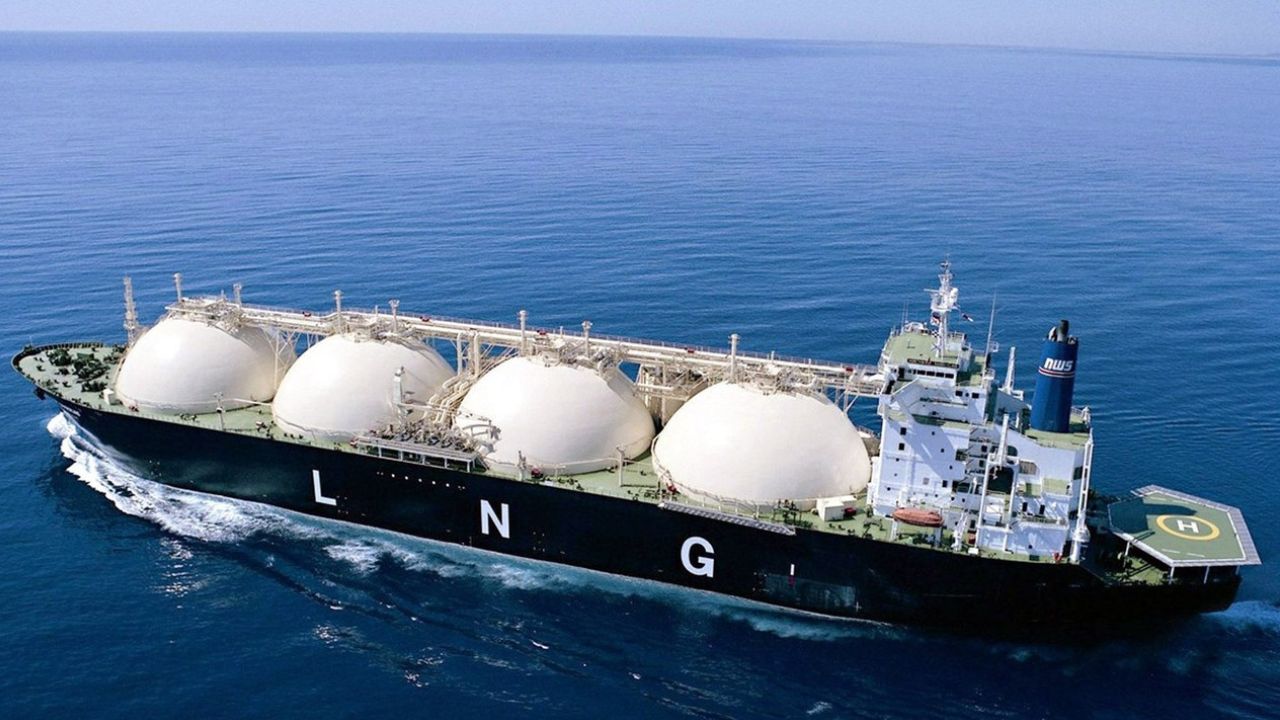
The Aramco vessel “Al Hamra”, nearly 29 years old, carried safety and technical risks, with compliance standards not matching international requirements.
However, no official has taken responsibility for how such a vessel arrived after seven years. While some energy officials acknowledged technical concerns, they could not explain how the issue occurred.
“When Bangladesh started importing LNG, such a vessel arrived in the early days. At that time, problems occurred at the FSRU. After that, no such vessel arrived in the country over the past seven years,” the official said.
Bangladesh began LNG imports on 18 August 2018, initially using one terminal. A second terminal was later added. A plan for a third terminal signed by the previous Awami League government was cancelled by the interim government led by Muhammad Yunus.
Excelerate Energy’s FSRU had recently remained out of operation for several days due to technical problems, prompting the operator to avoid further risks.

LNG arrives in liquid form at around minus 160 degrees Celsius before being stored at FSRUs and converted back into gas through regasification using seawater heat before entering the national grid.
A Petrobangla official said gas supply from Summit’s terminal resumed after a cargo was connected at 4pm on Thursday. Another LNG cargo is expected on Sunday.
Summit’s terminal is currently supplying 570 million cubic feet of gas, while domestic fields supply 1,625 million cubic feet. Total supply stands at 2,195 million cubic feet against demand of over 3,800 million cubic feet.
The return of the Aramco cargo has worsened the gas shortage, affecting industries, power generation and residential consumers.
Joint Secretary of the Ministry of Power, Energy and Mineral Resources Monir Hossain Chowdhury told TIMES that a “gentlemen’s agreement” had been reached, with neither side seeking compensation.




“Aramco will use this cargo in a neighbouring country and send a new cargo,” he said.
He denied technical problems with the cargo, saying Excelerate Energy’s FSRU had refused to receive it due to its own issues.
RPGCL Deputy General Manager (LNG) Mohammad Nasir Uddin said the vessel returned to Saudi Arabia because LNG could not be unloaded due to adverse weather.
Petrobangla General Manager (LNG) Din Mohammad said the vessel was returned as technical compatibility and ship-to-ship (STS) transfer requirements were not fulfilled.
The Liberia-flagged “Al Hamra”, carrying around 61,000 tonnes of LNG, reached Maheshkhali coast in Cox’s Bazar at midnight on 11 August.
Industrial production takes a hit
The gas shortage has disrupted production across major industrial hubs, including Chattogram, Narayanganj and Cumilla.
In Gazipur’s Bhogra, Konabari, Chandana Chowrasta, Rajendrapur and Kaliakair areas, factories are facing production problems due to low gas pressure. Some garment factories have shut down, while others are operating at reduced capacity.
Titas Gas General Manager (current charge) Mohammad Anisur Rahman said supply to Gazipur has fallen below demand due to low central pressure.
“Factories located at the end of gas pipelines are particularly failing to receive adequate pressure,” he said.
Gazipur has more than 3,000 industrial units, with around 400 to 450 factories affected by the shortage, industry insiders said.
Factory officials said low pressure has disrupted boilers, dyeing, washing and textile machinery operations.
Industrialists fear financial losses and losing export orders due to delays, while workers are concerned about job security.
Smile Apparels owner Mohammad Sabur Hossain told TIMES, “Although production has stopped, we still have to pay salaries, electricity bills, other expenses and bank loan instalments. This is putting many businesses under financial pressure.”
Lyric Garments owner Mohammad Selim said factories with boilers, knitting and dyeing units were suffering the most.
Around 20 per cent of Gazipur factories had to shut for four days in July due to the crisis.
However, industrial police said the situation was not widespread.
Gazipur Industrial Police chief Mohammad Khalilur Rahman said some knitting and dyeing factories had temporarily suspended operations.
“Working hours have been reduced at various factories. Some owners have also temporarily closed non-essential sections not directly involved in production,” he said.
Gazipur correspondent Dil Afroza has contributed to this story.