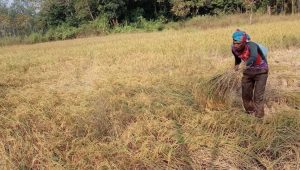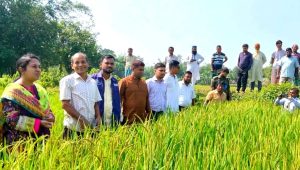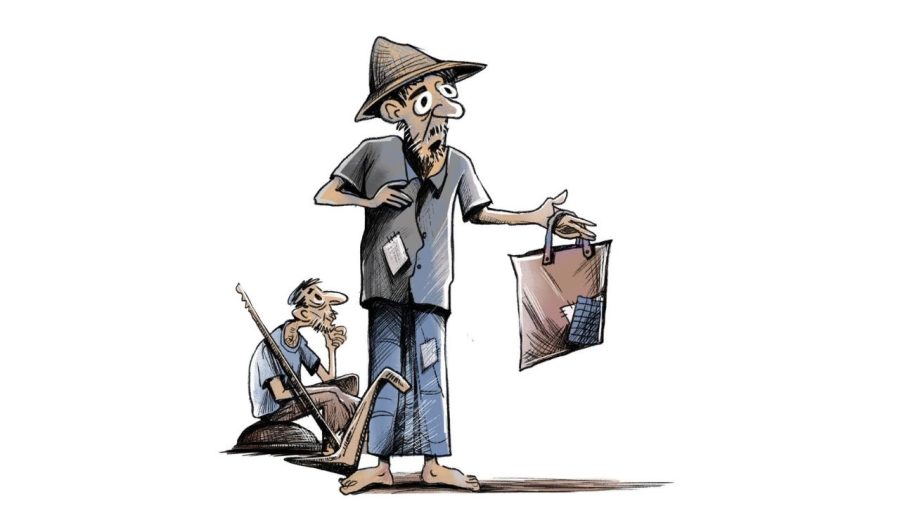



Jamal Hossain gave up farming two years ago after struggling to support his family by cultivating five bighas of land. Now a grocery shop owner in Ahsanganj Bazar of Atrai upazila in Naogaon, he earns a steady income and has leased out his farmland to sharecroppers.
His shift reflects a growing exodus from agriculture as rising production costs and falling returns make cultivation increasingly unviable for small farmers.
Naogaon, a major agricultural district, lost nearly 11,000 hectares of arable land over the past decade according to official figures.
A 2023 study of 818 households across the district’s 11 upazilas found that 12 per cent of small farmers had taken up battery-powered van driving, 20 per cent had become agricultural day labourers, 15 per cent drove rickshaws seasonally and 26 per cent had moved into small businesses.
Fazlu Mia of Lakshmipur has also left farming to work as a livestock broker.
“The cost of cultivation cannot be recovered by selling the crops. Labourers are hard to find, and those available demand higher wages. I earn more in my current occupation than I did from farming,” he said.
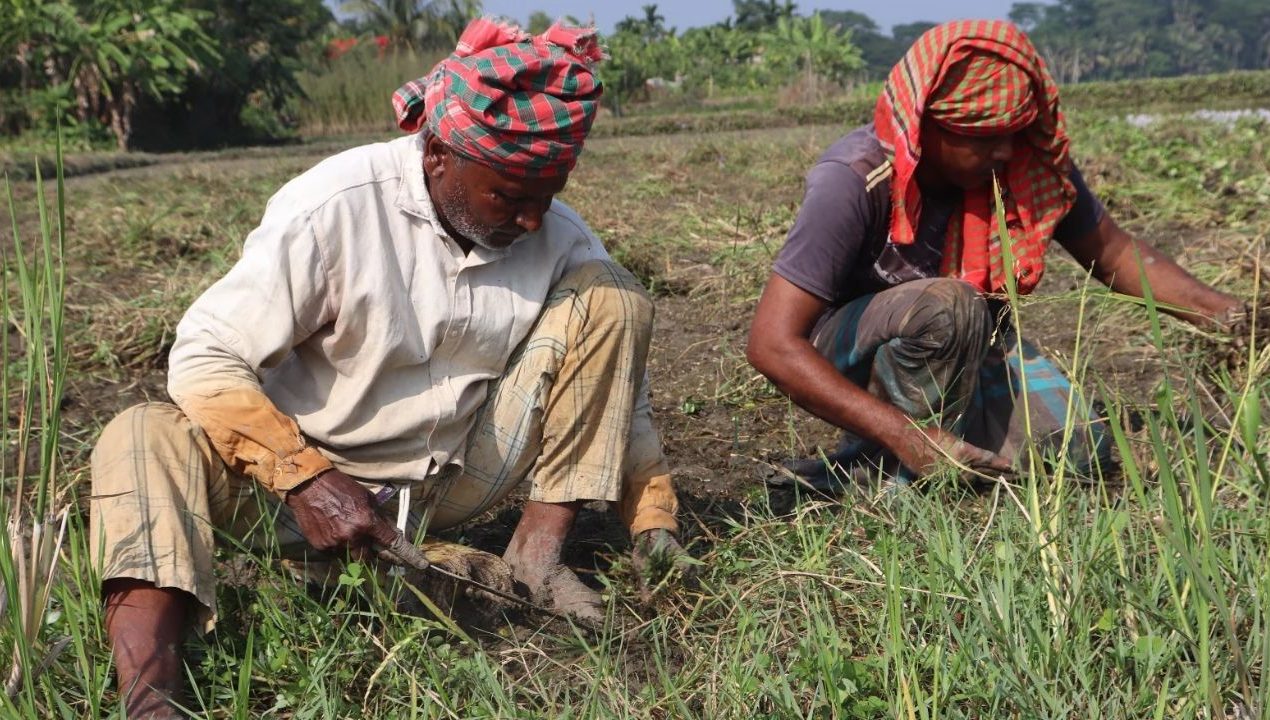
The shift comes despite Bangladesh’s gains in agricultural production. The country ranks third globally in rice production, seventh in potato production and first in jute production, according to the Food and Agriculture Organization.
But higher output has not translated into better returns for farmers. Rising input costs, low farm-gate prices and expensive labour have eroded profits, while consumers in cities often pay several times what farmers receive.
Agriculture contributes around 11 per cent to GDP but provides direct employment to 45 per cent of the workforce, making the growing departure from farming a concern for both livelihoods and food security.
AKM Ruhul Amin, a professor of agronomy at Sher-e-Bangla Agricultural University, told TIMES that the trend could put the country’s food security at risk.

He further called for subsidies on fuel, electricity and fertiliser, alongside affordable access to modern machinery.
Humayun Kabir, a professor of agricultural economics at Bangladesh Agricultural University, said the government needed to protect farmers’ livelihoods.
“Farmers must be able to make a profit from their businesses. Their enterprise and initiative are essential to keeping the economy moving,” he said.
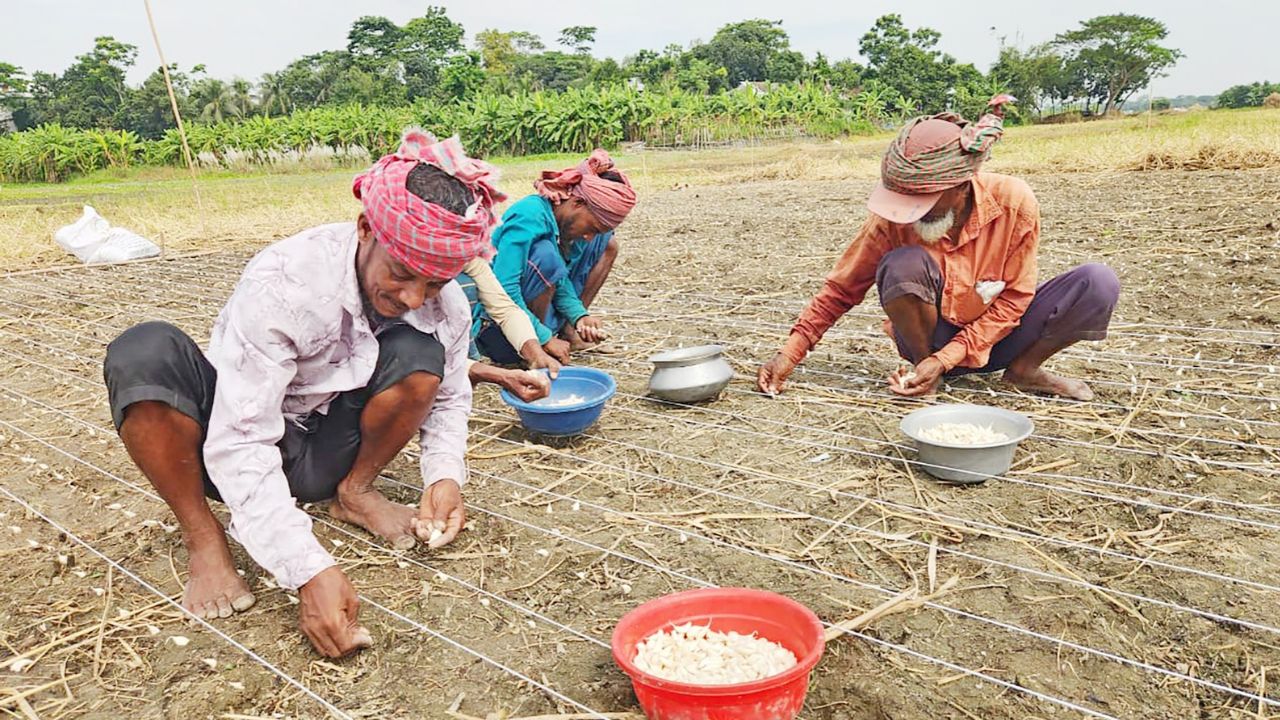
Additional Secretary to the Ministry of Agriculture Md Abdul Hye Al Mahmud, however, told TIMES that profitability varies across regions, with farmers making profits in some districts while incurring losses in others.
“Every upazila needs a cold storage facility. If cold storages are established across the country, farmers will benefit. Being able to preserve their produce will help them make profits,” he said.
Saying that the current government had taken a range of initiatives for farmers, he added, “Farmers have already started receiving agricultural cards, and fertilisers and seeds are being delivered to them properly. Farmers are our main strength. The country can survive only if its farmers survive.”
Costs rise, returns shrink
The inflationary pressure that intensified after Russia’s invasion of Ukraine in 2022 has further squeezed farmers.


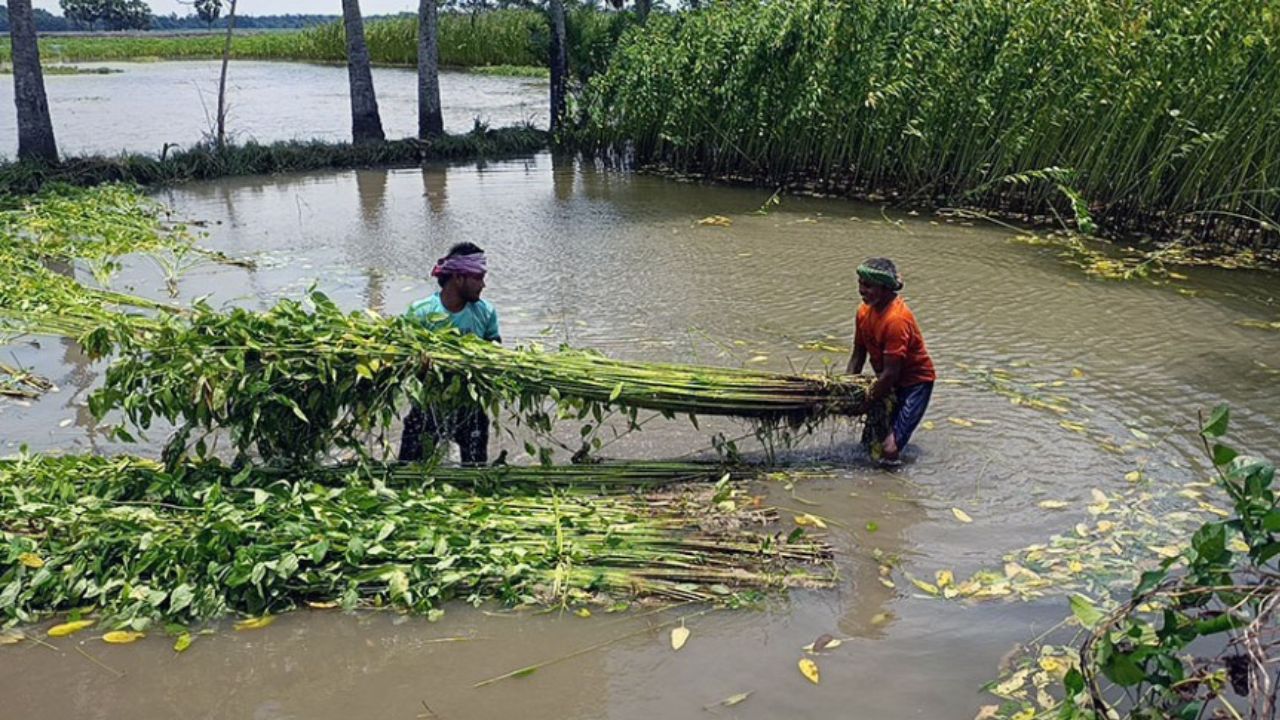
Over four years, diesel prices rose 69 per cent, electricity tariffs for irrigation 45 per cent and potato seed prices as much as 75 per cent. Urea and TSP fertiliser prices increased by 23–33 per cent, while agricultural wages doubled. Storage, transport and other costs rose by at least 50 per cent.
Farmers also say they cannot consistently buy fertiliser at government-fixed prices.
Agriculture department data show that the cost of producing a kilogramme of Boro rice increased by Tk8.11 over five years. Although the government’s procurement price rose by Tk9, market prices remain much lower.
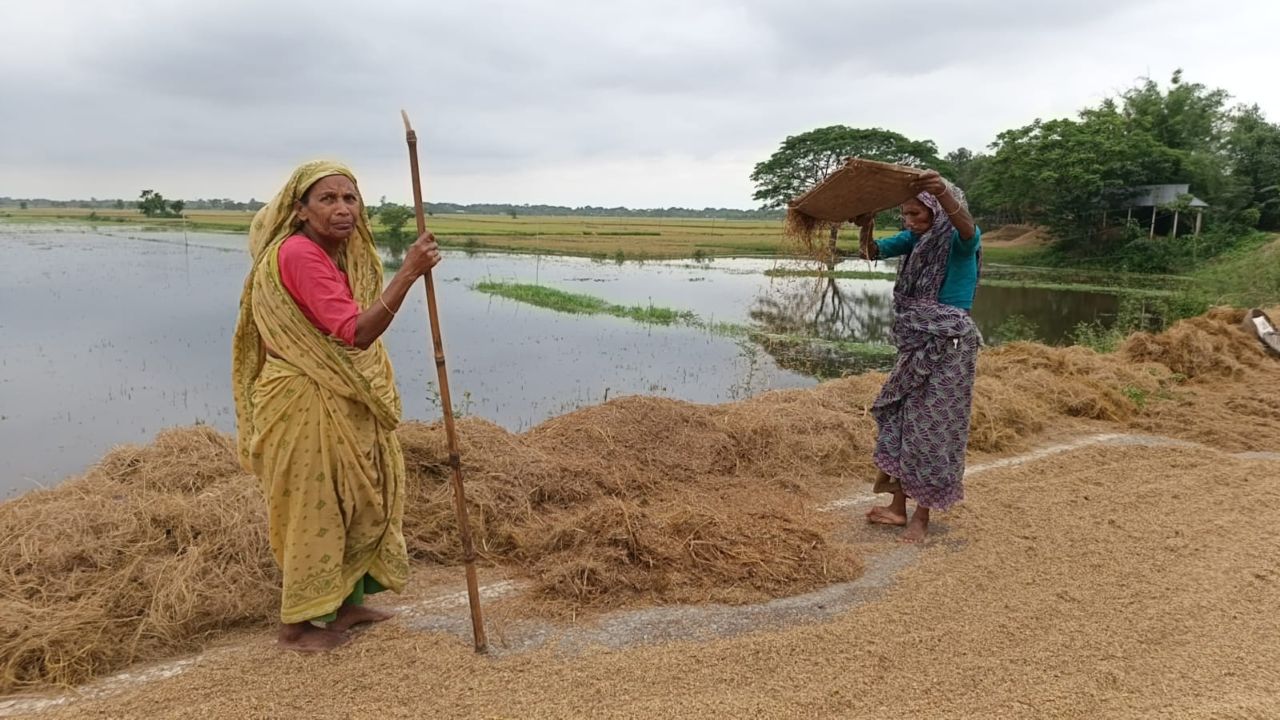
This year, the government fixed the procurement price at Tk1,440 per maund, but farmers sold paddy for Tk800–950 in the open market. Prices rose only after many had sold their harvests.
Even the country’s top farmers are struggling. Abu Hanif of Khayrat village in Karimganj, named the country’s best jute seed producer in 2023, said his earnings from cultivation have fallen sharply.
Four years ago, he made Tk10,000–12,000 per bigha from rice cultivation. Now the profit is Tk3,000–5,000. Vegetable production costs have doubled, while profits have fallen by at least 50 per cent.
Bumper harvests make matters worse, as a surge in supply can push prices down by 40–50 per cent, sometimes below production costs.
Akbar Ali, a farmer in Kishoreganj’s haor region, said farming offered little beyond food for his family and straw for his cattle.
“I do not know how to do any other work, so I have no choice but to continue farming,” he said.
Others have already switched occupations. Akhil Kumar of Manda in Naogaon converted six bighas of farmland into fishponds last year, while Sadekul Islam of Hapania leased out his three bighas and now sells fish at local markets.
Farmers get a fraction of retail prices
The gap between farm-gate and retail prices further discourages cultivation.
Naogaon farmer Saidul Islam sold cabbages to wholesalers for Tk8–10 each. The same produce sold for Tk20–25 in the district town and around Tk40 in Dhaka.
“Traders are making profits, while we are losing around Tk10,000 even after selling the cabbages grown on one bigha for nearly Tk40,000,” he said.
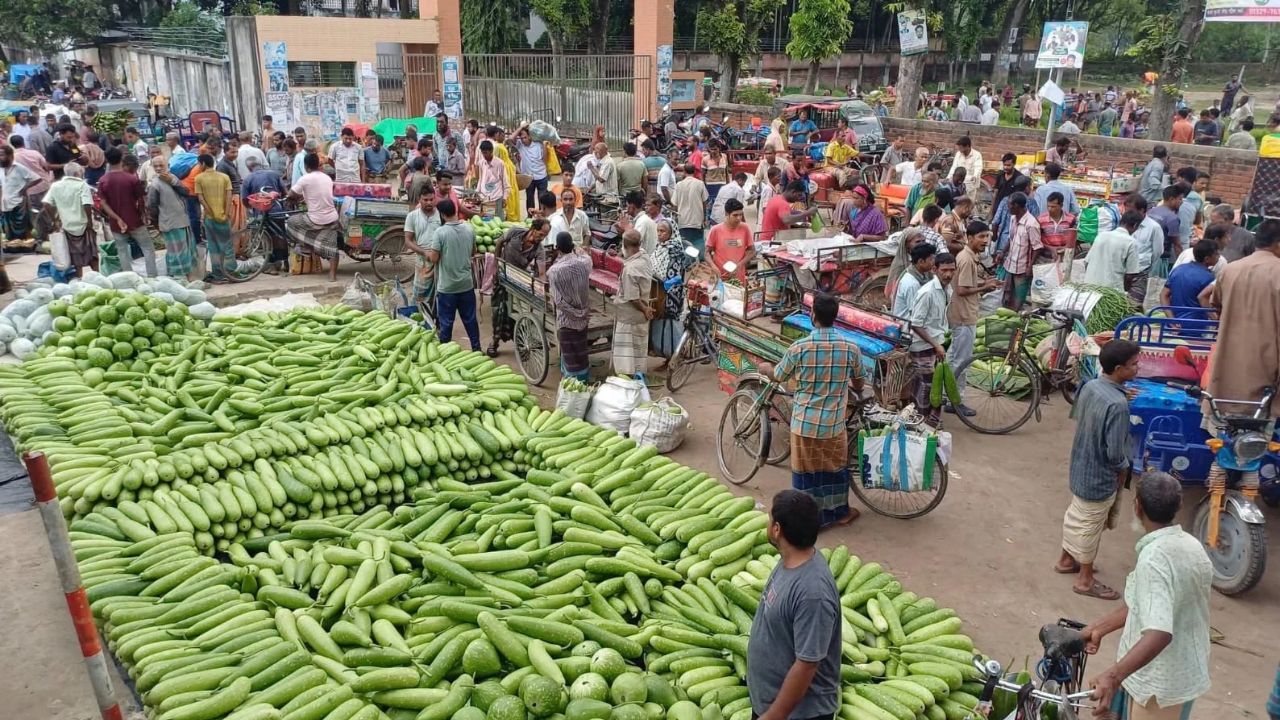
In Jamalpur’s Madarganj, Zahurul Haque said the cost of cultivating chillies on one bigha rose from Tk20,000 last year to Tk35,000 this year, while the price he received fell from around Tk35 to Tk15–17 a kilogramme.
Mohammad Kamruzzaman, deputy director of the market division at the Department of Agricultural Marketing, said eliminating unnecessary intermediaries could reduce consumer prices.
Credit remains out of reach
Access to affordable credit is another obstacle. Although the agricultural loan disbursement target for the current fiscal year stands at Tk60,000 crore, farmers say bank loans remain difficult to obtain.
They face paperwork and procedural hurdles, while sharecroppers often cannot meet land ownership and tax documentation requirements.
A Bangladesh Bank study in December 2024 found that 25 per cent of borrowers received less credit than they needed, while 12 per cent received less than the amount approved.
Many therefore turn to NGOs and informal lenders, where the effective interest rate on NGO loans can reach 30 per cent. Farmers struggle to repay instalments before harvesting, and crop losses can force them to sell livestock or take fresh loans to repay old ones.
“Farmers are simply afraid to take loans to invest in agriculture,” said Ruhul Amin, a farmer in Lakshmipur.
Ratan Hossain said NGO loans were easier to secure despite their high interest rates, as borrowers could obtain them by showing property documents.
Machinery remains beyond smallholders’ reach
Mechanisation has reduced the need for manual labour, but high equipment costs prevent many small farmers from benefiting.
A combine harvester can harvest one bigha of paddy in 20–25 minutes and cover up to 30 bighas a day, according to the Bangladesh Agricultural Research Council. The same work would require up to 15 labourers per bigha.
But a combine harvester costs Tk25–30 lakh, while a rice transplanter costs Tk12–15 lakh.
Small plots, narrow field boundaries and muddy, low-lying land also limit the use of heavy machinery. A 2023 survey put the average farm size at 0.6 hectares, while 40 per cent of farmers said machinery services were unavailable in their areas.
Muhammad Ashik-E-Rabbani, a professor of farm power and machinery at Bangladesh Agricultural University, said that the government should help make equipment affordable and encourage agricultural entrepreneurs to provide machinery rental services.
Such services would allow farmers to use modern equipment without having to buy expensive machines, he said.
Rakibul Hasan Rokel from Kishoreganj and Saimum Sabbir Shovon from Jamalpur contributed to the report.