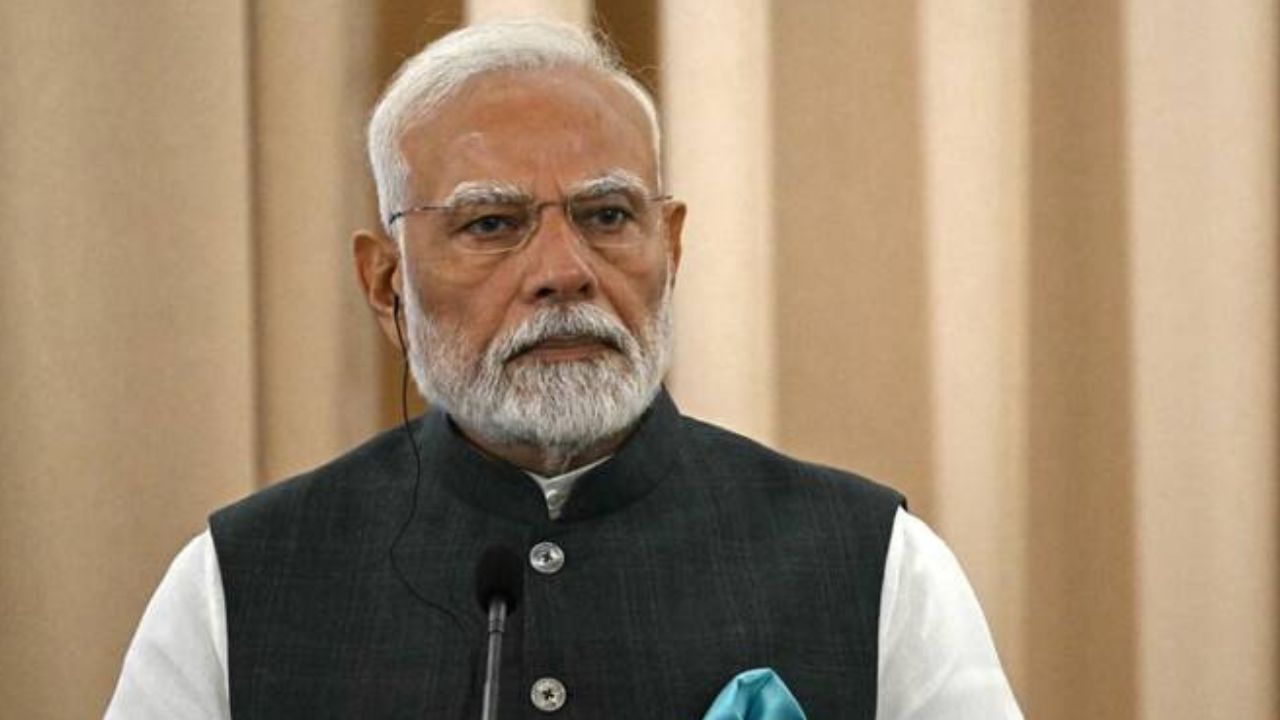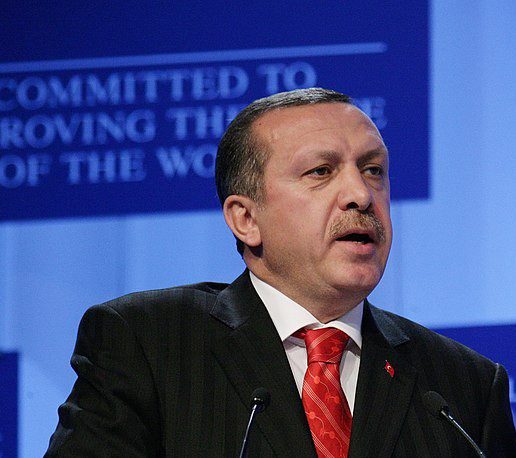

Turkish President Recep Tayyip Erdogan has formally approved a joint defence pact with Saudi Arabia and Pakistan, Turkiye’s Official Gazette announced on Friday, completing Ankara’s ratification and paving the way for military support to Riyadh as the kingdom faces attacks by Yemen’s Houthis, says Al Jazeera.
The Mecca Joint Defence Agreement, signed by the three countries on August 7, treats an armed attack on any member as an attack on all. Senior officials from the three states are meeting in Islamabad on Friday and Saturday, their third gathering since the signing, Reuters reported, citing two Pakistani sources.
Turkiye’s parliament approved the agreement on November 5 by 279 votes to 119. A lawmaker from the ruling party told Reuters last month that the government would also submit a motion to parliament authorising the deployment of troops to Saudi Arabia under the pact.
Turkiye has NATO’s second-largest military, while Pakistan is the only Muslim-majority country with nuclear weapons. Pakistan’s Foreign Ministry said on October 23 that Islamabad and Riyadh had completed their own ratification processes.
The pact was signed amid a wider war that began with United States-Israeli strikes on Iran in February. Houthi attacks on Saudi Arabia and sporadic Iranian strikes on other Gulf countries are continuing.

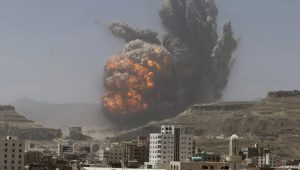
Saudi authorities say at least 26 people have been killed in suspected Houthi drone and missile attacks in the kingdom since September 23, 23 of them in strikes on airports. On November 24, the Saudi Civil Defence said 11 people were injured when a tower in Riyadh’s financial centre was hit in a Houthi attack.
Pakistan’s Defence Minister Khawaja Asif told AFP this week that the “continuous turmoil south of Saudi Arabia”, a reference to Yemen, would be on the agenda, and confirmed that the defence and foreign ministers of all three countries would attend.
“Any threat to Saudi Arabia is a threat to Pakistan and Turkiye according to the pact, which is absolutely clear,” Asif said. He described the pact as being at an early stage.


“Initially we need to have frequent meetings to steer what is being formulated, in a way that in the next couple of months we have everything in place so that we can move forward,” he said.
Turkish Foreign Minister Hakan Fidan told Turkish media on November 21: “Our current policy is aimed at the defence of Saudi Arabia; no decision has been made on deploying troops inside Yemen. However, the necessary support is being provided in defending Saudi Arabia.”
Pakistan has pledged to defend Saudi territory but has ruled out attacking the Houthis inside Yemen. Foreign Ministry spokesperson Sajjad Haider Khan said on October 9 that Pakistani troops stationed in Saudi Arabia under the alliance would not cross into Yemen. “It is an alliance intended to defend the three countries against aggression,” he said.


He added on November 20 that the agreement “is defensive in nature and is not directed against any country”. The text submitted to the Turkish parliament names no country or region as a threat.
At an emergency meeting in Riyadh on October 5, the pact’s committee agreed to provide forces and capabilities and ensure their rapid deployment in the kingdom. The joint statement did not name Yemen or the Houthis, and the alliance has not publicly detailed how it would decide on a joint military response, which forces it would call on or who would command them.
Retired Lieutenant General Nauman Mahmood, a former Pakistani three-star general, was appointed in September as the alliance’s first secretary-general for a three-year term. The secretariat is based in Riyadh, where he met Saudi Foreign Minister Prince Faisal bin Farhan Al Saud on November 19 to review efforts to build the alliance’s institutional framework.

On April 11, Saudi Arabia’s Ministry of Defence said a Pakistani force, including fighter and support aircraft, had arrived at King Abdulaziz airbase in the Eastern Province under a bilateral mutual defence agreement signed by Islamabad and Riyadh in 2025. Analyst Muhammad Faisal said much of the Pakistani military presence rested on that older arrangement and that Riyadh had not publicly pressed Islamabad to join offensive operations inside Yemen.
Umer Karim, an associate fellow at the King Faisal Center for Research and Islamic Studies in Riyadh, said the limit fell short of what Saudi Arabia wanted, but that deeper Pakistani involvement against the Houthis would weaken its mediation role, as Iran is their principal external backer.
Ankara-based analyst Omer Ozkizilcik of the Atlantic Council said he expected the alliance to remain defensive for now because the Saudis had only requested defensive support.
On October 26, Saudi Defence Minister Prince Khalid bin Salman, Pakistani army chief Asim Munir and Turkish intelligence chief Ibrahim Kalin met Mohsen Rezaei, secretary of Iran’s Supreme National Security Council, in Tehran, a meeting widely believed to have been facilitated by Islamabad.
Asif declined to tell AFP how the pact would respond to a direct Iranian attack on Saudi Arabia, but named Israel as a possible threat to the region.