Chattogram City Corporation (CCC) on Monday Shahadat Hossain has warned of a possible “invisible syndicate” within Bangladesh’s healthcare system, alleging that critical diagnostic equipment in public hospitals is being deliberately kept out of service.
The remarks came during the first meeting of the Executive Committee of the National Economic Council (Ecnec) under the current government on Monday.
Although invited to present a housing project for sanitation workers, the proposal was not included in the meeting agenda.
Instead, the mayor seized the moment to spotlight what he described as a systemic failure with potentially deeper, more troubling roots. Speaking to TIMES of Bangladesh after the meeting, he said the opportunity to weigh in on key health-sector projects allowed him to flag an issue that has long gone unaddressed.

“High-value, essential diagnostic machines in government hospitals remain non-functional for years. This goes beyond negligence and warrants a thorough investigation,” he said, questioning whether vested interests may be behind the persistent problem.
The implication is serious: that dysfunction in public hospitals may not be accidental, but part of a pattern that diverts patients toward private hospitals and diagnostic centres—where costs are significantly higher and oversight is weaker.


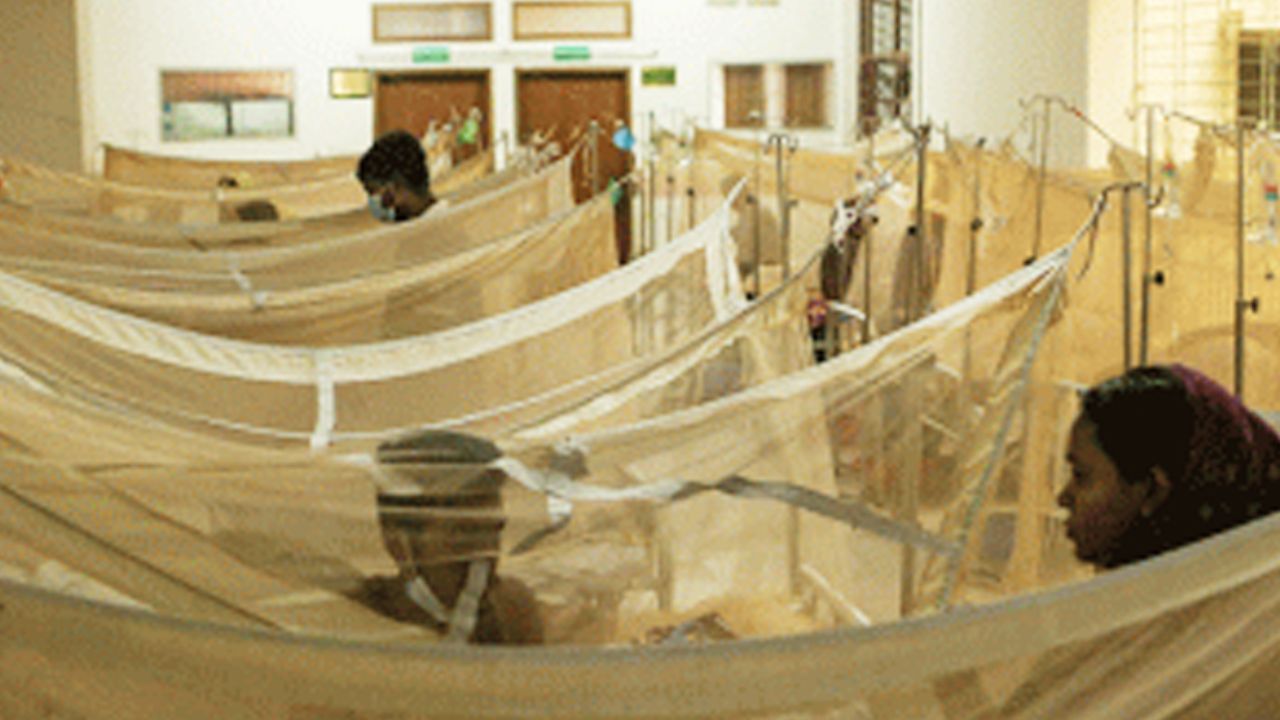

The mayor’s remarks cut to the heart of a widely whispered concern in Bangladesh’s healthcare landscape—whether an entrenched nexus benefits from keeping public services ineffective.
The Ecnec meeting also reviewed a major initiative funded by the Japan International Cooperation Agency to establish primary healthcare centres across 170 wards in Dhaka and Chattogram.
The mayor expressed cautious optimism, noting that the project is under review and expected to return for approval at the next Ecnec meeting.
Meanwhile, the sidelined sanitation workers’ housing project—initially valued at Tk231 crore—has now been revised upward to Tk309 crore, with an extended completion deadline of 2028.
The proposal now seeks full government financing, including Tk60 crore previously allocated from CCC funds.
“This is a social welfare initiative aimed at one of the most marginalised groups,” the mayor said. “It is not a profit-driven project, and the government should take full responsibility for its funding.”
While the omission of the housing project drew attention, it was the mayor’s warning about alleged systemic failures in healthcare that dominated discussions after the meeting—raising fresh questions about accountability, governance and transparency in the sector.
His intervention has now set the stage for a broader policy debate—one that could force authorities to confront uncomfortable questions about transparency, governance, and who truly benefits from a struggling public health sector.