





Dhaka South City Corporation (DSCC) Administrator Md Abdus Salam has urged authorities to ensure effective disaster preparedness by assessing the actual capacity and rescue equipment of relevant agencies rather than assigning responsibilities merely on paper.
He also directed a co-ordinated division of duties among key bodies, including the Fire Service, Police, and Red Crescent Society, to safeguard city residents during emergency disaster situations.
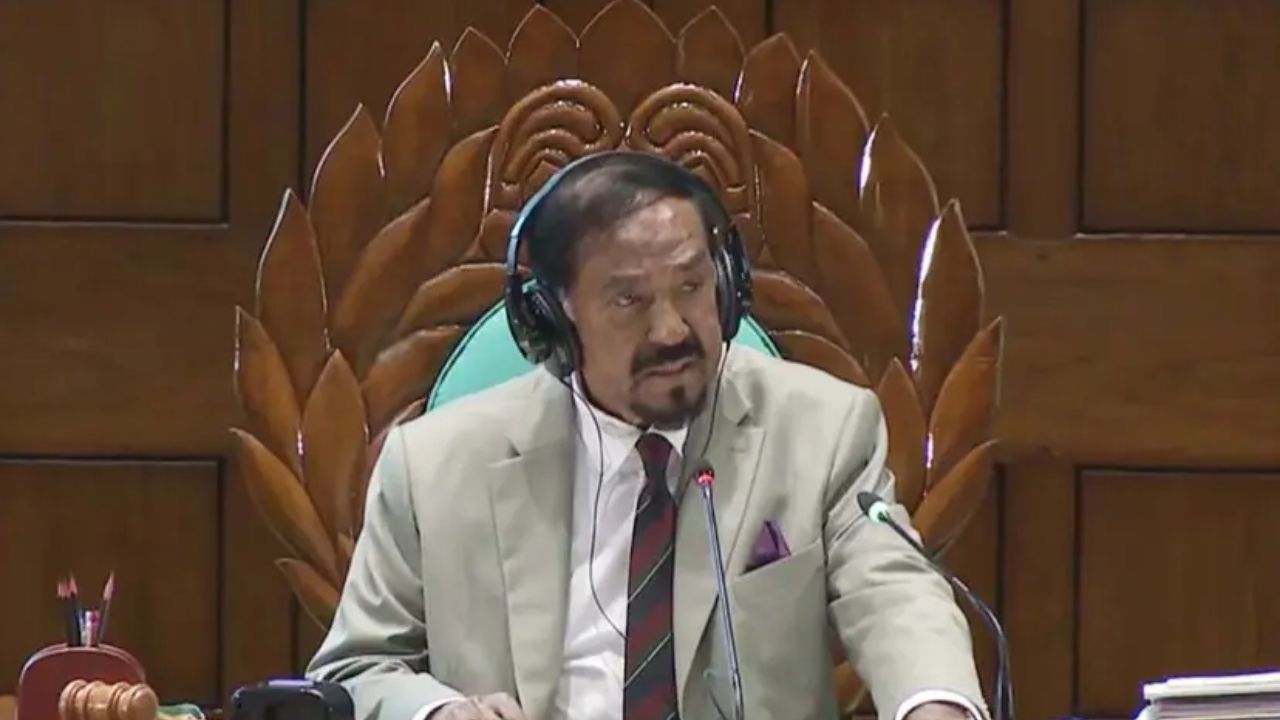
He made the observations while presiding over the fifth meeting of the DSCC Disaster Management Committee at the Nagar Bhaban auditorium on Monday afternoon.
Highlighting structural vulnerabilities, Salam said that most areas under Dhaka South had developed in an unplanned manner.

He warned that this significantly increases the risk of major devastation from building collapses, fires, chemical and electrical equipment explosions, and earthquakes.
He stressed that no single agency could tackle these complex risks in isolation, making integrated and co-ordinated preparation essential across all relevant bodies.



Citing a recent fire at Moulvibazar in Old Dhaka, the DSCC Administrator pointed out that narrow streets, water shortages, and roadside shops and hawkers had delayed the arrival of Fire Service vehicles.
To overcome such obstacles, he declared the installation of primary fire-fighting equipment and fire hydrants mandatory in all multi-storey buildings and commercial establishments.
To further mitigate urban fire hazards, Abdus Salam emphasised the urgent need to relocate dangling overhead cables and electrical wires underground while protecting adequate water sources.
In this regard, he pressed for the immediate conservation of urban ponds and waterbodies, including Dholaikhal.

As part of disaster preparedness, he called for holding regular disaster drills and public awareness seminars, alongside expanding fire safety training and awareness programmes for youth in educational institutions with support from the Fire Service.
The meeting was conducted by DSCC Chief Executive Officer Md Khoybor Rahman and attended by 57 representatives from government and non-government bodies, social organisations, and NGOs.
Detailed discussions were held regarding the specific roles and operational responsibilities of the respective institutions before, during, and after disasters.