Dhaka stocks logged their steepest single-day fall in nearly six years on Tuesday as escalating Middle East war fears shook investor confidence and wiped out recovery optimism tied to the newly elected government.
The DSEX, the benchmark index of the Dhaka Stock Exchange, plunged 3.77 per cent, marking its sharpest drop since 18 March 2020, when it fell 4.47 per cent at the onset of the Covid-19 pandemic in Bangladesh.
The index shed 209 points to close at 5,325, down from 5,534 in the previous session, extending losses after a 2.47 per cent slide on Sunday.
Analysts warned that a prolonged conflict could derail Bangladesh’s fragile recovery by straining energy supplies and destabilising macroeconomic fundamentals.
Brent crude climbed above $83 per barrel from around $66 a month earlier, with forecasts that prices could exceed $100 if the United States–Israel war with Iran persists.

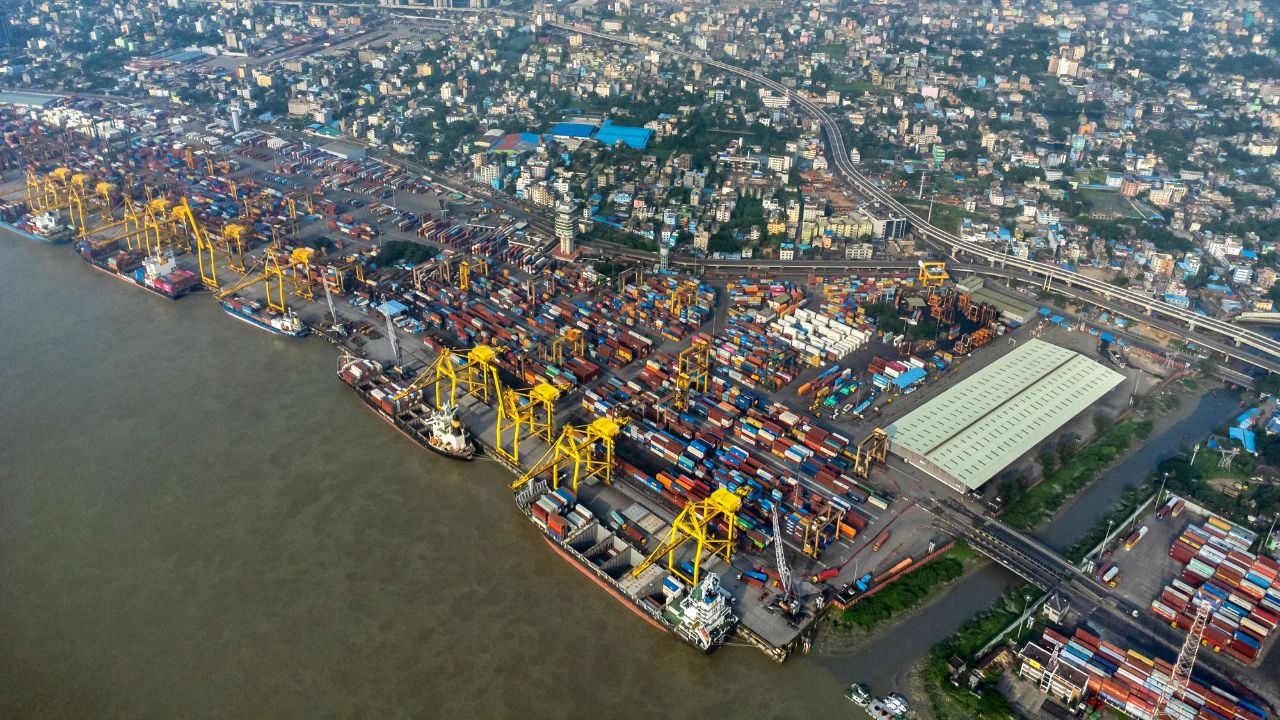
Any disruption in the Strait of Hormuz would sharply raise freight and fuel costs, as Bangladesh depends heavily on the route to import oil and gas from the Middle East.
Higher energy bills combined with weak export earnings could widen the balance of payments deficit and slow the rebuilding of foreign exchange reserves, said Policy Exchange Bangladesh Chairman M Masrur Reaz. He cautioned that remittance inflows may also weaken if the crisis drags on.
VIPB Asset Management Managing Director Shahidul Islam said the sell-off appeared excessive given attractive valuations in several blue-chip stocks.


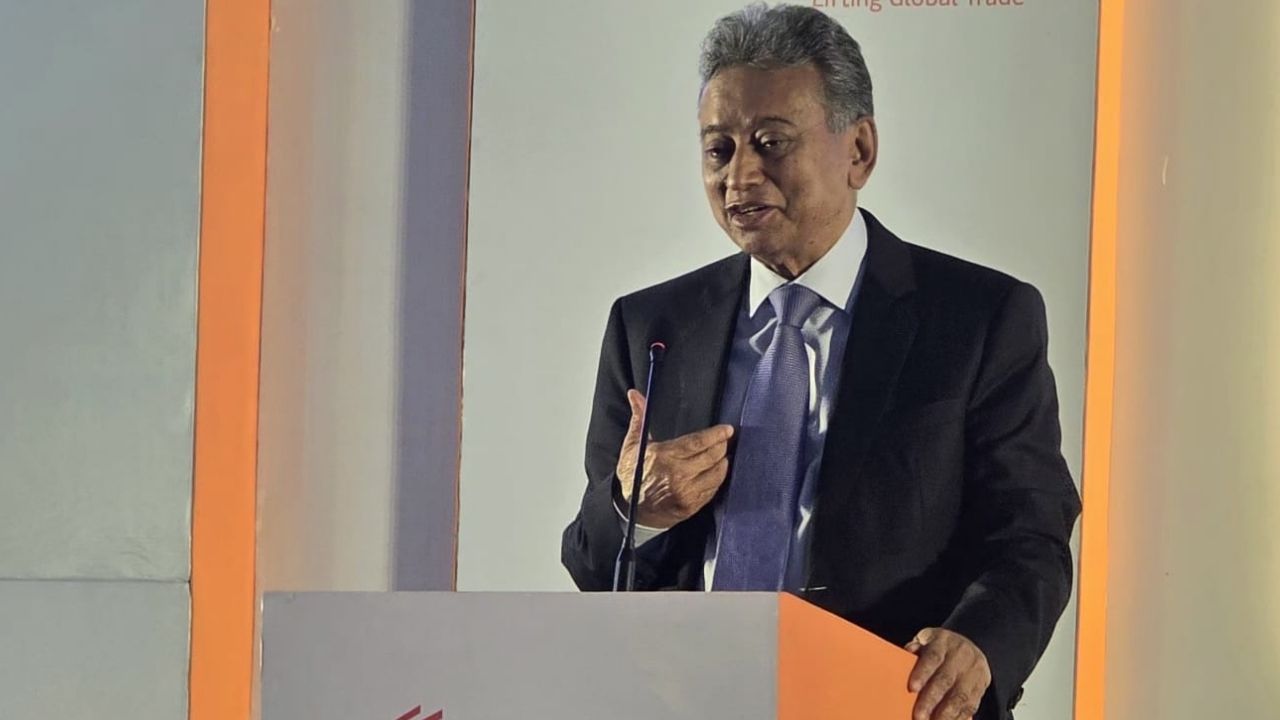

Investors had been betting on a policy rate cut after Bangladesh Bank Governor Md Mostaqur Rahman signalled possible easing.
Traders, however, drew parallels with early 2022, when Russia’s invasion of Ukraine fuelled global inflation and destabilised Bangladesh’s macroeconomic position.
“Investors remained cautious over mounting concerns about the potential macroeconomic impact of ongoing tensions in the Middle East, particularly risks linked to fuel and power supply disruptions,” EBL Securities Research said in a post-closing note.
It added that speculation over a possible shift in regulatory leadership heightened uncertainty and triggered broad-based selling, as the elected government moves to replace key officials at regulatory bodies.
Turnover rose 13.5 per cent to Tk890 crore from Tk780 crore in the previous session.
Banking stocks accounted for 26.6 per cent of total turnover, followed by pharmaceuticals at 14.6 per cent and textiles at 8.6 per cent.
All sectors closed in negative territory, with food down 6.3 per cent, information technology 5.6 per cent and life insurance 5.6 per cent.
Of the 397 issues traded, 31 advanced, 344 declined and 22 remained unchanged.
The blue-chip DS30 index dropped 4.01 per cent to 2,050.
The Chittagong Stock Exchange also closed lower, with the Selective Categories Index shedding 270 points to finish 2.8 per cent lower at 9,229.