






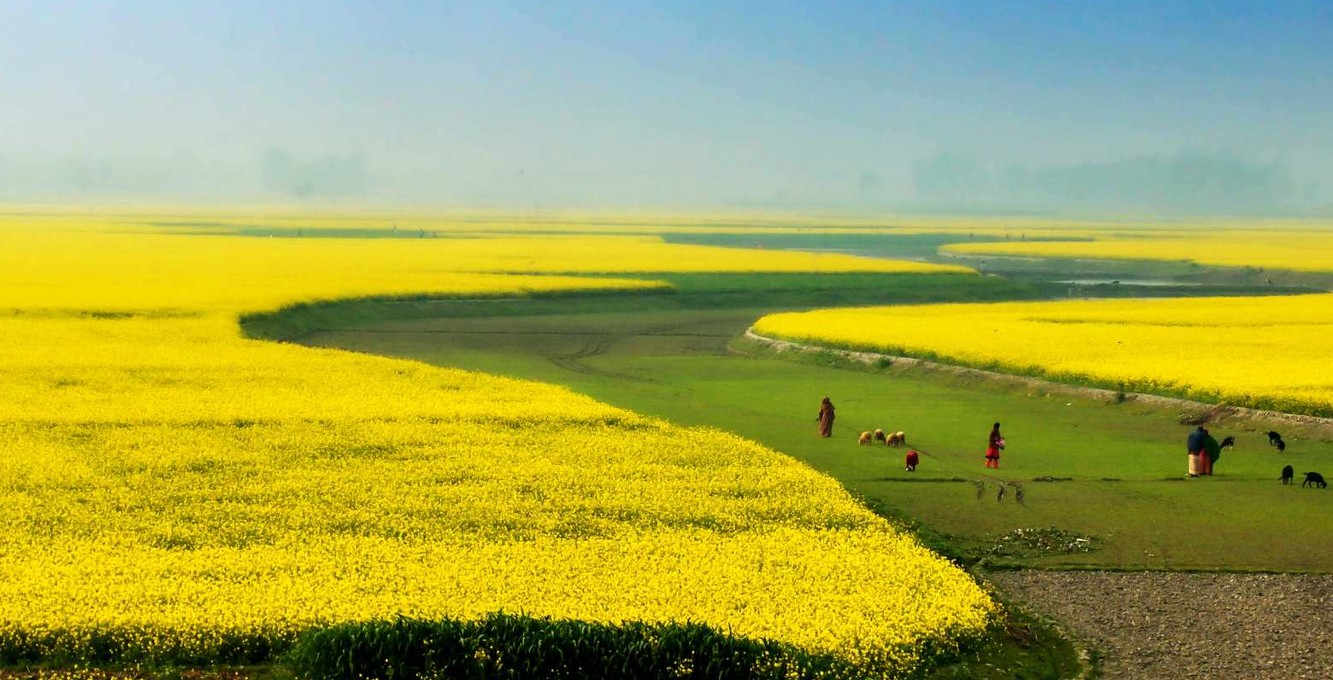
Bangladesh is currently transitioning from subsistence farming to commercial agriculture. Fruits, vegetables, and spices are being cultivated on a commercial scale, making it essential to ensure the production of high-quality produce. Alongside modernising the market system, it is necessary to curb the dominance and interference of intermediaries. Failure to bring order to the product transportation process will inevitably impact consumers.
The export of agricultural products is one of the country’s promising sectors, with approximately 104 varieties of such products being exported. However, the sector faces several hurdles ranging from the production stage to marketing. Attention must be paid to implementing Good Agricultural Practices (GAP) and streamlining processes such as grading, packaging, and quarantine procedures at the production stage.
As Bangladesh stands on the verge of graduating from the Least Developed Country (LDC) status, the government has reduced cash incentives for agricultural product exports by up to ten percent across various sub-sectors. This measure was primarily taken to address the challenges associated with the LDC graduation; there is no alternative to facing the challenge of competing with developed nations. Development experts argue that long-term cash incentives are not the solution to enhancing export competitiveness.
Government decisions regarding the export sector have caused concern among the traders and stakeholders involved, while also prompting them to seek a way forward. Over the past few years, Bangladesh has made strides as an exporter of agricultural products. Last year, the volume of such exports stood at $1.17 billion. A matter of concern is that, while exports of fruits and vegetables to Europe have declined over the last decade, the share of exports to the Middle East has increased. This indicates that improving product quality is essential to maintaining competitiveness in the export market.
The dietary habits and agricultural production patterns of the people of Bangladesh, India, and Pakistan are quite similar. People from the subcontinent are scattered across various parts of the world, including Europe and the Middle East. They are generally reluctant to alter their dietary habits; even while living abroad, they prefer to consume food from their home countries, actively seeking out and procuring such items. Much like the expatriates themselves, local people in these foreign lands are also developing a fondness for the cuisine of the subcontinent, particularly for items such as mangoes, limes, and a variety of both common and lesser-known vegetables and fruits from the region.
Over a hundred varieties of fruits and vegetables are exported from Bangladesh. These include 107 types of agricultural products, ranging from common to non-traditional varieties such as Mangoes, Jaralemons, Satkara (wild citrus), Pomelos, Betel leaves, Olives, Jackfruit, Taro, Indian gooseberry (Amla), Lukluki (Governor’s plum), Water lily stems (Shaluk), Water lilies (Shapla) and Dried Jujubes. Exporters travel across the country to procure these items, relying on specific sources and trusted farmers for supply. Many exporters also work with contracted farmers who produce and supply the goods according to demand.
A significant number of farmers from Narsingdi, Cumilla, Narayanganj, Manikganj, Chapainawabganj, Rajshahi, and Naogaon are directly involved in exports. At present, the rise in prices of quality agricultural produce, driven by factors such as a shortage of agricultural labour, increased costs of production inputs, transportation expenses, and excessive consumer demand, cannot be denied. Government agencies are continuously striving to reduce these costs.
When it comes to exports, the prices of these products are naturally higher than others due to the costs associated with ensuring product safety, sorting, packaging, and maintaining quality standards. Moreover, Bangladesh’s current costs regarding air freight, advanced packaging, and quality maintenance for exports are somewhat higher compared to those of neighbouring countries.
If farmers, particularly those dedicated to producing export-quality goods, were supported during the production stage through the supply of inputs at special rates, they would be capable of producing high-quality products at competitive prices. Foreign buyers could also step forward in this regard. Providing farmers with support in the form of organic pesticides, fruit bagging materials, mulching sheets, and modern production technology particularly to facilitate the production of safe produce, would help reduce their production costs.
Despite facing various adversities such as climate change, excessive rainfall, drought, soil salinity, and a lack of irrigation, farmers in Bangladesh have achieved unprecedented success in crop production. At the same time, it is necessary to narrow the gap between yields in research fields and farmers’ fields in Bangladesh. Researchers need to find ways to reduce production costs by achieving higher yields on limited land, keeping pace with the developed world.
To maintain a consistent track record of success in the competitive global agricultural export trade, the only viable approach is to produce high-quality goods, reduce production costs, and utilise advanced post-harvest technologies; simultaneously, by continuously exploring new markets, it will be possible to sustain the upward trend in exports.
Approximately 45 percent of the total workforce is engaged in the agricultural sector. This profession must be made profitable for the vast number of people involved in it. Emphasis needs to be placed on commercial agriculture. Alongside monitoring agricultural production systems, it is essential to prioritise the modernisation of market structures, supply chain management, value addition, and processing systems.
The time has come to apply the term ‘agribusiness’ alongside agricultural production. It is essential to involve educated youth in zoning-based agribusiness. If the modern mindset of educated young people can be integrated into businesses related to fisheries and livestoc, alongside the crop sub-sector, bringing about a revolution in agribusiness is only a matter of time.
Given that Bangladesh’s climate, geographical location, culture, and socio-economic conditions are conducive to agricultural development, it is appropriate to prioritise agriculture as a stepping stone for economic development.
The views expressed in this article are solely those of the author
The writer is a Contributor & Researcher. E-mail: [email protected]


