


AKM Mahfuzur Rahman
Over the past three decades since independence, Bangladesh has made notable progress in healthcare, reducing maternal and child mortality, expanding vaccination programmes, controlling infectious diseases, and increasing the number of hospitals and doctors across both urban and rural areas. Yet, behind these achievements lies a grim reality. Millions of citizens remain deprived of quality healthcare. For many, access to medical care is still a matter of luck, not a guaranteed right. Inside hospitals, the suffering of patients, the negligence of medical staff, and the pressure of unnecessary tests and costly medicines have become all too common. If physicians devoted a little more time and empathy to their patients, many could be spared needless tests and expensive prescriptions. This would not only save patients from financial distress but also help rebuild public trust in the healthcare system and reduce the exodus of patients seeking treatment abroad.
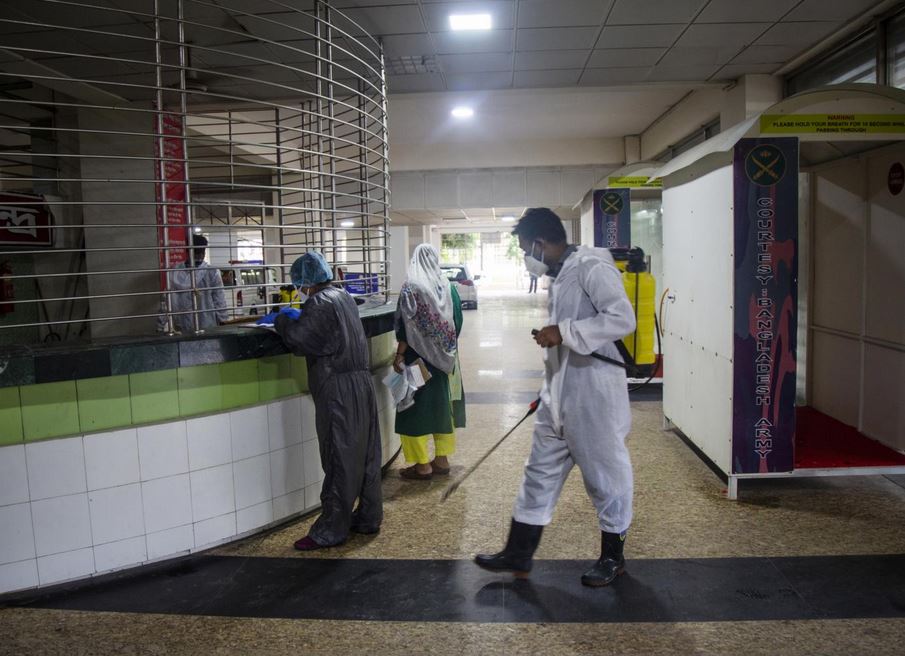
Shortfalls in implementation: Despite having well-intentioned health policies, Bangladesh struggles in implementation. As of 2025, the country has only about 143,000 hospital beds grossly inadequate for a population of over 180 million. According to the Institute for Health Metrics and Evaluation (IHME, 2024), 14 of the top 20 causes of death in Bangladesh are non-communicable diseases (NCDs) such as stroke, heart disease, COPD, and diabetes. Yet, less than 25% of the health budget is allocated for primary healthcare, where prevention is key. Meanwhile, seasonal outbreaks of infectious diseases continue to worsen. By October 18, Bangladesh had already recorded 58,899 dengue cases and 244 deaths, a chilling reminder of the fragility of the health system.
Low public spending, high out-of-pocket burden: The country’s public health financing is among the lowest in South Asia. In the 2025–26 national budget, only 0.74% of GDP was allocated to health. Consequently, citizens’ own pockets have become the primary source of healthcare funding. According to World Bank data, out-of-pocket spending stands at 72–73%, meaning nearly three-fourths of all health expenditures come directly from individuals’ incomes. Research by the Bangladesh Institute of Development Studies (BIDS) shows that around 6 million people fall below the poverty line each year due to medical expenses, many caused by misdiagnosis, unnecessary tests, or commission-driven referrals.

There is an urgent need for a clear regulatory framework ensuring that government-employed physicians dedicate their service hours fully to public hospitals. They should be compensated through structured overtime rather than private practice. Meanwhile, consultation fees, diagnostic charges, and report-review fees across both public and private sectors must be standardised and strictly regulated.
Ethics eroded by profit motives: The number of private hospitals and clinics has now surpassed 5,000, but quality and ethics remain questionable. In many cases, public hospital doctors provide superior services at private institutions, which is both unethical and unfair. The C-section rate in Bangladesh reached 68–74% in 2023, exceeding the World Health Organization’s recommendation of 15%, a clear indicator that profit has begun to outweigh patient safety. About 700,000 Bangladeshis travel to India, Thailand, Singapore, or Malaysia for medical treatment annually, spending US$3.5 to 4 billion. This represents not only a massive economic drain but also a profound erosion of trust in the national healthcare system.


A constitutional and moral obligation: The Constitution of Bangladesh guarantees healthcare as a fundamental right. Therefore, the state’s duty extends beyond constructing hospitals. It must ensure ethics, accountability, and transparency across both sectors. This demands strong and exemplary enforcement of laws. Mandatory registration and annual quality audits for all hospitals and clinics, with license cancellation and penalties for fraud, implementation of an e-health governance platform for real-time tracking of prescriptions, test orders, and billing to identify ‘ghost reports’ and over billing. Strict ‘No Gift, No Kickback’ policy to eliminate financial relationships between doctors and pharmaceutical companies. Enactment of a Patients’ Rights Act guaranteeing transparent billing, the right to a second opinion, privacy protection, and grievance redress mechanisms.
Small yet decisive reforms like these can transform hospitals from profit-driven enterprises into sanctuaries of compassion and trust.
Universal health insurance- A timely necessity: Currently, only 5% of Bangladeshis are covered by any form of health insurance. The introduction of a universal or progressive health insurance system is now essential. The state can subsidise premiums for the poor, provide affordable packages for the middle class, and guarantee national coverage for major diseases. Investing in primary healthcare pays off significantly: according to WHO, every $1 invested at the primary level saves $4 in future treatment costs. Empowering community health workers with certified career paths and performance incentives could greatly improve NCD screening, maternal care, and medication management.
Restoring humanity to medicine: Today, the doctor-patient relationship has become increasingly mechanical. The compassion, empathy, and responsibility once central to medical practice are fading. According to the Bangladesh Medical and Dental Council (BMDC), over 350 complaints of medical negligence were filed in the last three years, but disciplinary action was taken in only 17 cases, a leniency that deepens public resentment. What Bangladesh needs now is not just development, but a moral awakening in healthcare. Medicine must once again become a service to humanity, not merely a profession. All stakeholders, the state, the medical community, and citizens must share this responsibility. If we fail to enforce accountability and ethics now, healthcare will devolve into a chaotic marketplace where humanity loses to profit. The choice is ours: either the health sector abides by law, or the law must be made to discipline it.
Citizens pay taxes; in return, they deserve affordable, humane, and reliable medical care. Healthcare is not a commodity; it is a matter of life and dignity. If the state fulfills this moral duty, it will restore not only health but also trust, justice, and humanity.
Finally, doctors must remember that their medical education and training are financed by the taxes of ordinary citizens. Their moral responsibility is, therefore, to transform medicine from a mere profession into an act of public service. The government, too, should require every medical student to sign a ‘Service Commitment Undertaking’, pledging ethical duty and social responsibility toward the people of Bangladesh.
The writer is a Deputy Director (Faculty HR) at North South University