Patients seeking treatment at Cumilla Medical College Hospital are being charged for ECG tests without receiving official receipts, while those paying extra for echocardiograms are receiving preferential treatment. Thousands of medicines are also unaccounted for, and hospital supplies are being procured at inflated prices.
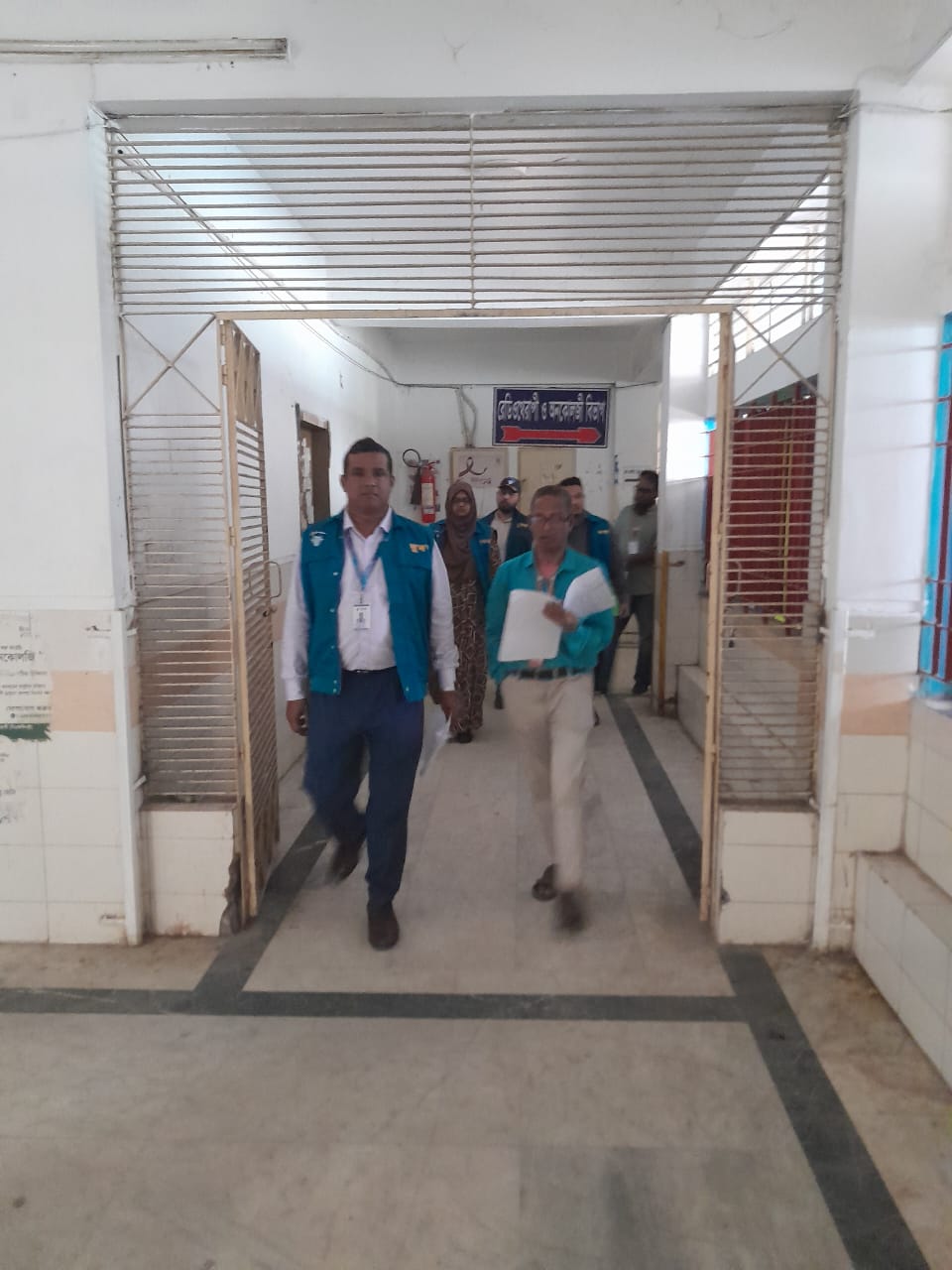
An enforcement team from the Anti-Corruption Commission (ACC) uncovered preliminary evidence of these irregularities during a drive at the hospital on Wednesday.
Discrepancies between physical medicine stocks and official registers have also raised suspicions that government-supplied medicines are being sold outside the hospital or misappropriated.
ECG fees go unaccounted for
According to ACC findings, patients at the hospital’s cardiology department were charged Tk80 for each electrocardiogram (ECG) without being issued official receipts.
Cardiographer Mohammad Hafizur Rahman, who was responsible for conducting the tests, kept records of payments on small slips of white paper. He subsequently entered payment details for only 30 to 50 patients in the official register at his discretion.
However, between 230 and 250 patients undergo ECG tests daily from 9am to 2pm. The ACC found preliminary evidence that fees collected from a large number of patients were not deposited into government accounts.

During the drive, officials recovered a receipt book from Hafizur’s drawer and found that the patients’ copies of receipts had been retained rather than issued to them.

Verification of several patients’ ECG reports revealed that although they had paid Tk80 each, their payments were neither recorded in the register nor acknowledged with receipts.
The employee failed to provide a satisfactory explanation during questioning.
Pay extra for faster echo tests
The ACC also found evidence of overcharging for echocardiograms.
Although the government-fixed fee is Tk200, patients were being charged between Tk300 and Tk500, an extra Tk100 to Tk300.
Those paying the additional sum were granted immediate access to the tests, while other patients were made to wait between two and four days.


The ACC also noted that employees responsible for conducting the tests maintained separate patient lists on sheets of white paper.
Thousands of medicines unaccounted for
Significant discrepancies were also detected in the hospital’s medicine inventories.
An examination of the stock register at medicine distribution centre 138 in the outpatient department revealed that records were not regularly updated; instead, entries were made every few days at the convenience of the employees concerned.
Physical verification of several medicines revealed discrepancies against the recorded inventories.
The register showed a stock of 26,600 strips of montelukast, yet only 25,600 were found, leaving a shortage of 1,000 strips.


Similar irregularities were detected at the hospital’s central medicine store.
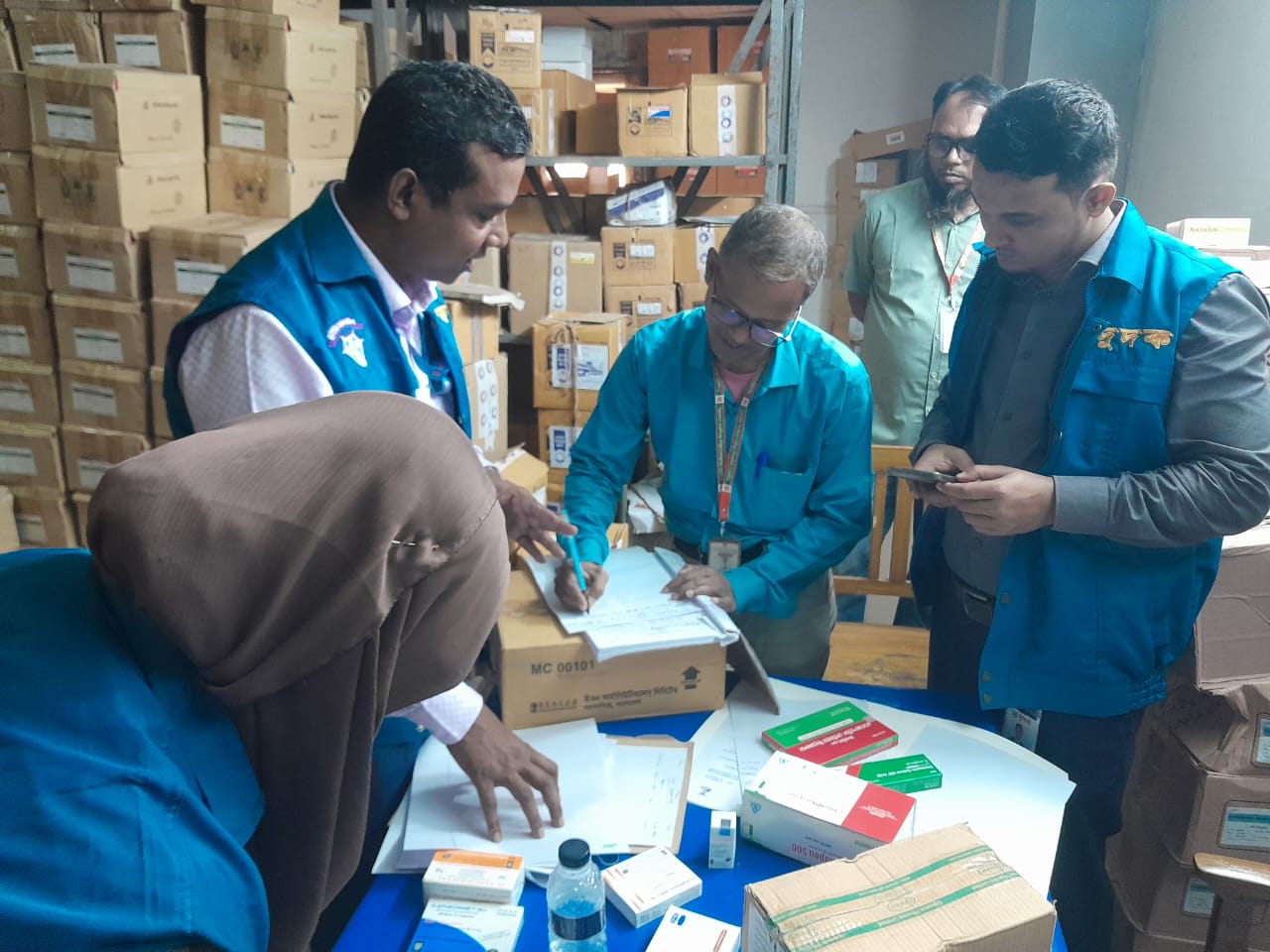
During an inventory check conducted in the presence of storekeeper Shyamal Kanti Roy, ACC officials found only 17,609 units of medicines manufactured by Eskayef and Beacon Pharmaceuticals against a recorded stock of 24,265 units.
The storekeeper could not account for the remaining 6,656 units.
Meanwhile, only 19,100 hydrocortisone 100mg injections were found against a recorded stock of 20,101, leaving a shortfall of 1,001 injections.
Several types of injection packaging also lacked markings or seals identifying them as government property.

The ACC stated that the inventory shortages and the absence of government markings had raised suspicions that the medicines were being sold outside the hospital or misappropriated.
Supplies bought at inflated prices
The anti-graft watchdog also discovered unusually high prices in the procurement of hospital cleaning supplies after examining invoices for products supplied by M/s Mithil Enterprise and comparing them with prevailing market rates.
Meril soap, priced at Tk60, was purchased for Tk89, while toilet cleaner costing Tk140 was bought for Tk249.
Phenyl costing Tk200 was purchased for Tk399, while tissue paper priced at Tk25 was bought for Tk69, and handwash costing Tk100 was billed at Tk190.
Similarly, washing powder priced at Tk180 was purchased for Tk380, plastic water pots costing Tk80 were bought for Tk149, and water jugs priced at Tk130 were billed at Tk370.
The ACC found preliminary evidence that various products had been purchased at between 1.5 and three times their market prices, raising concerns over the waste and possible misappropriation of public funds.
The three-member enforcement team was led by Md Emran Hossain, Assistant Director of the ACC Cumilla Integrated District Office. The other members were Deputy Assistant Directors Siddiqur Rahman Rubel and Sanjida Akter Shila.
Following the drive, the ACC said it had requested additional documents relating to the allegations, though those concerned had sought more time to submit them.
A comprehensive report will be submitted to the commission once the necessary documents are collected and scrutinised.