
China, Japan and several other major US trading partners have objected to new tariff increases proposed by the Trump administration, rejecting claims that their manufacturing industries operate with excessive production capacity that harms US businesses.
The proposed tariffs, announced on Wednesday and expected to take effect early next year, are aimed at restoring trade measures against a number of economies after a US Supreme Court ruling in February invalidated most of US President Donald Trump’s sweeping tariffs imposed last year.
The new duties follow a months-long investigation conducted under Section 301 of US trade law. US Trade Representative Jamieson Greer said the inquiry found that the manufacturing policies and practices of 14 economies create excess production capacity that unfairly burdens or restricts American commerce, reports CBC News.
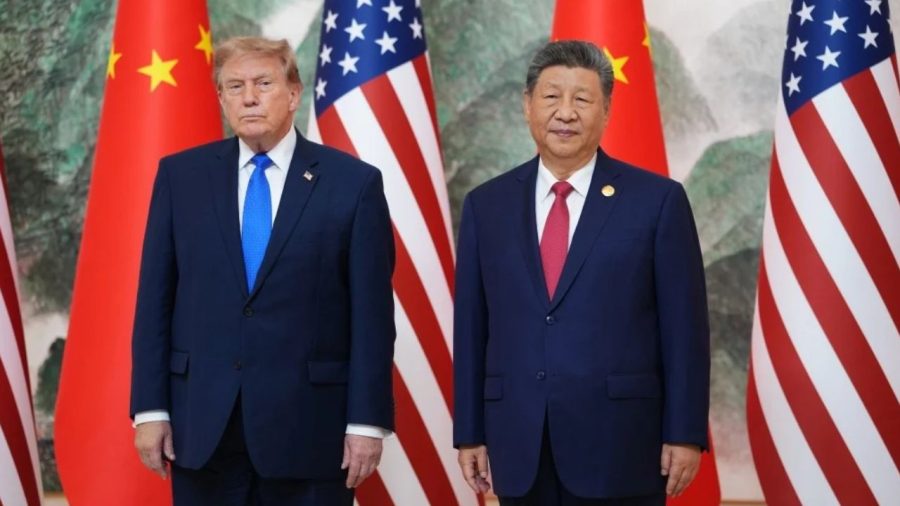
China, one of the United States’ largest trading partners, is set to face a 20 per cent tariff under the proposal. The Chinese government strongly rejected the accusation of industrial overcapacity, describing it as a “false premise.”

Foreign Ministry spokesperson Guo Jiakun said Beijing opposed using the issue as a justification for political action and warned that tariff and trade conflicts benefit no one. He added that China would take necessary steps to safeguard its legitimate rights and interests. The proposed tariff could rise to 40% if Washington determines that China is not cooperating sufficiently.
The latest developments come as both countries continue a temporary trade truce that has been extended by an additional two months and is due to expire on 10 January 2027. The United States and China have also agreed to reduce tariffs on certain non-sensitive products included on reciprocal trade lists worth about $60 billion.
Japan, which faces potential US tariffs of up to 15 per cent, also formally protested the move. Chief Cabinet Secretary Minoru Kihara said Japan neither pursues non-market economic policies nor has structural overproduction issues, making the US decision regrettable. Tokyo has already communicated its objections to Washington, he added.


Singapore expressed disappointment over the proposal, which could impose tariffs of up to 20 per cent on its exports. Its Ministry of Energy, Trade and Industry said Singapore’s economic policies do not shield domestic markets from competition or provide export-oriented manufacturing subsidies.
Malaysia similarly rejected claims that its manufacturing sector contributes to market distortions through excess production. Authorities said they would continue consultations and engagement with the United States on the matter.


Vietnam, which could face tariffs as high as 35 per cent, said it remains engaged in negotiations with Washington aimed at reaching a trade agreement.
According to analysts, the 14 economies targeted by the proposed measures collectively account for roughly half of the global economy, underlining the significance of the dispute.

Stephen Brown, chief economist at Capital Economics, said the latest tariffs may be less disruptive than they initially appear because they largely replace earlier tariffs announced in July in connection with allegations of forced labor, rather than introducing entirely new duties.
However, he warned that the measures could still contribute to higher prices and may keep inflation in the goods sector elevated into next year.
Thailand, meanwhile, welcomed what it described as a more favorable outcome than anticipated. Government spokesperson Lalida Persvivatana said the proposed US tariff ceiling of 18 per cent was lower than expected. She added that Bangkok would continue talks with Washington in an effort to secure more competitive tariff rates and additional exemptions for Thai products while protecting the country’s export interests.
The European Union also rejected Washington’s criticism. The 27-member bloc, which could face tariffs of up to 15 per cent, dismissed suggestions that Europe is a source of structural industrial overcapacity and pointed to the absence of coordinated action between Brussels and Washington on the issue.