




The BNP leadership has taken initiative to resolve growing discontent among allied parties, as negotiations over seat allocation remain unresolved just weeks before the deadline for filing nominations.
Rather than forming a formal electoral alliance, BNP is now leaning towards limited seat-sharing arrangements to placate its partners, party sources say. The final decision, however, rests with BNP’s acting chairman Tarique Rahman, whose approval is required before any agreement can be sealed.
Allied leaders want an immediate resolution, warning that delays could deepen frustration within the coalition. BNP leaders, meanwhile, say a few more days may be needed, leaving the party hierarchy waiting for Tarique’s directive—either from London or after his return to Bangladesh on 25 December.
Once a decision is taken, seat distribution between BNP candidates and allied parties is expected to be finalised swiftly, ahead of the 29 December nomination deadline.
Tarique Rahman directs candidates as campaign preparations intensify
Amid coalition uncertainty, BNP’s central leadership has intensified preparations for the election. On Wednesday, Tarique joined a virtual meeting from London with 107 prospective BNP candidates from the Rajshahi, Khulna and Rangpur divisions, covering constituencies within BNP’s declared list of 272 seats.
During the meeting, Tarique outlined campaign strategies and candidate responsibilities, emphasising grassroots outreach and unity to secure victory for the party’s sheaf of paddy election symbol.
BNP Secretary General Mirza Fakhrul Islam Alamgir, who was present at the meeting along with majority of the members of the party’s standing committee, urged candidates to avoid internal factionalism and work collectively with local leaders and activists.
Candidates were instructed to conduct door-to-door campaigning, maintain broad local engagement, and refrain from forming rival groupings within constituencies.
Similar meetings will be held with prospective candidates from Dhaka, Sylhet, Barishal, Chattogram and Mymensingh divisions. Once consultations with all potential candidates are completed, BNP will issue formal authorisation letters signed by Secretary General Fakhrul.
Following receipt of the letter, candidates must collect nomination forms from their respective district administration offices and submit their papers as BNP nominees by 29 December. Party sources say that although 272 seats have been announced, authorisation letters are being issued selectively to candidates who have been finalised.
Allies press for seats, warn of deepening rift
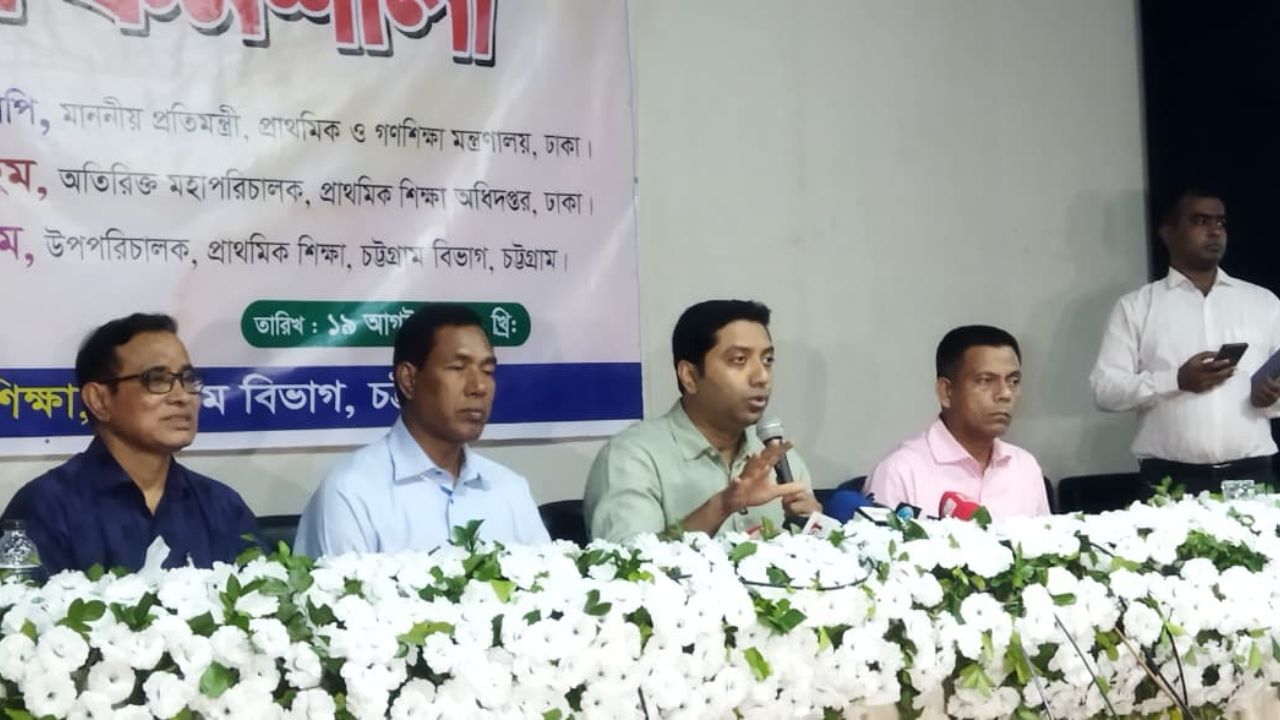
Earlier on Wednesday, BNP’s top leadership met leaders of allied parties at the party chairperson’s Gulshan office, as tensions mounted within the broader opposition bloc.
Representatives of the 12-party alliance presented a list of demands, seeking the allocation of at least nine constituencies. They also demanded that in Narail-2, BNP withdraw its prospective candidate in favour of Fariduzzaman Farhad, president of the Bangladesh People’s Party.
BNP leaders told their allies that all demands were subject to internal discussion and that a final decision would be communicated later.
The allied delegation was led by Syed Ehsanul Huda, a senior leader of Bangladesh Jatiya Party, who said talks focused on seat reorganisation. Fariduzzaman Farhad confirmed that discussions had taken place and said BNP’s high command would take a final call.
Symbol dilemma complicates alliance strategy
BNP leaders acknowledge that the election symbol issue has emerged as a major obstacle. Party strategists fear that candidates from allied parties contesting under their own symbols would face a significantly higher risk of defeat.
For this reason, BNP has insisted that any candidate wishing to contest using the sheaf of paddy symbol must formally join the party—a condition that has divided allied leaders and stalled consensus.
Internal debates within the alliance have produced conflicting views, leaving the future of a formal electoral coalition uncertain. As a result, BNP is increasingly inclined towards offering a limited number of seats to allies through ad hoc arrangements rather than forming a unified electoral bloc.
Party insiders say Tarique has already instructed the leadership to move quickly, citing the tight electoral calendar. With the schedule announced and his return imminent, he has stressed the need to finalise both party nominations and allied seat-sharing arrangements without further delay.
Allied leaders, however, have warned BNP that failure to resolve the issue within days could lead to greater complications.


