





Bangladesh has sought Australia’s support in its bid to join the Regional Comprehensive Economic Partnership (RCEP), an existing Asia-Pacific trade bloc, as Dhaka looks to expand market access and strengthen regional economic integration ahead of its graduation from the least developed country (LDC) category.
The issue was discussed during high-level bilateral meetings in Canberra, alongside Bangladesh’s proposal for a free trade agreement (FTA), extension of LDC transition timelines and greater cooperation in industry, energy and skills development.
According to a Commerce Ministry press release on Thursday, a Bangladesh delegation led by Commerce Secretary Md Ataur Rahman Khan held separate meetings with Ravi Kewalram, First Assistant Secretary of the Free Trade Agreements and Stakeholder Engagement Division at Australia’s Department of Foreign Affairs and Trade (DFAT), and Sarah Storey, First Assistant Secretary of DFAT’s South and Central Asia Division.
The discussions focused on three priority areas for Bangladesh — joining RCEP, securing support during the LDC graduation process and expanding bilateral trade and industrial cooperation.
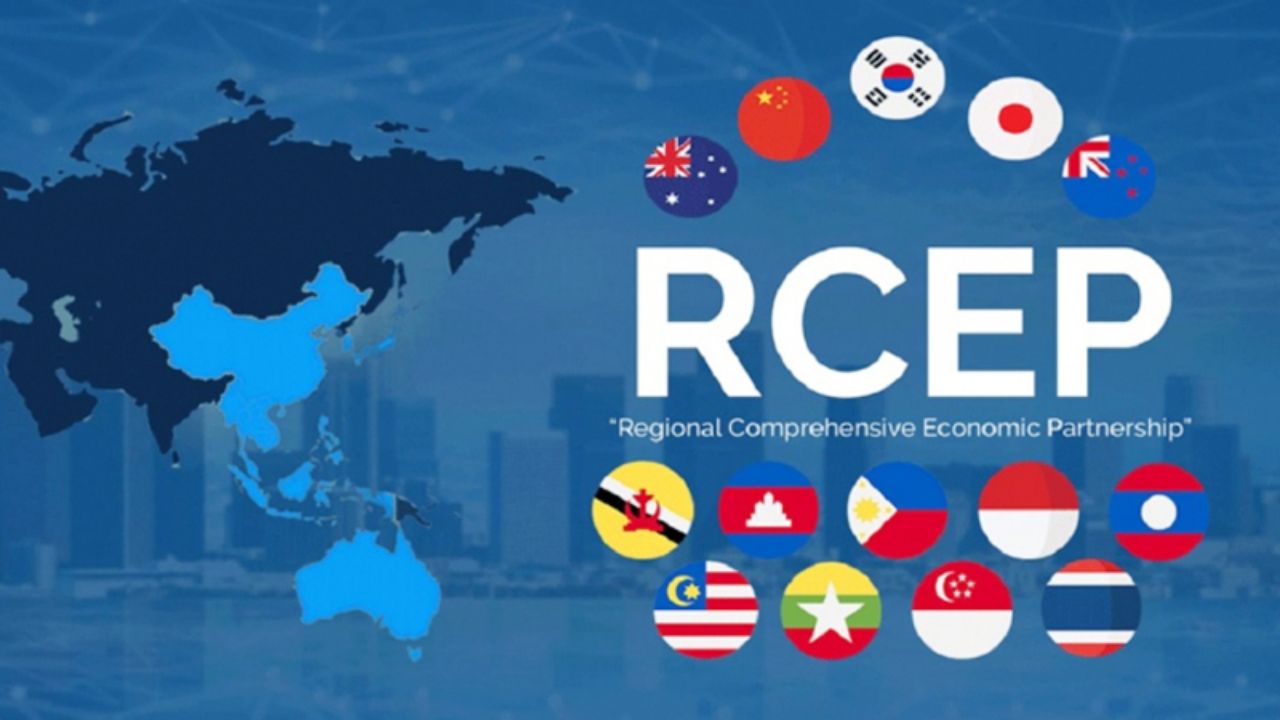
RCEP is an existing free trade agreement among 15 Asia-Pacific economies, comprising the 10 ASEAN members along with Australia, China, Japan, South Korea and New Zealand. The agreement entered into force on 1 January 2022 and is one of the world’s largest trade blocs, accounting for around 30% of global GDP and nearly one-third of the global population.
The trade pact aims to reduce barriers to trade in goods and services, encourage investment and strengthen regional supply chains among member economies.
For Bangladesh, joining RCEP could provide a pathway to deeper integration with East Asian and ASEAN supply chains and create new market opportunities for key sectors, including ready-made garments, textiles, pharmaceuticals, agricultural products and light engineering.
Dhaka believes membership would also help it manage the challenges of losing some preferential trade benefits after LDC graduation and position Bangladesh as a bridge between South Asia and the wider Asia-Pacific region.
Bangladesh has already submitted its formal RCEP accession questionnaire and started aligning relevant laws on intellectual property, competition and personal data protection with RCEP requirements.
As a founding member of RCEP, Australia’s support is considered important by Dhaka in advancing the accession process.
The two sides also discussed Bangladesh’s request to extend its LDC graduation timeline until November 2029. Dhaka has sought the extension from the United Nations, citing global energy price pressures, trade disruptions and recent domestic economic challenges.
The UN Committee for Development Policy has already recommended the extension, with the final decision expected at the UN General Assembly in September.
Bangladesh thanked Australia for continuing duty-free and quota-free market access for its products and sought Canberra’s support to maintain the facility after graduation.
Dhaka also proposed negotiating a bilateral FTA with Australia. Canberra said it would determine its next steps after consultations with relevant stakeholders.
The two countries explored new areas of industrial cooperation, including opportunities for Bangladesh to use Australia’s high-quality wool and cotton to produce higher-value apparel products.
Bangladesh’s garment industry was identified as a potential destination for Australia’s premium natural fibres, which could support the country’s move towards more value-added manufacturing.
The talks also covered cooperation in clean energy technology, power grid modernisation and workforce development through Australian technical and vocational education and training (TVET) institutions.
The two sides discussed Australia’s support for strengthening Bangladesh’s trade negotiation capacity and continuing the “Bilateral Trade Negotiations” training programme.
Both countries agreed to continue regular dialogue on Bangladesh’s RCEP accession process, coordination at the UN General Assembly and engagement through working groups under the Trade and Investment Framework Arrangement (TIFA).
However, Bangladesh’s entry into RCEP will require approval from existing members and further alignment of domestic policies in areas including trade, services, investment, competition policy, intellectual property and personal data protection.
The Bangladesh delegation expressed hope that the initiatives would elevate bilateral trade relations and create new economic opportunities for both countries.


