

Ashkar Dighi does not announce its presence anymore. You sense it first through the smell. A sharp, suffocating stench hangs in the air, forcing passersby to cover their noses. What was once a serene historic water body in the heart of Chattogram has now turned into a health hazard, silently poisoning its surroundings.
The water of Ashkar Dighi has turned an unnatural shade of green, thick with algae, plastic waste and sewage. Around the dighi, life continues as usual. Clothes are washed, utensils are cleaned, children play nearby, yet the risks are visible and growing. Locals say skin diseases, itching and infections have become common, especially among those who come into regular contact with the water.
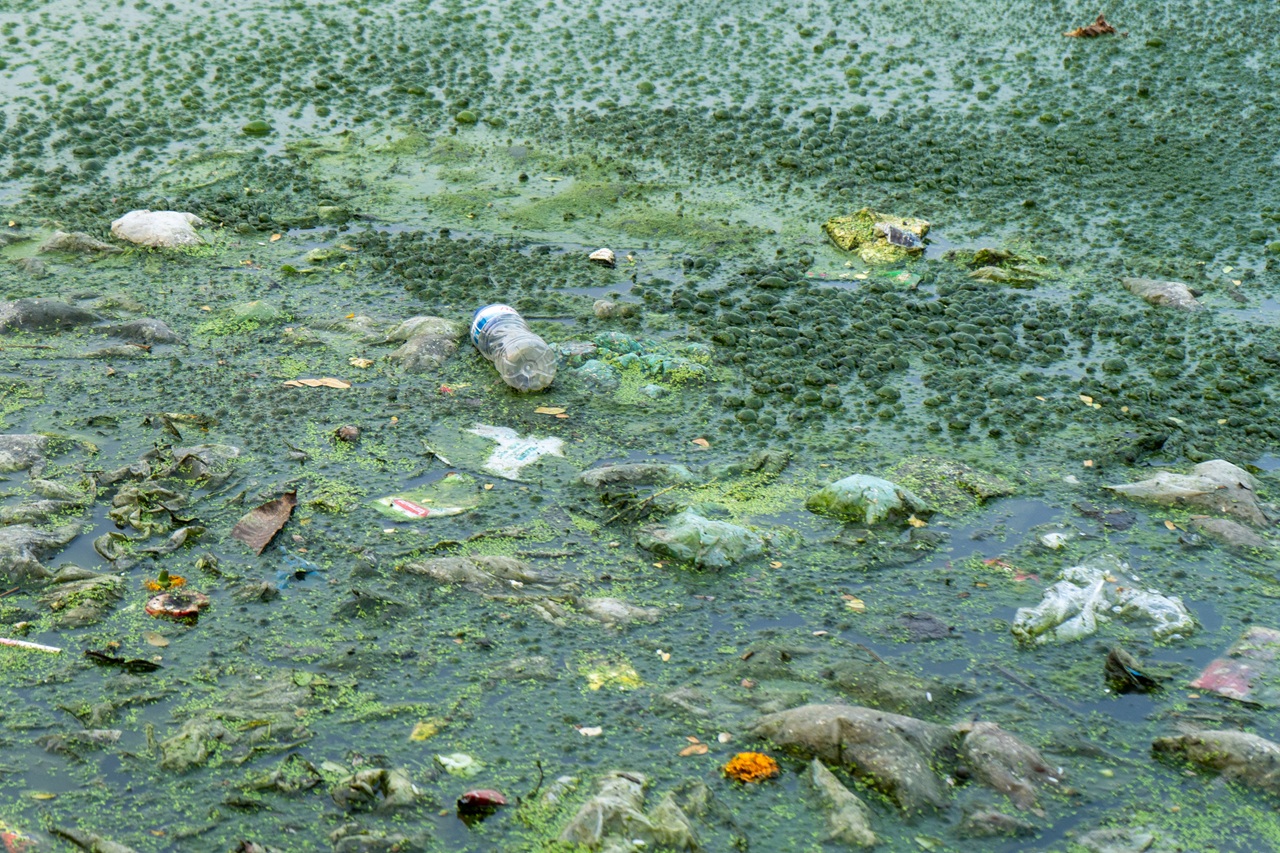
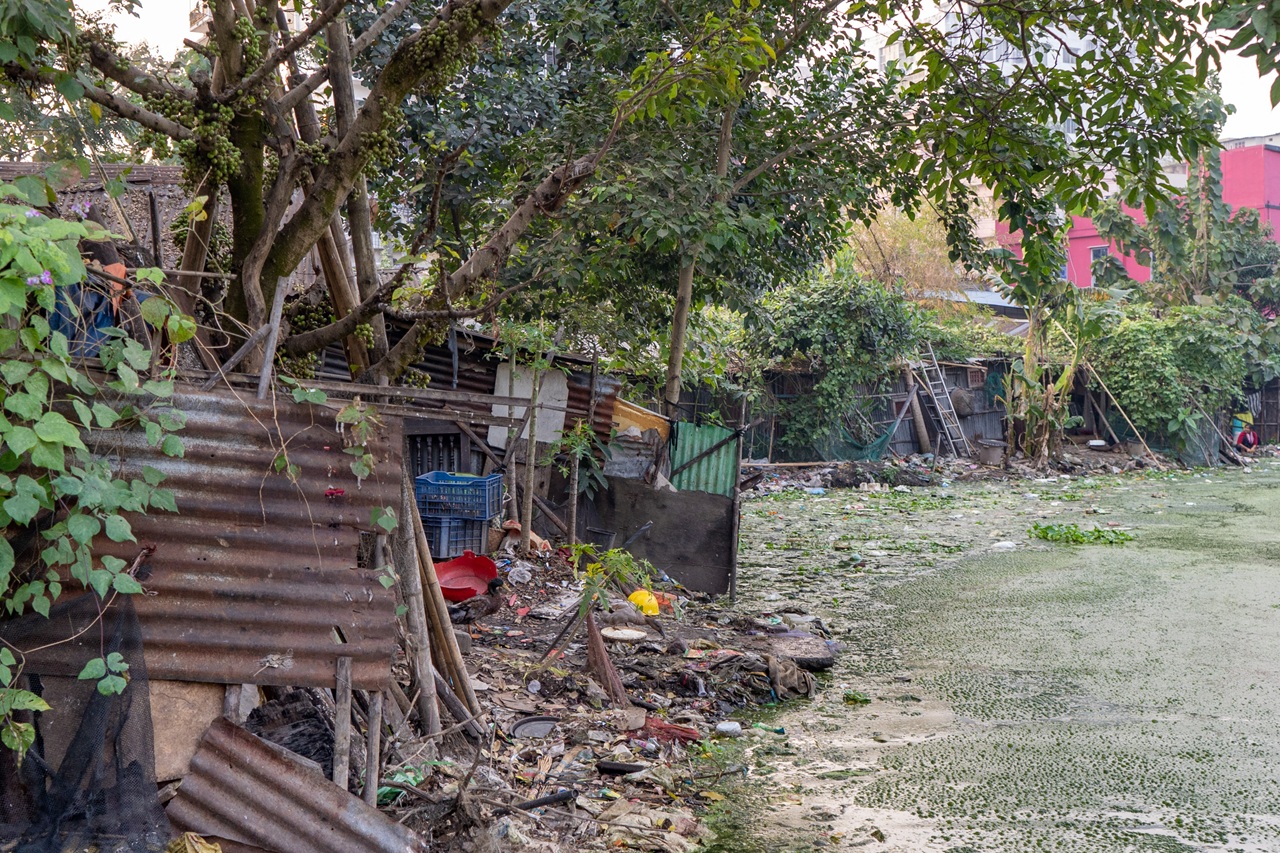
A visit to the site reveals the scale of neglect. Along the eastern and southern banks of the dighi, nearly a hundred tin-shed houses have been built illegally. Semi-permanent and concrete structures stand where water once flowed freely. From these homes, polythene, household waste and untreated sewage are dumped straight into the dighi every day. With no proper waste management system in place, years of accumulated filth have transformed the water body into a stagnant, living drain.
Ashkar dighi dates back around 450 years. After the Mughals defeated the Arakanese and captured the Chittagong fort in 1666, the region came under Mughal administration. Among the Mughal faujdars appointed to govern Chattogram was Nawab Askar Khan, who served from 1669 to 1671. During that period, the fort housed nearly 10,000 soldiers. To ensure a steady water supply for the troops, Askar Khan ordered the excavation of this large pond, later known as Ashkar Dighi.




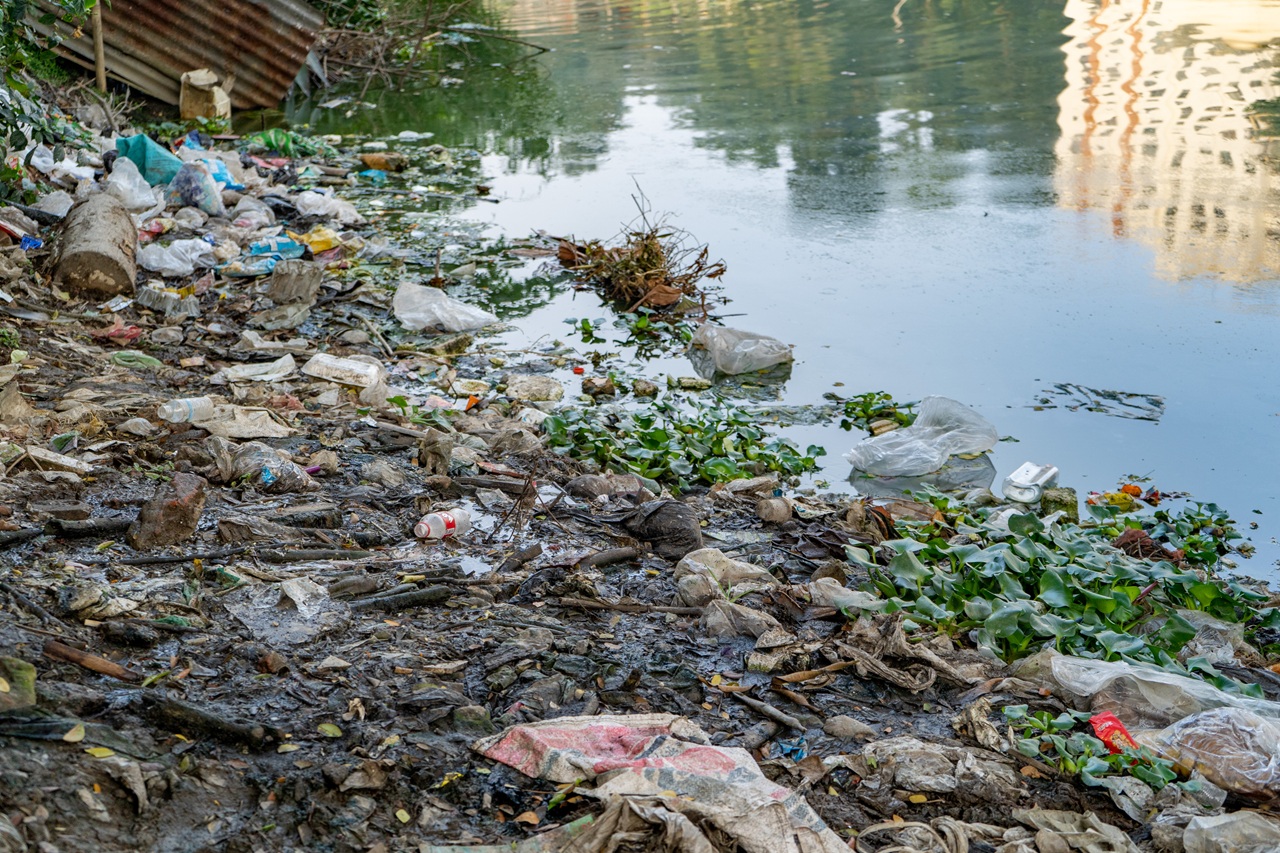
According to a study published in 2021, Chattogram is losing wetlands at an alarming rate, nearly 10 per cent every year compared to the previous year. The study identifies unplanned commercial development, lack of environmental awareness and corruption as the main reasons behind the filling and disappearance of urban wetlands.

Environmental officials warn that the consequences go far beyond bad smell and dirty water. Sonia Sultana, Director of the Department of Environment, Chattogram Metropolitan, said the shrinking of water bodies is creating a severe shortage of potable water in the city. “The ecological balance is being destroyed,” she noted. “Many high-rise buildings are being constructed by filling up water bodies. These structures are extremely risky. If an earthquake of magnitude six occurs, there is a strong possibility that they will collapse.”
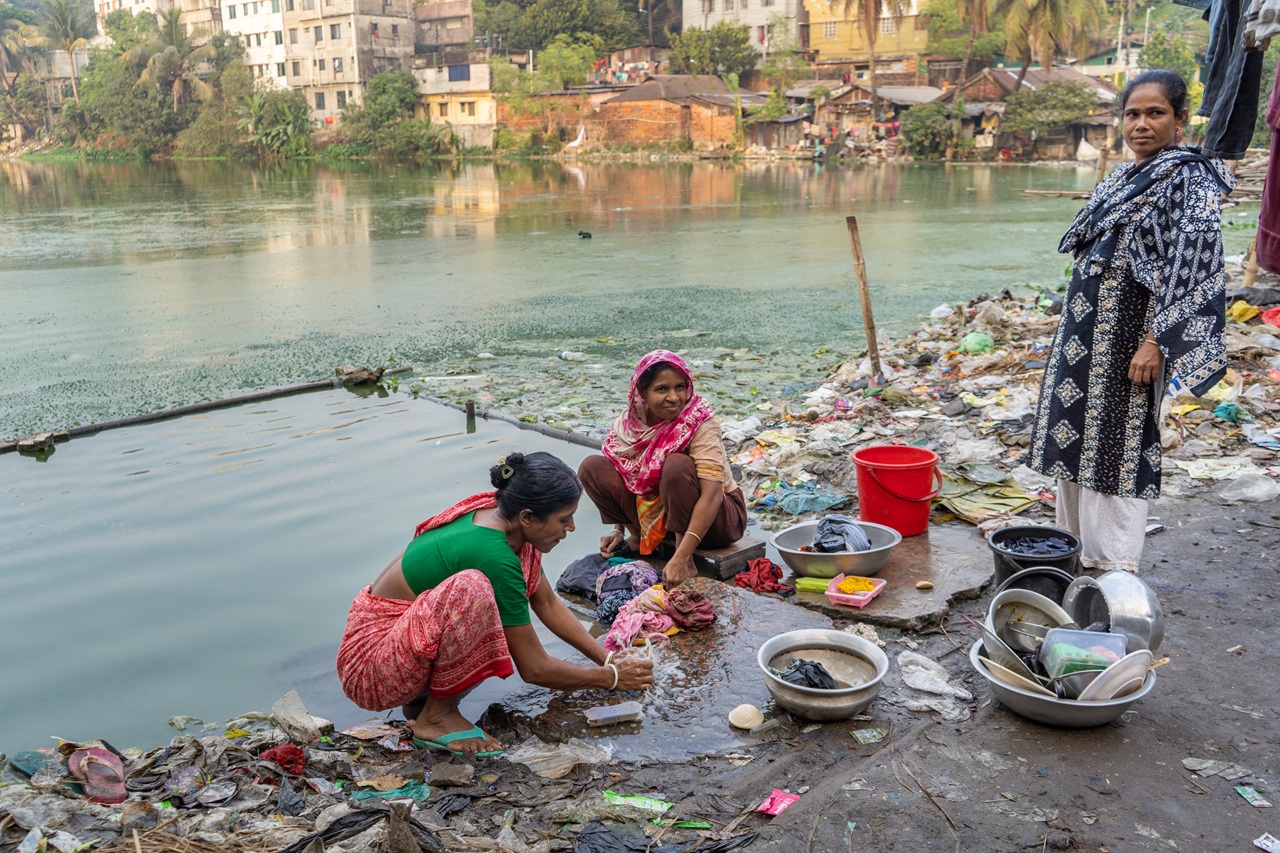
Environmental experts also point out that wetlands act as natural recharge systems for groundwater. When ponds and dighis like Ashkar Dighi are polluted or filled up, groundwater levels drop rapidly. This puts enormous pressure on urban water supply systems and threatens long-term sustainability.
Ashkar Dighi today stands as a symbol of history ignored, of development without planning, and of a city slowly losing its natural safeguards. If immediate steps are not taken to remove illegal structures, stop waste dumping and restore the water body, Chattogram may soon lose yet another piece of its heritage.