





As African nations undergo rapid industrialisation, governments are increasingly prioritising the protection of sensitive materials to ensure economic progress is not undermined by security breaches.
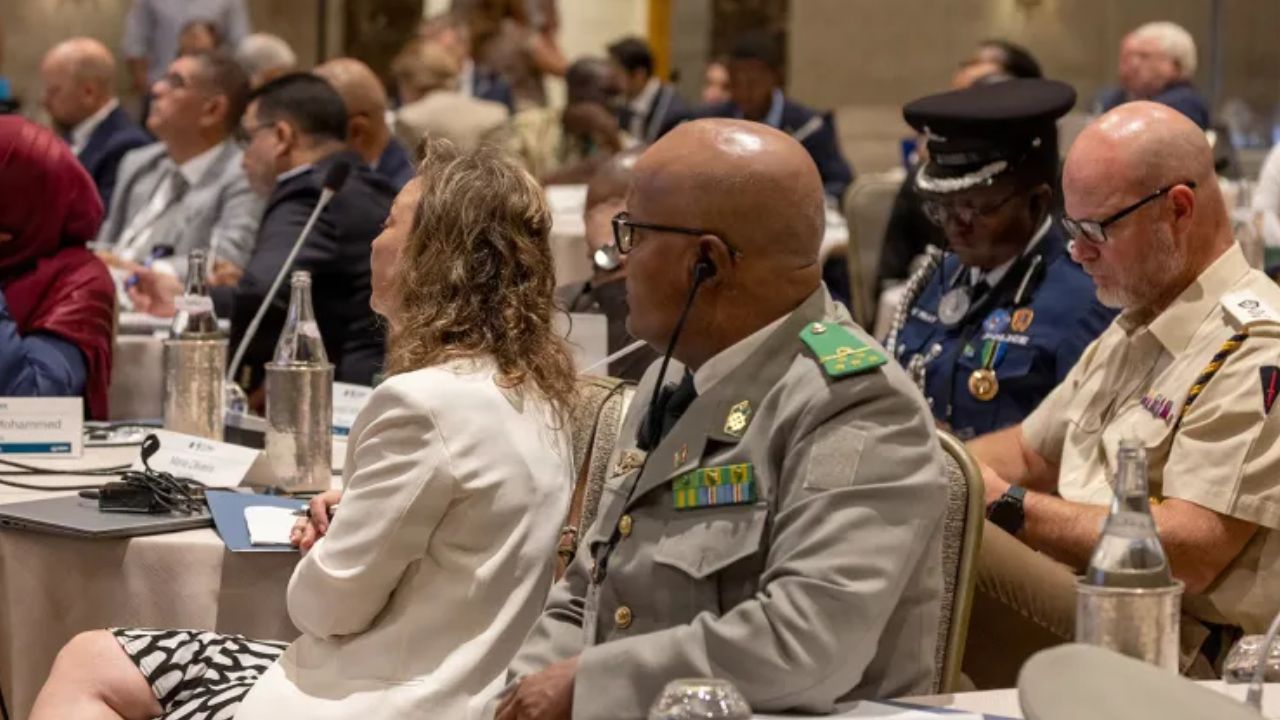
This issue was the focus of Africa Shield 2026 Regional Counterproliferation Workshop, which took place in Tunis, Tunisia, from 14 to 16 July, reports Al Jazeera.

The event convened more than 100 delegates, including law enforcement officers, military representatives, and policymakers from across the continent.

The primary objective was to bolster cooperation regarding the security of chemical, biological, radiological, and nuclear (CBRN) materials. While these substances are essential for modern healthcare, mining, and research, they pose significant risks if they are stolen or diverted for illicit use.
A shift in security priorities
For many years, security strategies in Africa were primarily concerned with armed conflict and terrorism. However, the expansion of healthcare services and the acceleration of trade have led to a higher volume of sensitive materials circulating within the continent. These include radioactive sources for cancer treatment and various chemicals used in manufacturing.
Mubarak Aliyu, a political and security risk analyst based in Nigeria, told the sources that the challenge is to ensure that technological innovation is accompanied by effective oversight and secure handling practices. He noted that robust regulatory systems must prevent misuse without obstructing economic growth.
Focus on prevention
Now in its sixth year, the Africa Shield programme represents a strategic move from reacting to incidents to preventing vulnerabilities before they can be exploited.
The initiative focuses on risk reduction through enhanced border controls, export monitoring, and improved coordination between various government agencies.
The workshop was led by International Counterproliferation Program of the US Defense Threat Reduction Agency (DTRA), in partnership with the European Union Chemical, Biological, Radiological and Nuclear Centres of Excellence and the United Nations Interregional Crime and Justice Research Institute.
Major Brittany Brown, the coordinator for DTRA’s Global Threat Reduction Africa Region Counter Weapons of Mass Destruction Program, said the programme allows participating countries to share expertise and demonstrate “ownership of the counterproliferation problem set”.
The enforcement challenge
Despite the presence of legal frameworks in several African states, implementation remains inconsistent. Many authorities struggle with shortages of funding, specialised personnel, and the modern equipment required to monitor facilities and inspect shipments.
The difficulty of securing Africa’s extensive borders is further complicated by existing trafficking networks for narcotics and other illicit goods. Additionally, the growth of trade under African Continental Free Trade Area (AfCFTA) requires governments to balance security measures with the need for efficient commerce.
Phil Efe Benard, country director of African Chamber of Content Producers (ACCP) Nigeria, emphasised the importance of self-reliance, stating that the continent must build its own intelligence and forensic capacities rather than depending solely on foreign partners.
The workshop’s goals align with UN Security Council Resolution 1540, which requires nations to prevent non-state actors from obtaining weapons of mass destruction and related materials.
Experts at the event, including Kupagme, concluded that economic development and security should be “mutually reinforcing” to create a safe environment for innovation.


