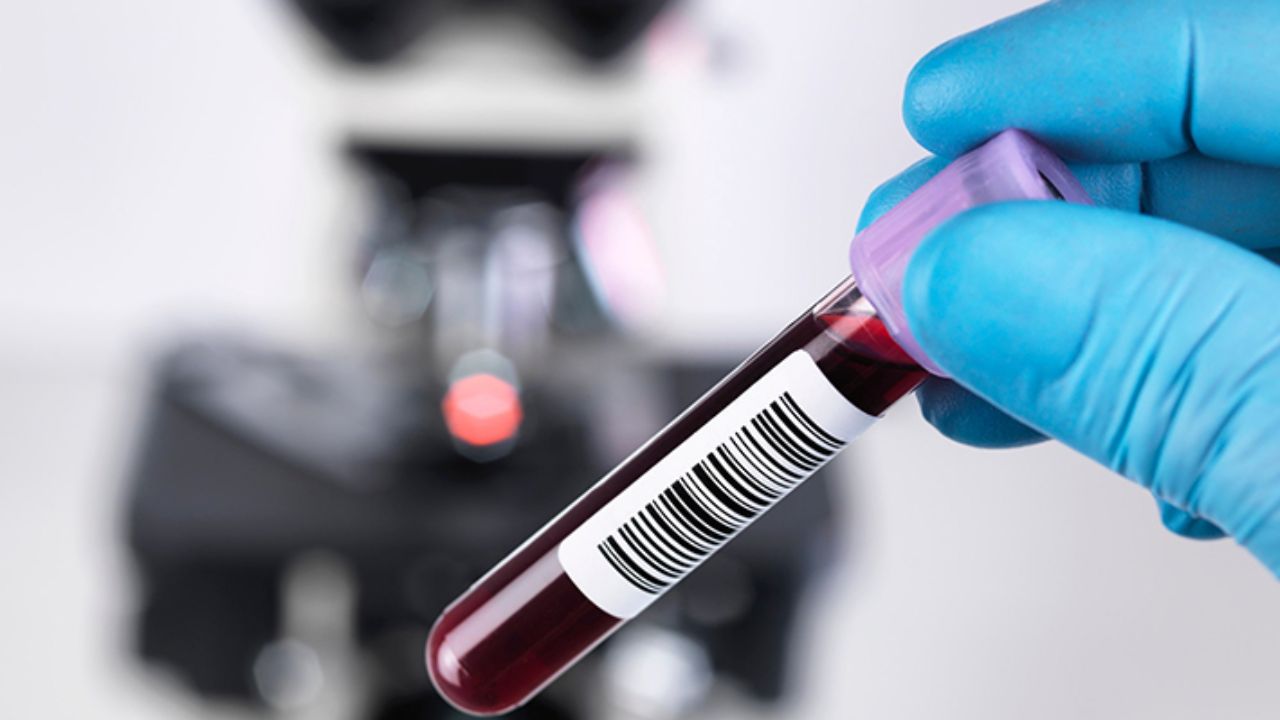

Abbott has launched its automated immunoassay analyser, Alinity-i, in Bangladesh to diagnose hepatitis and other infectious diseases amid growing calls by experts to expand advanced testing capabilities to tackle hepatitis detection and control challenges.
The machine was unveiled at a continuing medical education (CME) seminar titled “Elevating Hepatitis Diagnosis in Bangladesh: From Current Challenges to Next-Generation Solutions,” held at the United Convention Centre.
Capable of holding 150 samples simultaneously, the device can perform up to 200 tests per hour.
Silent threat and diagnostic challenges
Many individuals infected with hepatitis B and C remain unaware of their condition as infection can persist for years without symptoms, often leaving limited treatment options once liver complications develop.
At the seminar, experts highlighted limitations in hepatitis diagnosis across the country, testing accuracy, and the urgent need to enhance laboratory capacity.

Globally, around 240 million people live with chronic hepatitis B and 50 million with hepatitis C, leading to approximately 1.3 million deaths annually.
In Bangladesh, hepatitis B is a leading cause of chronic liver disease, cirrhosis, and liver cancer; however, experts pointed out that early detection and timely treatment can significantly cut complications and mortality.
Speaking at the event, Arifa Abrar, assistant professor of the virology department at the National Institute of Laboratory Medicine and Referral Centre (NILMRC), explained that hepatitis can spread through unsafe blood transfusions, re-using needles or syringes, contaminated medical and surgical equipment, and mother-to-child transmission.
She emphasised the necessity of testing blood recipients, dialysis and surgical patients, healthcare workers, and close family members of infected individuals, alongside patients presenting with elevated liver enzymes, cirrhosis, or liver cancer.




The assistant professor added that while rapid diagnostic tests are quick and easy to perform, their lower sensitivity and specificity mean a negative result cannot conclusively rule out infection, which may go undetected due to early-stage infection, low viral or marker loads in the blood, viral mutations, or procedural errors.
Overcoming limitations through automation
To overcome these limitations, she stressed the importance of expanding access to advanced testing methods such as ELISA or CLIA according to requirements, as well as PCR testing to confirm positive results.
She identified major barriers to hepatitis control in Bangladesh, including a lack of awareness, high costs of testing and treatment, poor patient follow-up with referral centres, and disparities in laboratory infrastructure.


She stressed that a laboratory’s responsibility extends beyond mere infection detection to ensuring strict quality control across every stage, from sample collection and preservation to reporting of results.
Pankaj Vishwakarma, area marketing manager of core diagnostics at Abbott, noted that laboratories must evaluate assay performance, accuracy, and early detection capabilities rather than focusing solely on the technology used.
He explained that while rapid tests carry error risks due to operator dependence and ELISA requires significant time and manual labour despite better sensitivity, automated CLIA and CMIA technologies enhance testing speed and minimise human error.

He shared that Abbott’s Alinity-i analyser operates on CHEMIFLEX chemiluminescence technology, featuring 47 refrigerated reagent positions and allowing continuous loading of new samples and reagents while running up to 200 tests per hour with a capacity of 150 samples.
The device can also be used for testing hormones, tumour markers, and various infectious diseases, with Abbott claiming high sensitivity and specificity for its HBsAg Next and Anti-HCV Next assays.
Comprehensive screening and guideline compliance
Dr Hussein Ali, associate director of infectious diseases and immunology at Abbott’s core diagnostics, pointed out that testing HBsAg alone provides an incomplete picture of a patient’s hepatitis B infection and immunity status.
He referenced the US Centers for Disease Control and Prevention (CDC) 2023 guidelines, which recommend testing for Anti-HBs and Anti-HBc alongside HBsAg to determine whether a patient is currently infected, recovered from a past infection, or protected by vaccination.
The associate director added that controlling hepatitis requires expanding diagnostic access, lowering treatment costs, maintaining laboratory quality standards, and establishing regular follow-up mechanisms for infected patients.
He also stressed the necessity of administering a hepatitis B birth dose vaccine to newborns immediately after birth, broadening adult vaccination coverage, and mitigating risks from unsafe blood and injection practices.