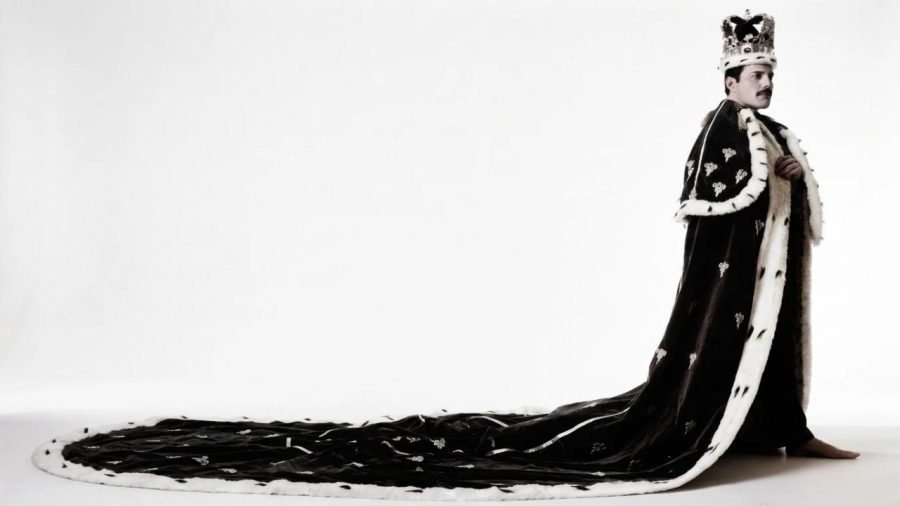



There was an unmistakable electricity whenever Freddie Mercury took the stage. One gesture, one soaring note, and thousands fell under his spell.
As 24 November returns each year, so does the memory of Mercury’s extraordinary voice. Thirty-five years after his death, the Queen frontman remains one of rock music’s most commanding figures.
Born Farrokh Bulsara on 5 September 1946 in Stone Town, Zanzibar, Mercury was the son of Parsi parents with roots in western India. At eight, he was sent to St Peter’s, a British-style boarding school in India. He learnt piano, formed a school band called ‘The Hectics’ and adopted the name Freddie, which would eventually appear on posters from Tokyo to Buenos Aires.

The Zanzibar Revolution prompted his family to move to England in 1964. Mercury brought his talent and, as he liked to say, four extra teeth, which he credited for the reach of his voice.
His journey to stardom was far from immediate. In London, he studied graphic art and design at Ealing Art College, graduating in 1969. He sold second-hand clothes at Kensington Market with fellow Queen member Roger Taylor, later worked at Heathrow Airport and briefly pursued a solo career as Larry Lurex.


His artistic training proved useful. Mercury designed Queen’s heraldic crest, featuring lions, a crab and fairies. His costumes, gestures and sweeping arm movements also reflected his creative eye and theatrical confidence.


In 1975, he completed ‘Bohemian Rhapsody’, a nearly six-minute song with no chorus and an operatic passage midway. The record label wanted it shortened, but Mercury refused. A friend helped bring radio DJ Kenny Everett into the picture. Given a copy with strict instructions not to play it, Everett played it 14 times over one weekend, joking that his finger had slipped. By Monday, record shops were flooded with requests.
The celebrated choral passage required an estimated 160 to 180 vocal overdubs by Mercury, Brian May and Roger Taylor. Recording continued until the tape wore thin. The song topped the British charts in 1975 and returned to number one 16 years later.

In April 1992, around 72,000 people attended a tribute concert at Wembley Stadium, while an estimated one billion watched worldwide. Proceeds helped establish the Mercury Phoenix Trust, which continues his legacy through its work against AIDS.