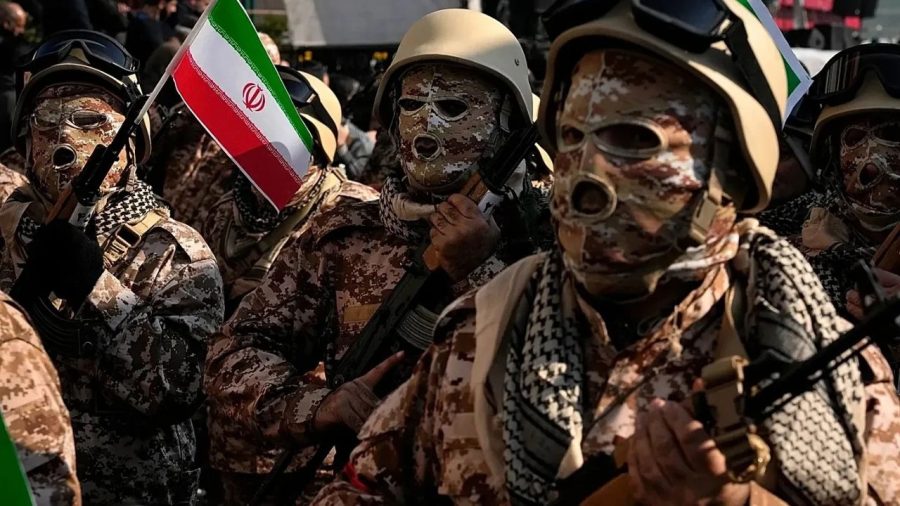



Iran’s chief negotiator and Parliament Speaker Mohammad Bagher Qalibaf has warned that Tehran remains prepared for renewed military confrontation, saying its forces are ready for battle and that the responsibility for preventing further escalation rests with Washington.
Speaking before parliament, Qalibaf said Iran had delivered a “firm and rational response” to the United States, adding that the ball was now in Washington’s court to prevent war.
His remarks followed limited US strikes against Iranian military positions on Qeshm Island in the Strait of Hormuz.
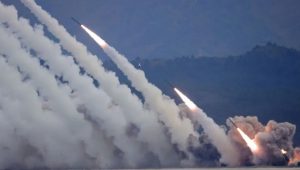
The strikes came after Iranian forces attempted to fire a surface-to-air missile at a US military aircraft operating near the strategic waterway, according to US officials cited by the Associated Press.
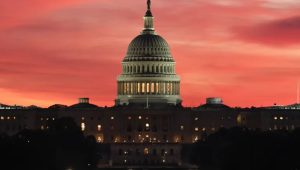
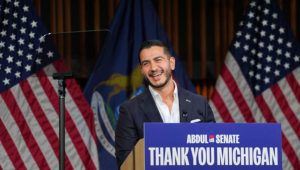
The escalating confrontation coincides with a major political setback for President Donald Trump, as Democrats have taken control of both chambers of Congress in the US midterm elections, capitalising on public frustration over the war with Iran and rising living costs.
Trump acknowledged that the conflict had contributed to Republican losses.
In a separate announcement, he said Washington would end its roughly $4 billion in annual financial assistance to Israel after 2026, although arms sales to the country would continue.

Tehran sees electoral verdict against war
Iranian officials have portrayed the Democratic victories as a rejection of Trump’s military campaign.
In a social media post, Qalibaf said American voters had “said NO TO WAR”, warning Washington against ignoring public sentiment.
Iranian President Masoud Pezeshkian has also indicated that diplomatic efforts remain possible, despite the growing military confrontation.
Indirect negotiations, mediated by Qatar, are continuing around a proposal containing seven conditions for ending the conflict and reopening the Strait of Hormuz.
Iranian officials have said the revised proposal could be implemented within two days if Washington accepts Tehran’s demands, according to the Associated Press.




However, the prospects for an agreement remain uncertain as both sides maintain their military positions.
Trump’s electoral setback and Israel aid decision
Trump acknowledged that the war with Iran had contributed to the Republican Party’s poor performance in the midterm elections.
“I think a part of it was Iran,” he told Fox News, referring to the factors behind the Democratic victories.
He nevertheless defended his decision to launch the military campaign alongside Israel in February, saying: “I did the right thing. I would have done it again”.
The election results mark a significant shift in domestic political dynamics, with Democrats gaining control of both the House and Senate and securing a stronger position to challenge Trump’s policies during the remainder of his presidency.
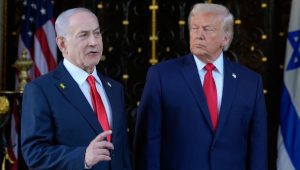
In a separate development, Trump announced that the United States would end its roughly $4 billion in annual assistance to Israel after 2026.
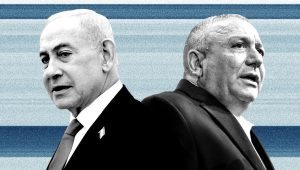
He said Israeli Prime Minister Benjamin Netanyahu had approached him about the arrangement and argued that Israel no longer needed the funding.
“Look, we give them $4 billion of things and money, and they don’t need it,” Trump said.
However, the announcement has raised questions about the future of the existing US-Israel military assistance agreement, which provides $3.8 billion annually and is due to expire in September 2028.

Trump did not explain how the arrangement would be brought to an early end. He indicated that arms sales would continue despite the planned withdrawal of annual assistance, Reuters reported.
Shipping attacks deepen Hormuz crisis
Military tensions have also intensified around the Strait of Hormuz, a critical international shipping route through which roughly one-fifth of global petroleum liquids consumption passes.
The Islamic Revolutionary Guard Corps (IRGC) has claimed that three oil tankers caught fire after striking naval mines while travelling through routes it considers unauthorised.
The claims have added to concerns over the safety of commercial shipping in the waterway.
The UK Maritime Trade Operations (UKMTO) agency reported that a tanker was struck by two unidentified projectiles in its engine room, about 14 nautical miles northeast of Limah, Oman, on November 3.
No casualties or environmental damage were reported.
In a separate incident, an Indian-crewed wooden dhow was attacked while sailing out of the Strait of Hormuz.
The Omani Royal Navy rescued the surviving crew, although UKMTO said the vessel’s status remained unclear.
The incidents underscore the growing risks to commercial shipping as the confrontation continues to disrupt maritime traffic through one of the world’s most important energy corridors.