Opposition parties in Bangladesh are losing confidence in the government over what they describe as a failure to implement promised reforms, irregularities, corruption and growing politicisation of state institutions.
They also question whether future elections can be held fairly if “partisan individuals” remain at Election Commission (EC).
The 11-party alliance led by Jamaat-e-Islami has warned that it may boycott upcoming local government elections unless partisan appointments are withdrawn.
Alliance leaders are also considering tougher programmes, including laying siege to EC if necessary, to press for the removal of Md Shamsul Alam.
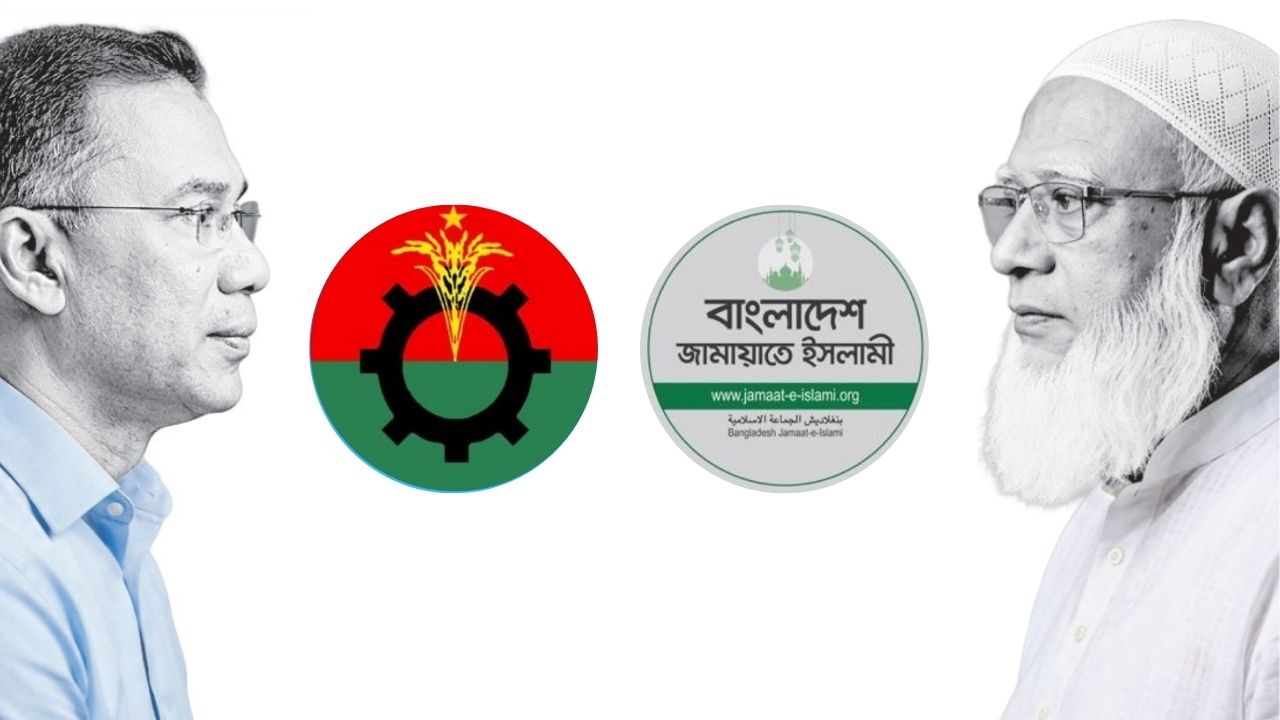
The issue has widened the rift between the ruling BNP and its former ally Jamaat. The Jamaat alliance says it will not compromise on reforms, electoral credibility and institutional neutrality.
National Citizen Party (NCP), a key alliance partner, also plans to continue opposing government decisions both in parliament and on the streets. Alongside alliance programmes, the youth-led party is preparing to remain active with its own political initiatives.
At the same time, Jamaat and its partners have no immediate plan to leave the alliance. Instead, they want to maintain unity and intensify pressure on the government over reform and governance issues.
The indications emerged from recent political activities by Jamaat and NCP, along with discussions with senior leaders of the two parties.
Jamaat Secretary General Mia Golam Parwar told TIMES, “Jamaat will not compromise even slightly on the dream of building a new Bangladesh through reforms. We will fight both in parliament and on the streets. We have already announced long march programmes over issues including reforms, politicisation and irregularities.”
However, senior BNP leaders view the position of their former ally differently.
“In most cases, there is a difference between the government and the opposition. From that perspective, they may be making such statements,” BNP acting secretary general Ruhul Kabir Rizvi told TIMES.
“The opposition has the right to hold peaceful democratic programmes on the streets. However, if the opposition believes only its demands must be accepted, then the July spirit is undermined. BNP wants solutions through discussions in parliament,” he added.
Although differences between BNP and the Jamaat alliance over reforms emerged after the government was formed, the rift became more visible after BNP leaders were appointed on contractual terms to senior positions in 12 important institutions, boards, EC and corporations on 23 July.
Opposition parties particularly objected to the contractual appointment of Md Shamsul Alam as additional secretary at the EC Secretariat. Alliance leaders believe the appointment was aimed at influencing future elections.
Before the last parliamentary election, Shamsul was part of a special committee formed under the leadership of BNP Standing Committee member and current prime minister’s Political Adviser Nazrul Islam Khan to review parliamentary constituency delimitation.


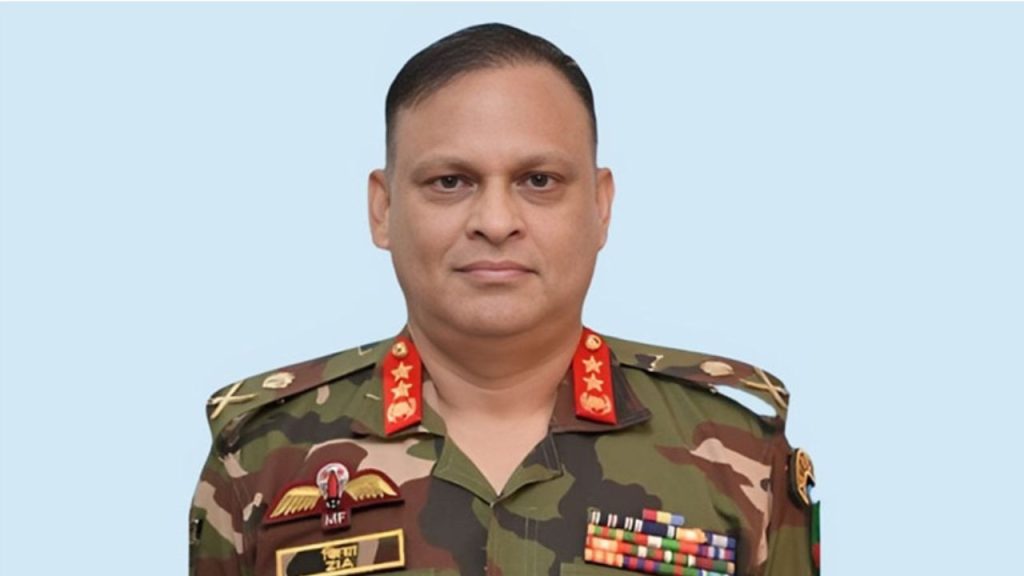
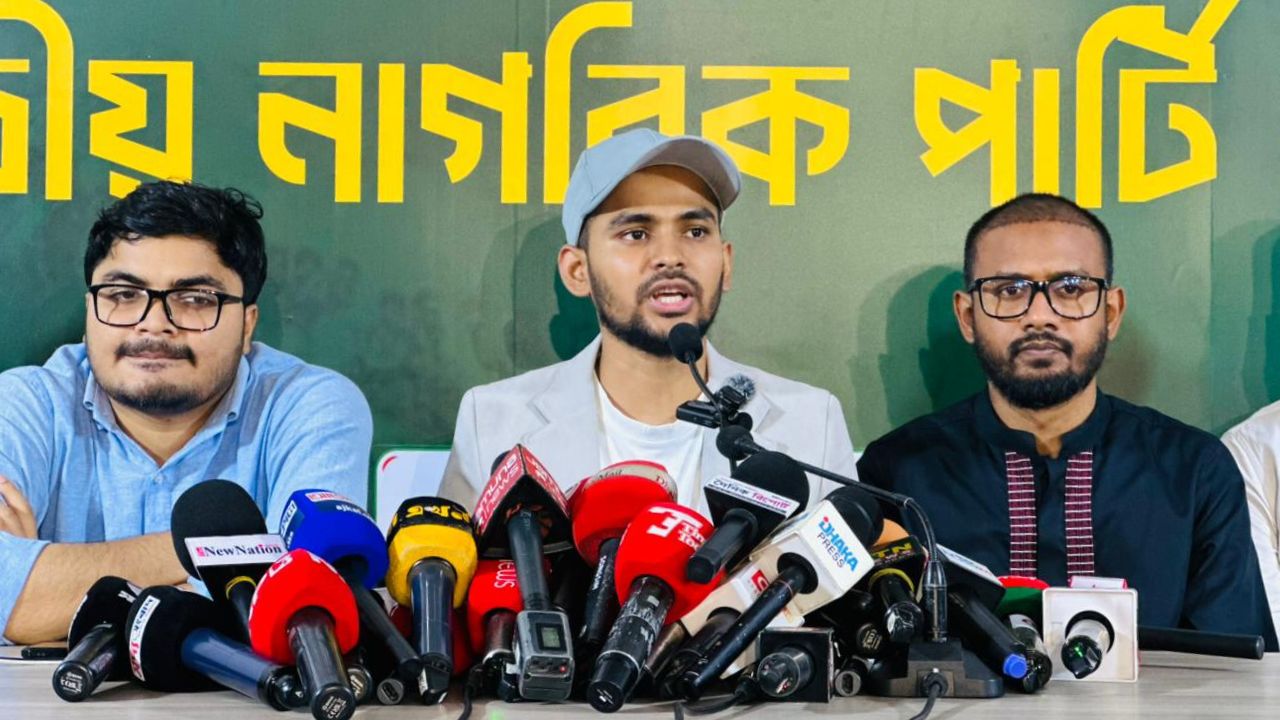
Opposition alliance leaders also claim that after retiring as an EC deputy secretary, Shamsul became active in BNP politics.
The opposition alleges that BNP has carried out “unprecedented” politicisation in key appointments despite promising to build a state based on public aspirations after the mass uprising. They say this contradicts the party’s election pledges and the spirit of the July movement.
Golam Parwar said, “The appointment of Shamsul Alam, a person from BNP, as additional secretary at Election Commission clearly shows that the government does not want a fair election. We have informed the chief election commissioner that Shamsul must be removed. We do not want an influenced election.”
He also criticised the appointment of party-affiliated individuals to various government offices, describing such moves as illegal.
In response, Ruhul Kabir Rizvi said BNP would implement the July Charter through discussions within the constitutional framework.
Regarding allegations of partisan appointments, he said the government had not violated any law.
However, he did not comment on whether opposition parties would boycott elections if Shamsul Alam remained at EC.
Alliance leaders also want Shamsul removed from EC before the local elections. NCP Member Secretary Akhter Hossen, a lawmaker from Rangpur-4, told TIMES, “By placing party people at EC, BNP wants to influence future elections. We want this appointment cancelled.”
Meanwhile, the Jamaat-led alliance is also questioning government transparency and accountability over allegations of irregularities and corruption involving some ministers. They have cited LGRD State Minister Mir Shahe Alam as an example.
Nationwide long march programmes
The opposition alliance is preparing to take a strong position on the streets alongside parliament.
The alliance’s programmes will begin on 5 September with demands including implementation of the referendum verdict, trial of killings during the July uprising, controlling prices of essentials, improving law and order and ending administrative politicisation.
On that day, the alliance will begin a Dhaka-Chattogram long march. It will hold long marches in four divisional cities throughout September and October before ending the programme with a grand rally in Dhaka on 14 November.
NCP to remain active in alliance and own programmes
Alongside actively participating in Jamaat-led alliance programmes, NCP will continue its own political activities.
The party is preparing to participate in the 5 September Dhaka-Chattogram long march and programmes in four divisional cities during September and October.
Akhter Hossen told TIMES, “Although BNP talked about reforms before the election, it is now moving in the opposite direction. There is no scope for compromise on reforms. We are part of the alliance programmes. At the same time, NCP has its own programmes and will continue them in the future.”
Regarding speculation that Jamaat may leave the alliance, Akhtar said, “There is currently no discussion in the party on this issue.”
Another senior NCP leader said, “At present, NCP has no plan to leave the Jamaat alliance. Rather, party leaders support strong joint programmes on reform issues.” He claimed that the government wanted NCP to leave the Jamaat alliance for political reasons.
Gas and power issues may add new dimension
Alongside demands for implementing the referendum verdict, trying July uprising killings, ending administrative politicisation and improving law and order, the Jamaat alliance is also highlighting gas and electricity shortages under the current government.
The opposition alliance sees the gas and power crisis as a major source of public hardship. It wants to use public dissatisfaction over industrial gas shortages, electricity supply disruptions and the impact of the energy crisis to strengthen support for its demands.
How allies became rivals
Although differences between BNP and Jamaat over state reforms emerged after the 2024 mass uprising, the divide became more visible after the 12 February election.
The two parties took opposing positions over implementation of the July National Charter and referendum outcomes. Tensions also intensified in parliament after BNP described the oath-taking of elected Jamaat and NCP representatives in the Constitutional Reform Council as unconstitutional.
Disputes also emerged over the decision to leave four ordinances issued during the interim government to parliament for cancellation and approval of 16 others. Opposition lawmakers boycotted parliamentary committee meetings in protest against moves to introduce new bills on some cancelled ordinances.
Tensions also erupted in parliament over the home minister’s remarks and committee formation, leading to heated exchanges and walkouts.
After forming an alliance in 1999 and working together for nearly 25 years, the BNP-Jamaat partnership developed cracks following the 2024 mass uprising. Since 2025, the two parties have moved on separate political paths.
In the latest election, BNP formed the government, while the Jamaat-NCP alliance became the opposition with 77 seats.