




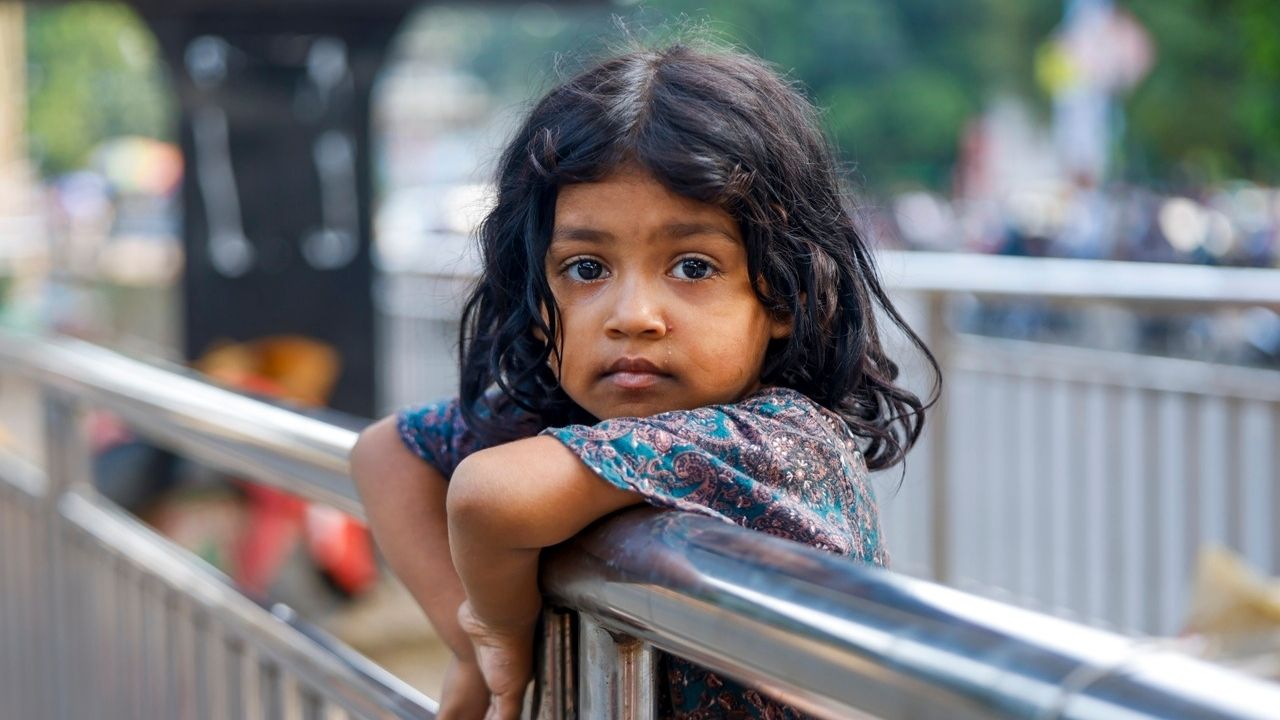
Every day, rain or shine, from morning till late into the evening, fifteen-year-old Asma sells gajra – flower wreaths – near the University of Dhaka. Stunted and thin, she looks much younger than the age she claims.
In a sultry afternoon last June, she said she has frequent dizziness, severe weakness, aching limbs and occasional fainting spells. If there is money to spare, she buys medicines following an old prescription from her visit to a government hospital three years ago.
Months after it was crushed in a metal-cutting machine at a roadside workshop in Gendaria, thirteen-year-old Ahmed still cannot fully move his right hand. He now roams the streets selling fruits and vegetables.
Khaleda collects recyclable waste and sells flowers at traffic signals in Mirpur 2, often working through fever, stomach pain and body aches. For the 16-year-old, managing menstruation is a problem and security is a major concern. “I never know what might happen at night,” she said.
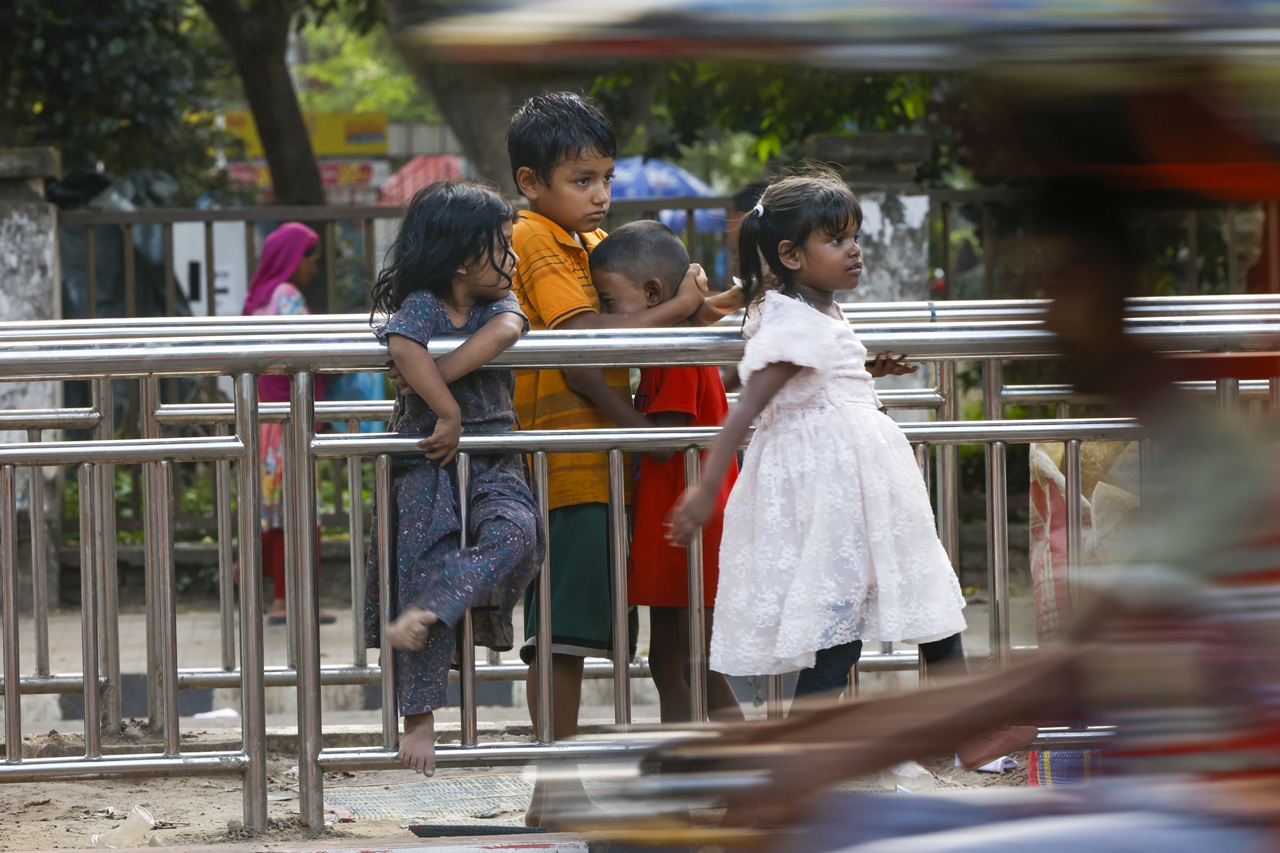
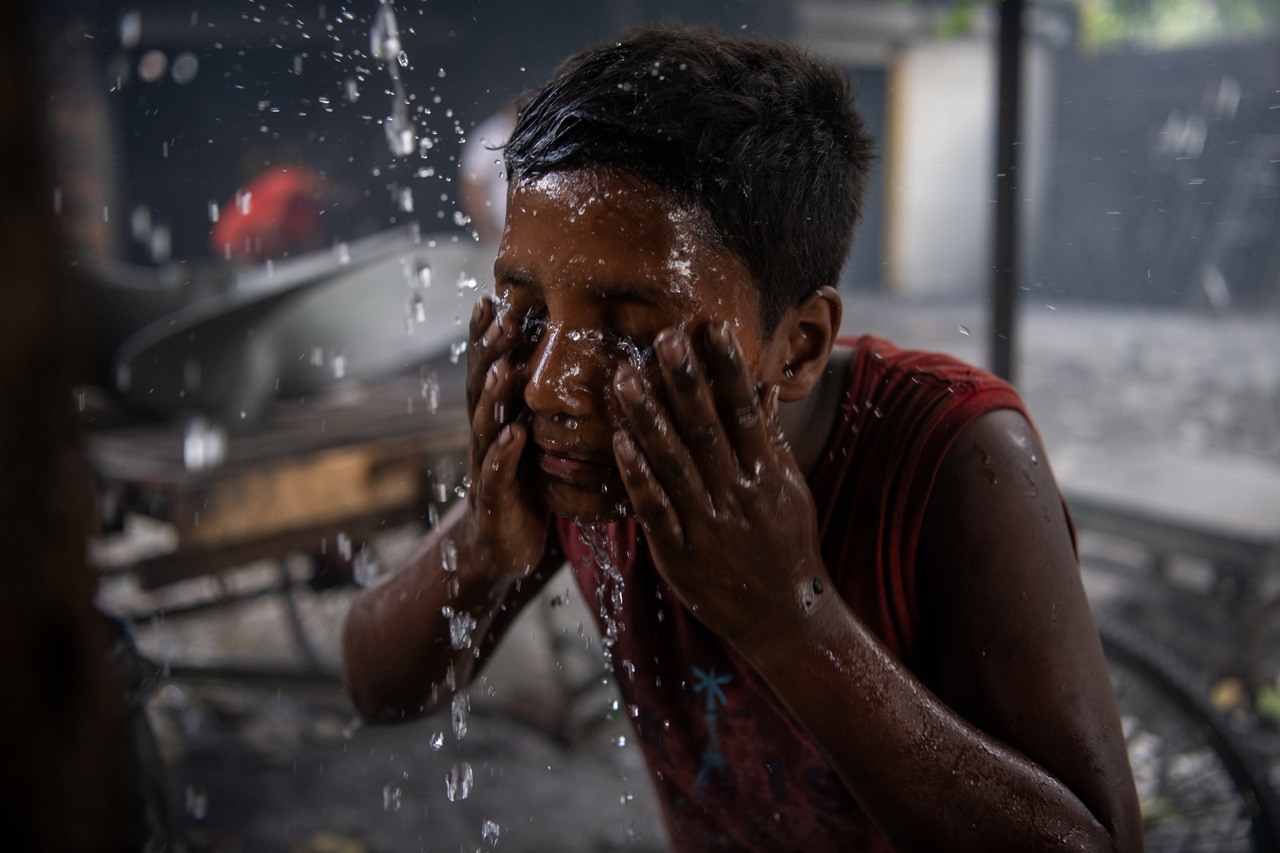
Their stories reflect the reality of millions of children living and working on streets, where poverty, hazardous work and limited healthcare leave illnesses untreated.
A 2024 UNICEF study estimated that 3.4 million children in Bangladesh live on the streets without parental care, facing health risks including injuries and illness.
The BBS Survey of Street Children 2022 found 53 percent had fallen ill in the previous three months, with cough (41 percent), headache (23 percent), waterborne diseases (19 percent) and fever (17 percent) among the most common illnesses.

The NGOs and the government have been running programmes to assist children with their lives revolve around the streets. Only one-fifth of the surveyed children knew about these. Even of this small group, more than one-fourth said they never received any such help.
Such children may have a night shelter in a slum or may sleep on the streets. Street-connected or street-living, street moulds their life and identity.
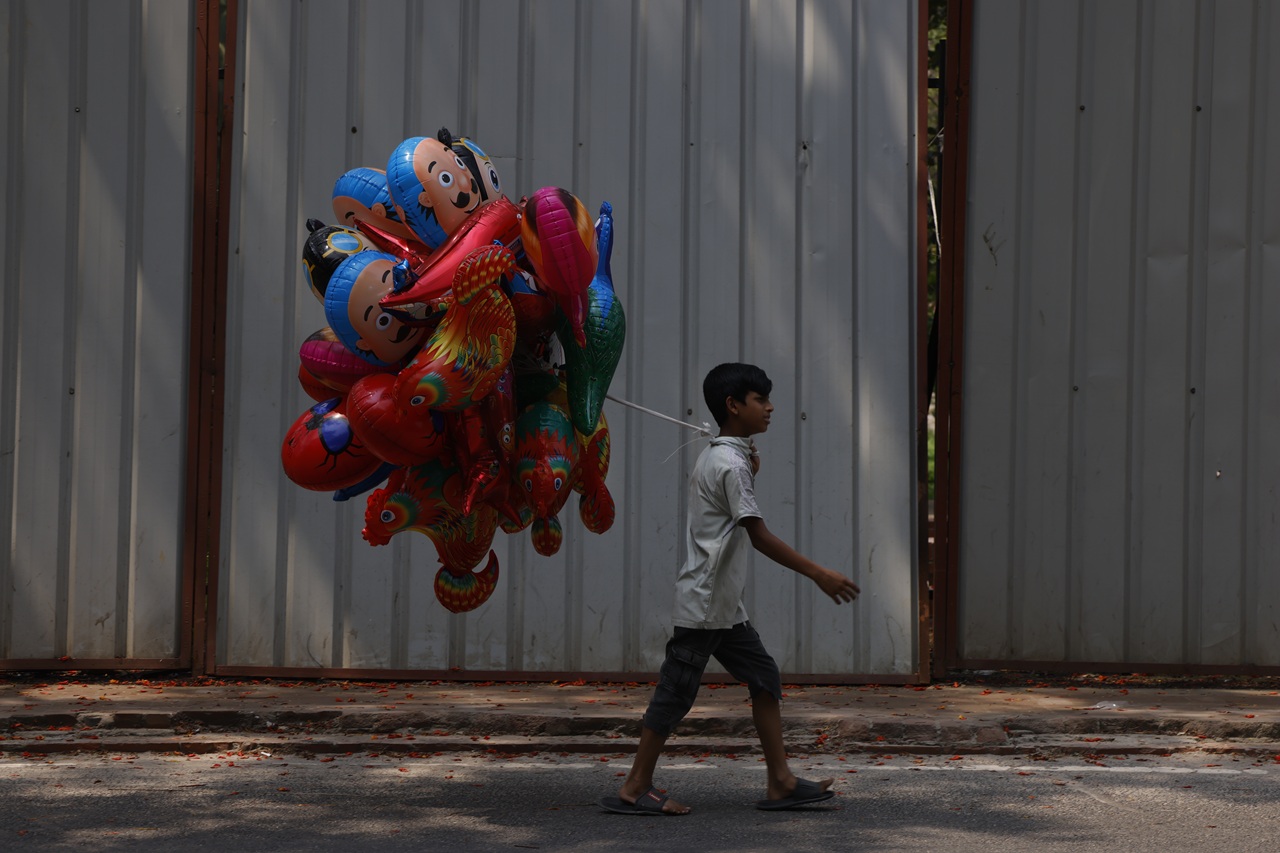
Most of them sell flowers, beg, collect recyclable waste, carry loads, hawk goods and do other odd jobs to sustain themselves or their families.
Between mid-April and late June, this correspondent repeatedly visited six Dhaka locations frequented by children living or working on the streets: Kamalapur Railway Station, University of Dhaka, Farmgate, Mirpur, Gabtoli Bus Terminal and Sayedabad Bus Terminal.
A total of 61 children aged 8 to 17 were interviewed, including 36 living or working with their families and 25 living independently or with other children. The correspondent also spoke with 37 parents or guardians.
The children said healthcare remains largely inaccessible and they had never received government healthcare services. Many seek treatment only when illnesses become severe.
Cost was identified as the biggest barrier, pushing many to rely on nearby pharmacies and informal drug sellers instead of qualified medical professionals. Missing work is also unaffordable.
An old prescription, recurring problems
At night, Asma, the gajra seller who lost both parents, returns to a Kamrangirchar squatter settlement where she lives with her elderly grandmother, whom she also supports. Earning just Tk 80 to Tk 100 a day, she cannot afford treatment or take a break from work.
“If I don’t work, I won’t be able to eat,” she told TIMES of Bangladesh.
Her only doctor visit was three years ago at Dhaka Medical College Hospital, where she was diagnosed with anaemia. She has had no follow-up care since. Dizziness, weakness, fainting and body pain have worsened, making it harder to walk for long hours.
“Often my head spins. My body hurts,” she said.
Unable to afford tests, consultations or regular medicine, she still relies on the old prescription whenever she can afford medicines. “I haven’t been back to the hospital since then,” Lamia said.
In serious cases, street children are often taken to government hospitals by family, friends or well-wishers, but many are left alone when their companions return to work.
Fifteen-year-old Hasan, who sells bread near Sayedabad bus terminal, was taken to a government hospital by a friend earlier this year after developing high fever and severe stomach pain.
“My friend had to leave for work, so I stayed alone in the hospital. I was scared because no one was there with me,” he told TIMES.
Hazards, injuries, violence
The BBS 2022 survey found that 31 percent of street children suffered work-related injuries, while half experienced workplace violence, highlighting the hazardous conditions they face.
Gendaria’s Ahmed shows how inaccessible treatment can turn a workplace injury into permanent disability. Like many street children, he began hazardous work early, cutting metal at a roadside workshop.
In January, his right hand was caught in a machine and crushed. People took him to a local pharmacy to stop the bleeding before an unknown man took him to a hospital. But unable to afford follow-up care, he went largely untreated for months.
“They bandaged my hand at the hospital, but I couldn’t afford any further treatment,” he told TIMES.
He has since lost grip in the hand and struggles to move it, forcing him to quit the workshop. He now sells cucumbers, berries and other seasonal produce. Ahmed spends most nights near a railway station with his rickshaw-puller father, while his own earnings have fallen.
“I cannot work like before, so I earn much less now,” he said.
Double risks for girls
A 2026 study, “Sexual and reproductive health challenges among street adolescents in Sylhet city, Bangladesh: A cross-sectional study,” found that 62 percent of participants had experienced abuse, including 85 percent of girls and 48 percent of boys. Girls were significantly more likely to face sexual and psychological abuse.
For 16-year-old Khaleda, living on the streets of Mirpur 2 means battling illness and insecurity. She collects recyclable waste and sells flowers and has spent nearly eight years on the streets, where fever, skin diseases and stomach illnesses are routine.
“If I rest, I don’t eat,” she told TIMES.
During menstruation, she often uses cloth instead of sanitary pads because she cannot afford them, while finding clean, private places to wash is another daily struggle. At night, she sleeps with a group of girls for protection.
“Boys can sleep almost anywhere, but girls constantly fear sexual violence and harassment. We are always afraid someone will touch us or drag us away,” she said.
Sexually transmitted diseases are also a concern among street children. An icddr,b study, “Inadequate health systems leave street children vulnerable to HIV/AIDS in Bangladesh,” found that 86.8 to 100 percent of sexually active street youth had never used condoms, while only 25 percent knew how HIV/STIs are transmitted.
Deputy Executive Director of Padakhep – an NGO working with street children – Dr Muhammad Risalat Siddique told TIMES that street children face high risks of STDs and HIV due to sexual abuse and risky behaviour.
“Drop-in centres provide basic care, but they lack the capacity for STD/HIV testing and treatment. Better laboratory facilities, trained staff, access to care and safe-sex awareness are urgently needed,” he said.
Help, rare and little
The Department of Social Services is implementing the second phase of its Child Sensitive Social Protection (CSPB) project, which has supported street-connected and vulnerable children for over two decades.
The project runs four tent-based hubs in Dhaka offering shelter, meals, counselling, mental health support and primary healthcare. Children needing specialised care are referred to government hospitals with social workers’ support.
Chowdhury Md. Mohaimen, manager of the Bangladesh Child Helpline and coordinator of the Quick Response programme, told TIMES that the hubs were introduced during the COVID-19 pandemic for emergency support.
However, he acknowledged that limited manpower and funding have slowed expansion, leaving children dependent on government hospital referrals.
Development workers say many street-connected children remain outside healthcare services. Local Education and Economic Development Organization (LEEDO) works with street children. Its Executive Director Forhad Hossain lack of guardians, documents, money and medical access often delays treatment, leaving illness, trauma and abuse unaddressed.
“Street children need mobile health camps, barrier-free hospital care, free medicines and vaccines, protection units, nutrition programmes, safe shelters, skills training and better protection for girls,” Hossain told TIMES.
Professor Md. Faruk Shah of the Department of Development Studies at the University of Dhaka has studied the situation. He criticised the limited scale of government and NGO initiatives for street children, saying existing services fall far short of what is needed.
“Government and NGO initiatives for street children are severely inadequate compared with their estimated population. The limited number of services cannot meet the needs of millions of children. The government must expand rehabilitation and support services, including healthcare and education for them,” he told TIMES.
Meanwhile, Gendaria’s Ahmed has a simple request—“When we get sick or injure our hands or legs, we want doctors and medical treatment from the government.”
Lives wasted and lost
For many street-connected children, delayed treatment, lack of caregivers and unaffordable medicines can turn preventable illnesses fatal.
At Kamalapur Railway Station, 17-year-old Mohammad Shihab recalls losing friends during nearly nine years there, some to fever and jaundice.
One was Md Arif, who lived without parents or relatives.
About two years ago, Arif’s eyes turned yellow, followed by weakness and loss of appetite. Shihab and friends Hamid and Alim took him to Mugda Medical College Hospital, where doctors diagnosed jaundice and prescribed medicine.
Arif stopped taking it after a few days because he could not afford it. As his condition worsened, he spent his final days sleeping on bricks beside the station.
“He stopped taking the medicine because he couldn’t afford it. He kept getting weaker every day. One morning we found him dead,” Shihab told TIMES.
For Shihab, Arif’s death remains a painful reminder of how poverty can determine access to healthcare, a reality still facing thousands of children living and working on Bangladesh’s streets.
Note: Children have been given pseudonyms to protect their best interest.


