


Hydrogen sulphide gas dissolved in water inside a ship’s tank has been identified as the likely cause of the deaths of 10 workers in the shipbreaking accident at Bhatiari in Sitakunda, Chattogram, according to the preliminary findings of an expert team.
The expert team, formed by the Ministry of Industries to determine the presence of toxic or hazardous substances inside the ship, has submitted its initial observations to the ministry.
However, officials said the actual cause of the accident and the exact nature and concentration of the toxic substance can only be confirmed after laboratory tests of samples collected from the ship.
The final investigation report will be prepared after the investigation committee receives the results of the chemical tests conducted by the technical team.
A K M Benjamin Riazi, additional secretary (policy, law and international cooperation) at the Ministry of Industries and head of the investigation committee, told TIMES of Bangladesh that members of both the investigation committee and the technical team inspected the accident site after the incident.

The technical team, comprising experts from Bangladesh University of Engineering and Technology (BUET) and other institutions, secured the ship and collected water and chemical samples from inside the tank. The team submitted its initial observations on Wednesday.
Riazi said it was not possible to determine the presence or nature of toxic chemicals inside the ship through visual inspection or conventional methods.
“Because of the risk involved, the expert team members entered the tank wearing breathing apparatus and collected water and chemical samples. The samples have been sent to designated laboratories, including BUET, for testing,” he said.




Asked when the test results would be available, Riazi said the process was highly technical and sensitive and required several procedures.
“These chemical tests are very technical and sensitive. They have to go through certain processes. So, it is not possible to give a specific date. However, we want to get the results as quickly as possible,” he said.
The investigation committee had been given one week to submit its report. However, Riazi said the final report could take another one or two days if necessary because the committee was waiting for the technical test results.
“We may need one or two additional days beyond the stipulated timeframe while waiting for the technical test report. We hope to submit the final report as soon as possible,” he said.
He stressed that the final cause of the accident could not yet be established conclusively.
“Only after receiving the complete results of the technical tests will it be possible to determine the actual cause of the accident and confirm the presence and nature of the toxic gas inside the ship,” he said.
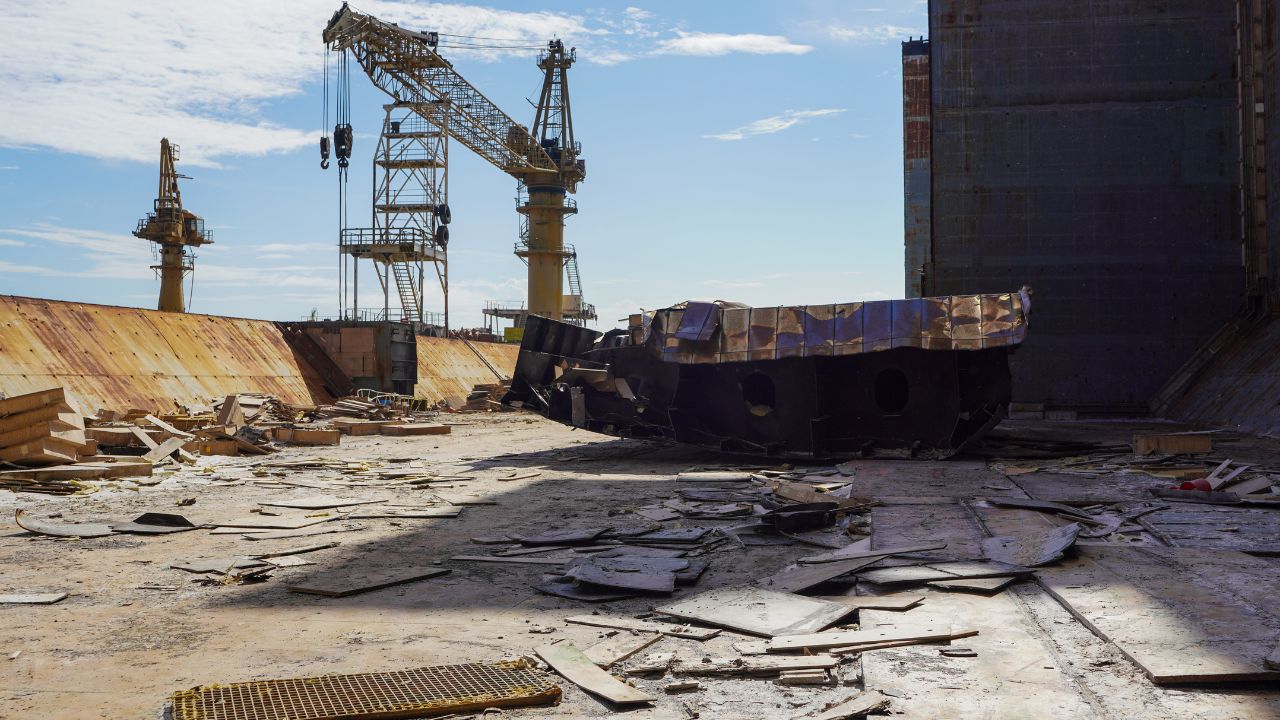
The accident occurred on 14 August at Ferdous Steel Ship Recycling Industries in Bhatiari, Sitakunda, while workers were cutting and scrapping the old LNG carrier MT Rasi.
Nine workers died initially after falling ill while working inside a tank of the vessel. Another worker, Idris Ali, 50, later died while undergoing treatment at a hospital, bringing the death toll to 10.
Professor Md Yasir Arafat Khan of Department of Chemical Engineering at BUET, who heads the expert team, said their preliminary inspection found evidence of hydrogen sulphide at the accident site.
“Our initial investigation found the presence of hydrogen sulphide at the site. Gas is no longer present in the air. However, we found evidence that it had dissolved in the water,” he told reporters.
According to Professor Yasir, the team’s initial assessment is that hydrogen sulphide was released when water inside the tank was discharged, exposing the workers to toxic gas.
The expert team’s findings, however, remain preliminary until the laboratory analysis of the collected samples is completed.