A deepening energy crisis has pushed production costs in Bangladesh’s readymade garment (RMG) sector up by at least 20 per cent, industry leaders said at a press conference in Dhaka on Saturday.
The concerns emerged ahead of the Bangladesh International Textile Knitting and Garment Industry Exhibition 2026, set to begin on 29 April at the International Convention City Bashundhara and continue till 2 May.
The event will be jointly organised by the Bangladesh Knitwear Manufacturers and Exporters Association (BKMEA) and Inforchain Digital Technology Co Ltd, with over 1,000 exhibitors from around 30 countries expected to participate.
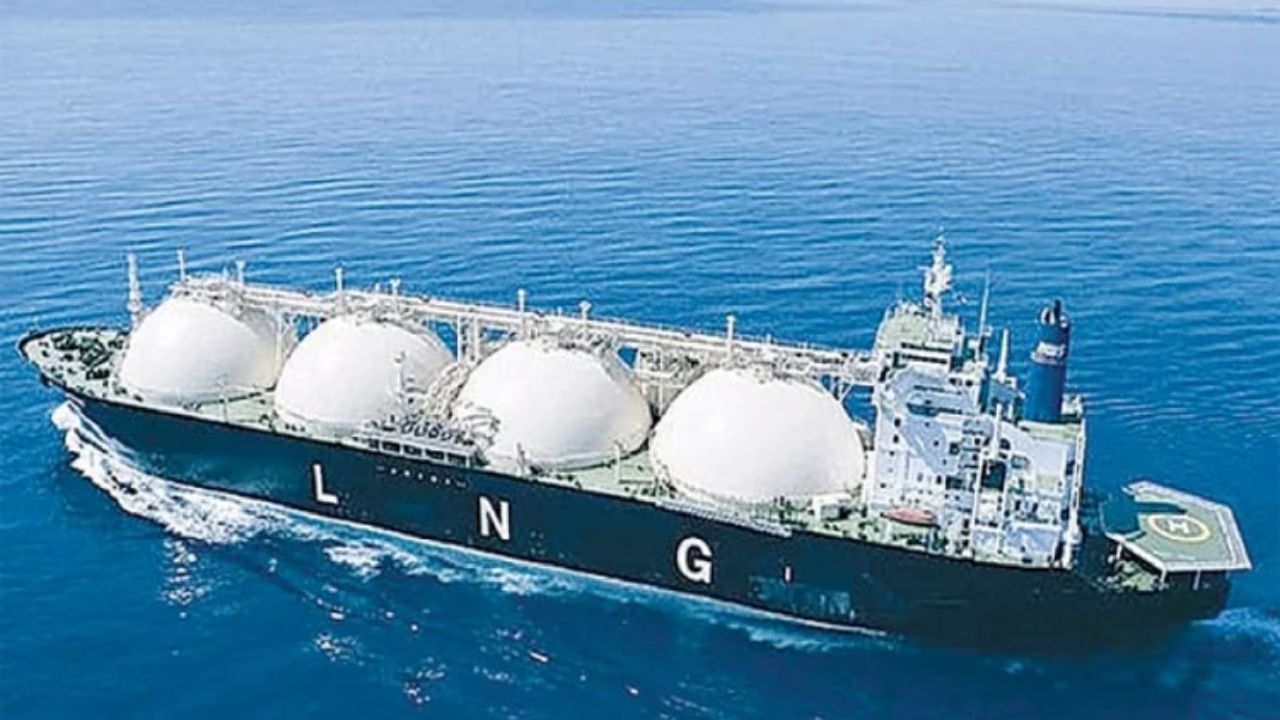
Describing the situation as “severely challenging,” BKMEA President Mohammad Hatem said persistent load shedding, rising fuel prices and financial sector bottlenecks are disrupting factory operations. Despite official assurances, industrial users continue to face difficulties in securing diesel and other fuels.

He said restrictions on supplying fuel in containers have worsened the situation for generator-dependent factories, as transporting generators to filling stations is not practical.
Power outages now average two to three hours a day in industrial zones and can extend to six to eight hours in some areas, derailing production schedules and delaying shipments. To meet deadlines, manufacturers are increasingly turning to costly air freight while also facing penalties from buyers.



Hatem said rising fuel and transport costs, coupled with power disruptions and supply chain constraints, have driven up production costs, but exporters cannot pass on the increase due to fixed global contract prices. At the same time, international buyers are reducing new orders, adding to the pressure.
Delays in payment settlements have further complicated the situation, with shipments postponed by up to two months in some cases, resulting in cancellations or partial payments. Challenges such as delays in opening letters of credit, limited access to finance and slow document processing continue to hinder import and export activities.
BKMEA Executive President Fazlee Shamim Ehsan said fuel cards have been introduced, but supply remains uneven across regions. He also pointed to weaker consumer demand in key markets such as Europe and rising energy costs globally, which are affecting apparel exporters, including Bangladesh.
Factories are now operating at only 50 to 60 per cent of their installed capacity, industry leaders said. They warned that without urgent improvements in energy supply, banking efficiency and customs procedures, the country risks losing its competitiveness in the global apparel market.
The exhibition aims to introduce local entrepreneurs to modern technologies. Companies from Bangladesh and countries including Canada, China, Taiwan, Belgium, France, Hong Kong, India, Indonesia, Japan, Vietnam, Malaysia, Turkey and the United Arab Emirates will take part.
The showcase will feature textile machinery, dyes and chemicals, knitting and weaving technologies, along with equipment for embroidery, cutting, sewing, washing and dry-cleaning.