



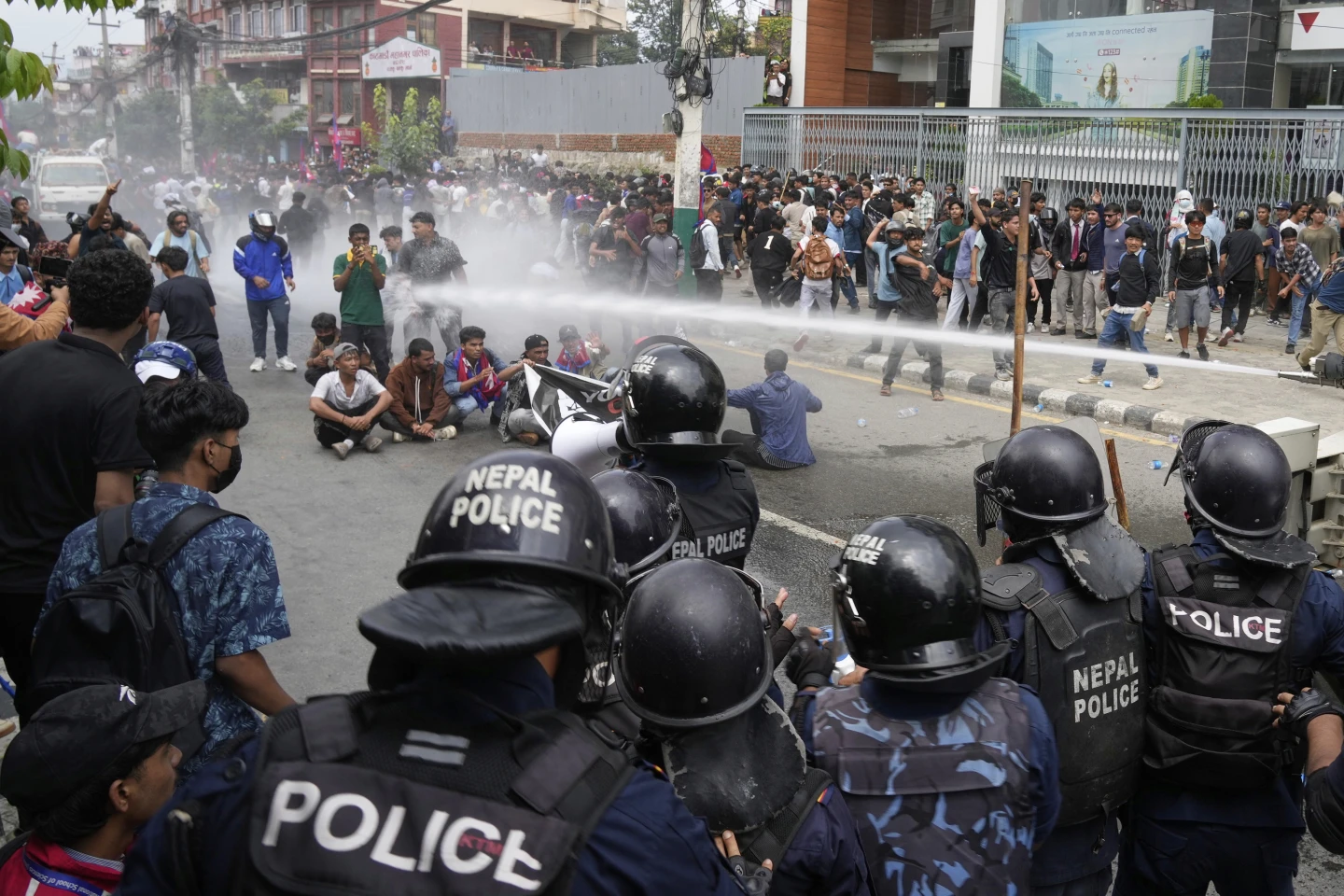
At least 19 people, including a 12-year-old child, were killed and over 100 others injured in violent clashes during protests in Kathmandu, Nepal.
The demonstrations, led by Generation Z protesters, were sparked by the government’s ban on several social media platforms and widespread corruption.
The army was deployed in the Nepali capital after protesters breached curfew restrictions and entered restricted zones near Parliament, according to NDTV. Amid the unrest, sources indicate the government may soon lift the ban on social media platforms.
Police used water cannons, teargas, and rubber bullets to control the crowds after demonstrators threw tree branches, water bottles, and shouted anti-government slogans. Some protesters even managed to breach the Parliament compound, escalating the situation, The Kathmandu Post reports.
In response, the Kathmandu District Administration Office extended the curfew initially imposed in Baneshwar.
The new curfew restrictions now cover several high-security areas, including the President’s residence at Shital Niwas, the Vice-President’s residence in Lainchaur, Maharajgunj, Singha Durbar, and the Prime Minister’s residence in Baluwatar, along with surrounding areas.
Chief District Officer Chhabilal Rijal confirmed the curfew will be enforced from 12:30 PM to 10:00 PM (local time), prohibiting public movement, gatherings, protests, or encirclement activities within these zones.
At least two people were injured by rubber bullets during the clashes. Shyam Shrestha, a journalist from Kantipur Television, was struck by a rubber bullet while covering the protests in Baneshwar and is receiving treatment at Civil Hospital.
In Damak, the hometown of Prime Minister KP Sharma Oli, another person was injured during violent protests.
Protests spread to other areas, including Pokhara, where local authorities imposed a curfew after demonstrators damaged the Chief Minister’s office. Prime Minister KP Sharma Oli has called for an emergency cabinet meeting to address the growing unrest.
Why are people protesting?
The protests were triggered by the Nepal government’s ban on several popular social media platforms, including Facebook, YouTube, and X, which has left millions of users in Nepal without access to these sites since Friday.
The government blocked 26 unregistered platforms, leaving users frustrated and angry. Popular platforms such as Instagram and Snapchat, which millions of Nepali users rely on for entertainment, news, and business, were among those blocked.
The ban sparked outrage, particularly among the youth, who accuse the government of suppressing free expression while failing to address rampant corruption.
On Monday, thousands of Gen Z demonstrators marched through Kathmandu, demanding the government lift the social media ban and tackle the widespread corruption plaguing the country.
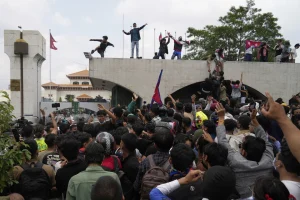
Student Yujan Rajbhandari, 24, told AFP, “We were triggered by the social media ban, but that is not the only reason we are here. We are protesting against corruption that has been institutionalized in Nepal.”
Another student, Ikshama Tumrok, 20, said, “We are protesting against the authoritarian attitude of the government. We want to see change. Others have endured this, but it has to end with our generation.”
Since the ban, videos highlighting the stark contrast between the struggles of ordinary Nepalis and the lavish lifestyles of politicians’ children have gone viral on TikTok, which remains operational.
“There have been movements abroad against corruption, and they (the government) are afraid that might happen here as well,” said protester Bhumika Bharati.
Why were the apps banned?
The government’s decision to block social media platforms came after a cabinet ruling last month, which gave companies seven days to register in Nepal, establish a contact point, and designate a grievance handling officer and compliance officer.
This followed a Supreme Court order issued in September of the previous year.
In a statement on Sunday, the government reiterated its respect for freedom of thought and expression, asserting its commitment to “creating an environment for their protection and unfettered use.”
Nepal has a history of restricting access to online platforms, including blocking the Telegram messaging app in July due to concerns over online fraud and money laundering. The government also lifted a nine-month ban on TikTok in August 2024 after the platform agreed to comply with Nepali regulations.


