Biswajit Mitra was diagnosed with diabetes at the age of 38. He does not yet need insulin but spends more than Tk15,000 a month on medication, dietary management, medical consultations and tests. He has also bought a glucometer and test strips to monitor his blood glucose levels regularly.
Mitra said his doctor had linked his diabetes and other illnesses at a relatively young age to his irregular lifestyle during his student years. He used to stay up late studying, eat whatever he wanted and live with various worries, paying little attention to these habits.
“I used to think I was young and healthy, so there was nothing to worry about. But now I realise those were mistakes I made in my youth. I have to plan everything carefully, following my doctor’s advice,” he told TIMES.
Mitra’s experience illustrates the long-term financial burden of diabetes treatment in Bangladesh. Keeping the disease under control requires regular medication, tests and medical consultations. Even patients who do not need insulin face substantial costs, which can rise several times over when complications develop.
Afsar Ahmed, associate professor of endocrinology at Bangladesh Medical University, told TIMES: “Access to HbA1c tests, blood glucose monitoring strips and insulin is not equal everywhere. Patients have to bear a large share of treatment costs themselves.”
In people with type 1 diabetes, the pancreas does not produce insulin. They therefore need regular insulin treatment, making their care more expensive.
Most oral medicines and regular insulin used to treat diabetes are manufactured in Bangladesh.
A standard 40 IU insulin vial costs Tk170–195. A 10ml vial of domestically produced 100 IU insulin costs Tk373–415, while imported brands can cost up to Tk1,000.

A 3ml cartridge of domestically produced human insulin costs Tk200–222, compared with Tk421–845 for imported products. Long-acting insulin pens cost Tk962–1,550.
Around 13.9 million people in Bangladesh are living with diabetes. The disease affects 12 out of every 100 adults. In terms of the proportion of the population affected, Bangladesh ranks eighth in the world.
Despite the large number of patients, access to specialist doctors, public healthcare facilities and essential diagnostic tests remains limited.
Medicines and insulin account for the largest share of treatment costs, taking up around 60 to 75 per cent of total expenditure, according to various cost analyses. Patients also pay for blood glucose and HbA1c tests, kidney and eye examinations, doctors’ fees and travel to hospitals.
A study published in BMC Public Health in 2026 put the average monthly treatment cost for a person with diabetes in Bangladesh at Tk2,043–2,064. Expenses are higher for patients receiving treatment in urban areas and specialised hospitals.


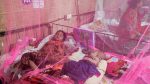
Data from the Bangladesh Institute of Health Sciences (BIHS) show that the average monthly expenditure for an urban patient can reach around Tk4,083.
Various studies have estimated the country’s annual expenditure on diabetes treatment at around Tk12,000 crore.
Costs vary depending on a patient’s age, type of diabetes, treatment method, income and complications. They can rise up to fourfold when kidney disease, heart disease, eye problems or diabetic foot develop.
Diabetes was once considered primarily a disease of middle-aged and older people. But the spread of type 2 diabetes among young people has become a growing concern.
SM Ashikuzzaman, president of the Jashore Diabetic Association, told TIMES, “The lifestyles of young people today increase their risk of developing diabetes. If awareness is not raised, a large proportion of the country’s workforce will see their working capacity decline.”
A study titled “Early-Onset Type 2 Diabetes in Bangladesh: National Estimates and Risk Correlates” found that 4.5 per cent of people aged 10 to 34 had type 2 diabetes, while another 18.4 per cent had pre-diabetes.
Among those in this age group with diabetes, 66.3 per cent were previously unaware of their condition.
The prevalence is higher in urban areas, where the rate of type 2 diabetes is 6 per cent, compared with 3.2 per cent in rural areas.
People who do not get enough physical activity face twice the risk of developing diabetes. Excess abdominal fat also doubles the risk, while high blood pressure increases it 3.3-fold and elevated triglyceride levels raise it 2.9-fold.
Another study, titled “Awareness, Treatment, and Control of Diabetes in Bangladesh: Evidence from the Bangladesh Demographic and Health Survey”, found that only 30.9 per cent of people with diabetes were aware of their condition. Of them, 28.2 per cent were receiving treatment.

Educational qualifications and financial status are also linked to disease awareness and access to treatment. People with less education are comparatively less likely to know they have the disease or seek care.
Shahjada Selim, one of Bangladesh’s leading endocrinologists, said, “Healthy lifestyle habits must be developed from childhood to prevent non-communicable diseases, including diabetes. Age-appropriate health education should therefore be introduced from primary school through to university.”
He called for reducing the availability of sugary drinks and unhealthy food in school canteens, ensuring regular sports and physical activities, and encouraging families to adopt healthy eating habits.
Research has found that diabetes control is comparatively poor in Rajshahi and Rangpur divisions. Unequal access to healthcare, financial constraints and difficulties in obtaining regular treatment are among the main reasons.
The shortage of specialists is another major concern. Bangladesh has only around 400 endocrinologists for nearly 14 million diabetes patients – one specialist for every 34,750 patients.
Most advanced diabetes treatment centres and hospitals are in Dhaka and other major cities. Government healthcare facilities at upazila and union levels lack adequate services for disease detection and regular follow-up, as well as sufficient supplies of free insulin and essential medicines.
Managing diabetes requires more than medication. Treatment plans need regular adjustment based on a patient’s physical condition, blood glucose levels, and kidney and heart health. However, the shortage of specialists and the concentration of healthcare services in cities leave patients in remote areas without regular care.
Afsar told TIMES, “Many patients are unable to keep their diabetes under control despite taking medicines regularly. Three factors are responsible: patients’ irregularities, delays in doctors’ decisions and limitations in the healthcare system.”
He said many patients stopped taking medicines when they had no symptoms, failed to control their diets or monitor their blood glucose levels regularly, or were afraid of insulin.
Doctors, meanwhile, often fail to adjust medication doses or start insulin therapy in time, even when patients do not reach their prescribed treatment targets.