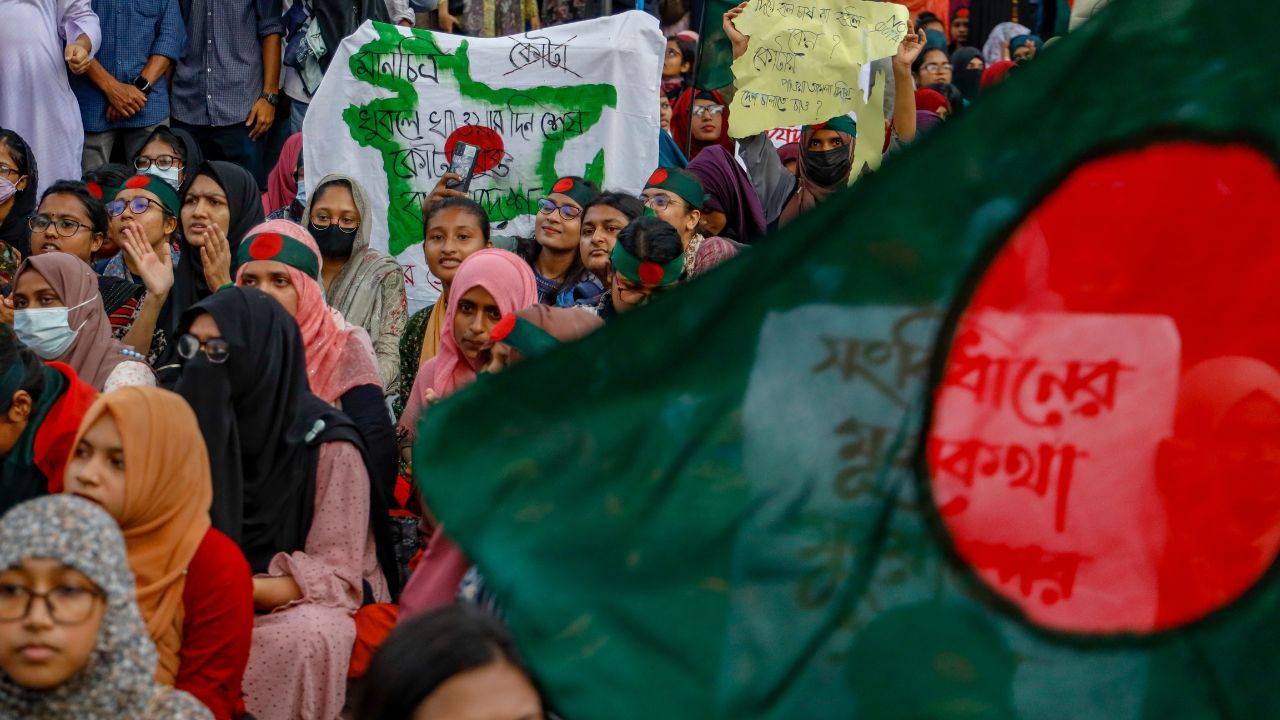
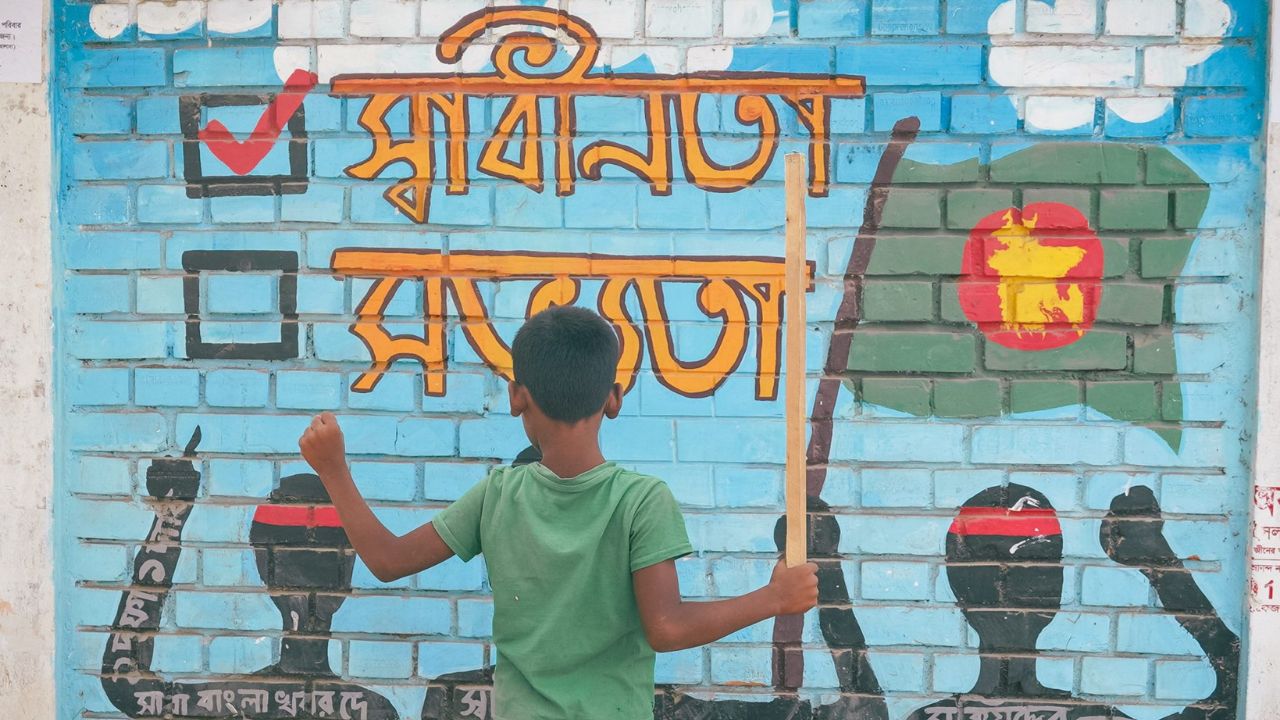
The July National Charter has been finalised by proposing “equality, human dignity, social justice, and religious freedom and harmony” as the constitutional principles to govern the state.
Among the key proposals are the establishment of a bicameral parliament and the election of the president by secret vote in both the upper and lower houses, as well as the clarification of the president’s powers and responsibilities.
Additionally, the charter suggests a limit of 10 years for an individual to hold the office of prime minister.
Following the fall of the Awami League government in the mass uprising of August last year, the interim government assumed office and initiated reforms in various sectors of the state. In the first phase, six reform commissions were set up to propose reforms, which were then discussed with political parties by the National Consensus Commission.

In the first phase, the commission held discussions with 33 political parties, and in the second phase, with 30 parties. During these two rounds of talks, from February to July, 84 reform proposals were agreed upon, and decisions were made. These proposals are now incorporated into the July Charter.
The 84 points of state reform in the July Charter are classified by the Consensus Commission into 47 points that require constitutional amendments and 37 points that can be reformed through laws, ordinances, regulations, and executive orders.
At the last moment, after objections from four left-wing parties, including the Communist Party of Bangladesh (CPB), some changes were made to the July Charter. As a result, the Declaration of Independence will not be removed from the Constitution.




The charter includes several key proposals aimed at reshaping the political and judicial landscape of Bangladesh. Notably, the charter proposes that the prime minister cannot hold the position of party leader simultaneously. Additionally, it outlines the formation of an upper house, specifying the method of selecting members, their powers, roles, qualifications, and disqualifications.
Another significant proposal calls for 100 women representatives in the National Parliament, as well as the selection of the deputy speaker and chairperson of Parliamentary Standing Committees from the opposition parties.
The charter also presents specific recommendations regarding the structure, functions, and tenure of the Caretaker Government system.
In the judicial reform section, the proposal suggests the appointment of the Chief Justice based on seniority from among the judges of the Appellate Division. It further calls for the establishment of an Independent Judicial Appointment Commission for the recruitment of judges to the Supreme Court.
The July Charter honours the democratic movements after 2009 and the martyrs of the 2024 people’s uprising, declaring it a historic commemoration in recognition of those who participated in these movements.
It states that, based on democratic values and national consensus, a commitment has been made for the full implementation of the charter, reflecting the will of the people as expressed in the 2024 people’s uprising.
The document further outlines that the charter will be properly integrated into the constitution, with legal and constitutional safeguards to ensure its implementation. The state will recognise the significance of the 16 years of democratic struggle and the 2024 uprising. Accountability for the victims of enforced disappearances, killings, and torture will be pursued, while martyrs will be given state honours, and injured individuals will receive medical treatment and rehabilitation.
Additionally, the charter specifies that necessary amendments or new laws will be enacted to reform the Constitution, elections, judiciary, administration, police, and anti-corruption systems, with immediate actions taken to implement feasible recommendations.