Bangladesh has entered a new policy cycle following the 2026 national election. For the private sector and investors, the central question is not political alignment but whether the post-election environment will materially improve conditions for capital deployment. An investment outlook is about risk, predictability and returns. In Bangladesh’s case, that means assessing whether reforms can reduce operational friction, strengthen financial intermediation and unlock scalable opportunities across priority sectors.
Assessments by the World Bank Group (WBG), International Finance Corporation (IFC), Asian Development Bank (ADB) and the United Nations development framework broadly align on the reforms needed to sustain private-sector-led growth. The roadmap is well known. What will determine outcomes is execution and how quickly policy intent translates into predictable rules, functioning systems and bankable pipelines.
Despite differences in mandate, multilateral development bank and UN frameworks converge around core priorities for private sector expansion: diversifying and upgrading manufacturing value chains, improving trade and transport efficiency, expanding access to finance for SMEs and housing, strengthening institutional capacity and regulatory predictability, and embedding climate resilience into investment decisions. For investors, this convergence provides a stable baseline. The issue is no longer what to do, but how consistently reforms are delivered in the post-election phase. Against this backdrop, three sectors stand out as immediate investment barometers, supported by two cross-cutting enablers shaping economy-wide efficiency.
Manufacturing value chains: competitiveness under pressure
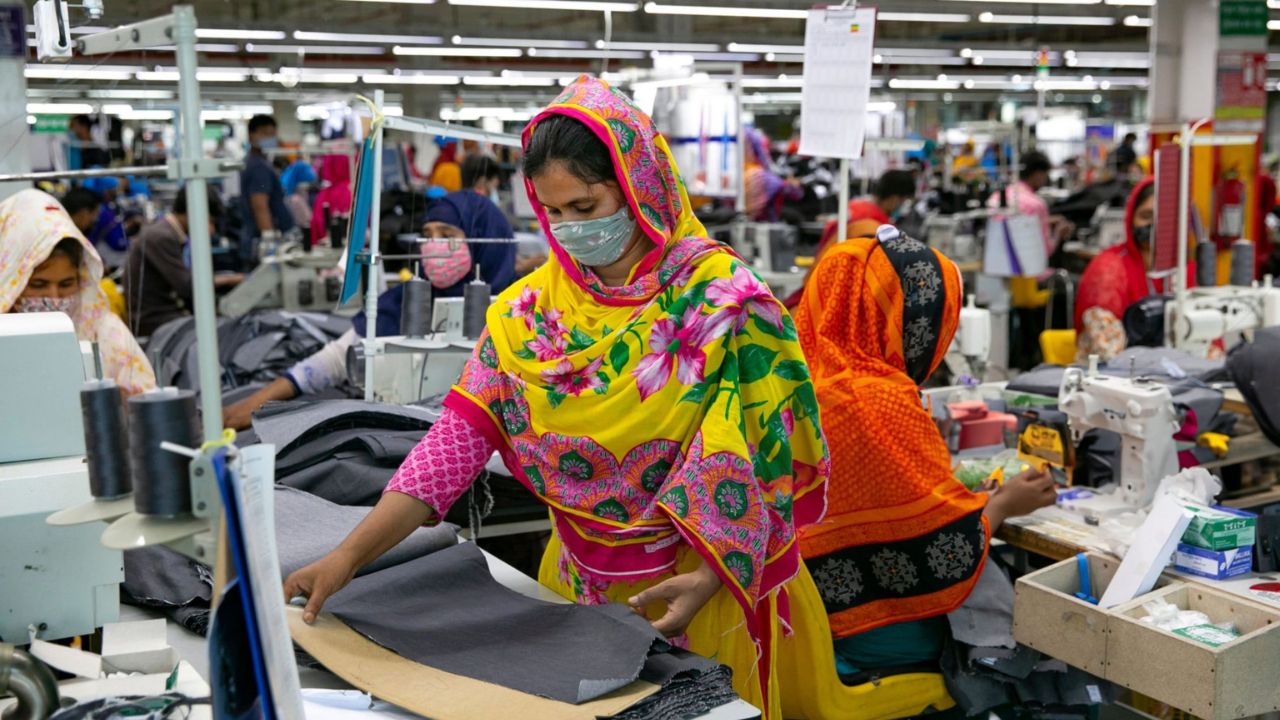
Manufacturing, particularly ready-made garments, remains the backbone of Bangladesh’s export economy. Future growth, however, is unlikely to come from volume expansion alone and will depend on sustained gains in competitiveness. Key determinants include energy reliability, logistics efficiency, predictable customs processes, compliance with environmental and labour standards, and upgrading towards higher-value segments such as man-made fibres and technical textiles.
IFC diagnostics indicate Bangladesh retains strong export potential, but scaling it requires reducing regulatory uncertainty and strengthening public-sector delivery. Even modest inefficiencies such as licensing delays, inconsistent inspections and port congestion compound into material cost disadvantages. Policy discussions since the election have emphasised industrial expansion and improved business support. Investors will look for tangible outcomes in faster approvals, stable industrial utilities and smoother trade facilitation, which will directly influence reinvestment and foreign direct investment decisions.

Housing: unlocking the “missing middle”
Rapid urbanisation continues to generate strong housing demand, yet private supply remains concentrated in high-end segments while public initiatives focus largely on low-income housing, creating a persistent missing middle gap.
IFC analysis identifies this segment as commercially viable if land and housing finance constraints are addressed. Bottlenecks include fragmented land administration, slow registration, limited long-term mortgage liquidity, weak foreclosure mechanisms and informal income documentation. These frictions push developers towards premium segments and constrain scale. Policy discussions have referenced affordable housing and structured urban development. The test will be whether land mobilisation, housing finance reform and secondary-city planning translate into workable PPP or private-led models. If so, housing could become one of the most scalable domestic investment segments over the next decade.




Digital financial services: moving beyond wallets
Bangladesh has achieved strong mobile money penetration, but digital financial services remain concentrated in cash-in and cash-out and peer-to-peer transfers, while merchant payments, SME credit integration and embedded finance remain underdeveloped.
IFC analysis underscores that scaling digital finance requires interoperability across platforms, stronger credit information systems, regulatory clarity for fintech innovation and wider merchant-level digital adoption. Policy signals point towards expanding digital payments and modernising financial infrastructure. If paired with regulatory modernisation such as open banking frameworks and improved data-sharing, the sector could attract meaningful private capital. The opportunity extends beyond payments into digital lending, SME finance and cross-border transaction efficiency.
Transportation and banking: reducing operational friction
Beyond individual sectors, two cross-cutting enablers will significantly influence private sector performance: inter-city transportation connectivity and banking system effectiveness. Improved links between Dhaka and secondary cities can reduce logistics costs, expand labour markets and support more geographically balanced investment. Weak connectivity raises operating costs, constrains housing outside major urban centres and limits service and e-commerce scalability. The issue for investors is delivery quality, maintenance, tariff transparency and credible public–private risk sharing.
Equally critical is banking performance. While digital financial services improve access and transaction efficiency, private investment depends on reliable credit, trade finance and long-term funding. Multilateral diagnostics consistently identify governance challenges, non-performing loans and limited capital-market depth as constraints. Strengthening supervision, credit discipline and financial intermediation would directly support manufacturing, housing finance and SME growth. Confidence in the banking system remains a clear signal of overall economic stability.
Climate resilience as a competitiveness issue
Across multilateral analyses, climate resilience is framed not as an environmental obligation but as an economic necessity. Energy efficiency in manufacturing, resilient infrastructure and sustainable urban development are increasingly prerequisites for export competitiveness and investor confidence. Bangladesh’s long-term climate and delta strategies set a clear direction. The challenge is structuring projects that crowd in private capital rather than rely solely on public financing. Manufacturing, housing, transport and digital infrastructure all intersect with climate adaptation, making resilience an embedded investment theme.
What investors should monitor
Over the next 12 months, investors should watch macroeconomic and exchange-rate consistency, improvements in licensing and trade facilitation, financial-sector governance reforms that strengthen credit discipline, progress in industrial energy and transport reliability, and regulatory clarity in banking, fintech and digital finance. If these signals materialise, investor confidence will strengthen. If implementation falters or policy direction shifts, risk premiums will remain elevated.
Bangladesh’s post-election investment outlook in 2026 is not predetermined. The strategic direction for private-sector-led growth is clearly articulated. What matters now is implementation credibility and consistency. For investors and business leaders, the next phase will be defined by whether reform commitments translate into predictable rules, functioning institutions and scalable opportunities. That more than political headlines will shape capital allocation decisions in the period ahead.
The Author is an international development professional with over 18 years of experience advising donor-funded programmes across more than 25 countries, including Bangladesh.